
Diaper cream
Best Safe & Organic Diaper Creams in India 2026 | Toxin-Free
In short: the right diaper cream depends on how bad the rash is. For everyday prevention, a light zinc oxide cream (5–10%) is enough. For a mild rash, look for 10–15% zinc oxide plus a soothing ingredient like panthenol or allantoin. For a severe or broken-skin rash, a high-zinc paste (15–40%) is needed, and this should only be used on your doctor's advice. Whatever the tier, choose a fragrance-free formula.
Diaper rash is one of the most common skin problems in babies, often caused by prolonged exposure to moisture, friction, or irritating chemicals in diapers and wipes. The right diaper rash cream can soothe irritation, protect delicate skin, and prevent future rashes. But with so many options on the market, how do you pick the safest and most effective one for your baby?
For more details on management and prevention, click: Diaper Rash: Dermatologist Guide
How to Choose a Diaper Rash Cream
As a dermatologist, I recommend parents match the cream to the rash, not the other way around:
1. Match the zinc oxide percentage to the rash. Prevention needs only 5–10%. A mild rash (redness, small bumps) needs 10–15%, plus a soothing ingredient like panthenol, allantoin, or aloe. A severe rash (raw or broken skin) needs 15–40%, and should be used only under your doctor's guidance.
2. Fragrance-free, and ideally free from phenoxyethanol. The diaper area is already irritated by moisture and friction, so unnecessary additives are more likely to sting.
3. Avoid essential or herbal oils on broken skin. "Natural" does not mean risk-free once the skin barrier is broken. A botanical extract can still irritate raw skin.
Types of Diaper rash cream
1. Prevention Creams
Use: Every day to stop rashes before they start.
Ingredients: Petrolatum, mineral oil, lanolin, light zinc oxide (5-10%%).
Texture: Thinner, easy to spread.
Best For: Daily protection, especially at night or when diapers are worn longer.
2. Mild Rash Creams
Use: When you see early signs like redness, irritation, or small bumps.
Ingredients: Zinc oxide (10-15 %), plus soothing agents like panthenol, allantoin, aloe, or chamomile.
Texture: Medium thickness; still spreads fairly easily.
Best For: Treating and calming mild diaper rashes.
3. Severe Rash Creams
Use: When rash is more intense—red, raw, or with broken skin.
Ingredients: High zinc oxide (15–40%), thick occlusive bases like petrolatum or waxes.
Texture: Thick paste; harder to wipe off, but offers maximum protection.
Best For: Moderate-to-severe diaper rash to be used only if the doctor recommends them.
Watch instead
BEST AND SAFE DIAPER RASH CREAMS
Dr Surbhi walks through the same picks on camera — useful if you'd rather be told than read.
▶ Watch on YouTube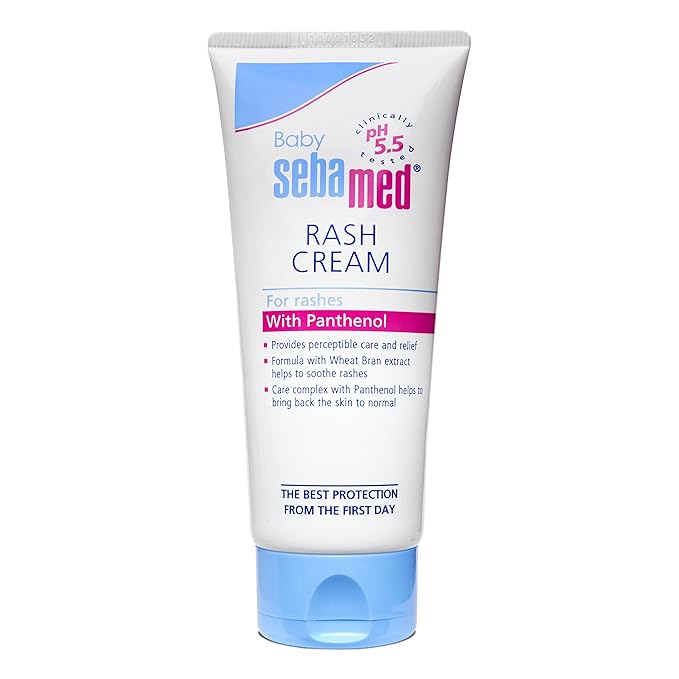
Sebamed
Baby Sebamed Rash Cream
Baby Sebamed Rash Cream does not contain Zinc Oxide, but helps protect the skin barrier and prevent diaper rash flare-ups using Petrolatum,…
FULL REVIEW →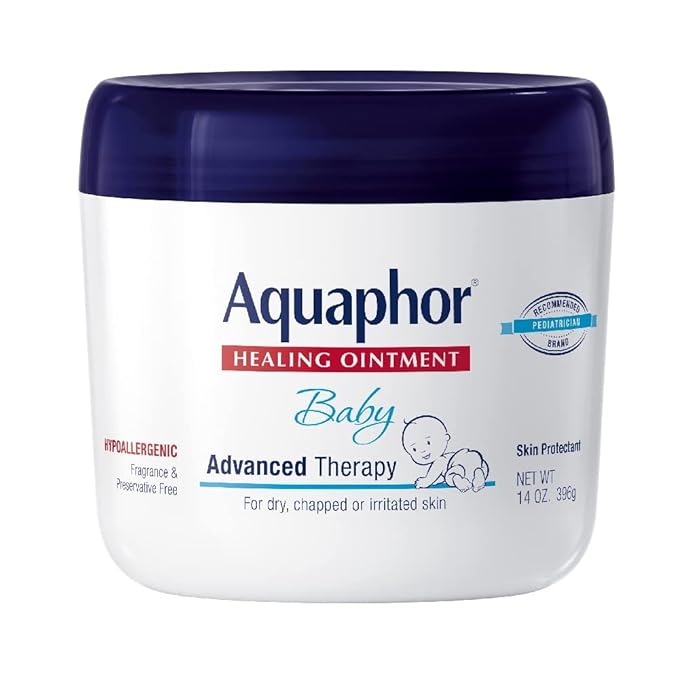
Aquaphor
Aquaphor Baby Healing Ointment
Aquaphor Baby Healing Ointment does not contain Zinc Oxide, but helps protect the skin barrier and prevent diaper rash flare-ups using…
FULL REVIEW →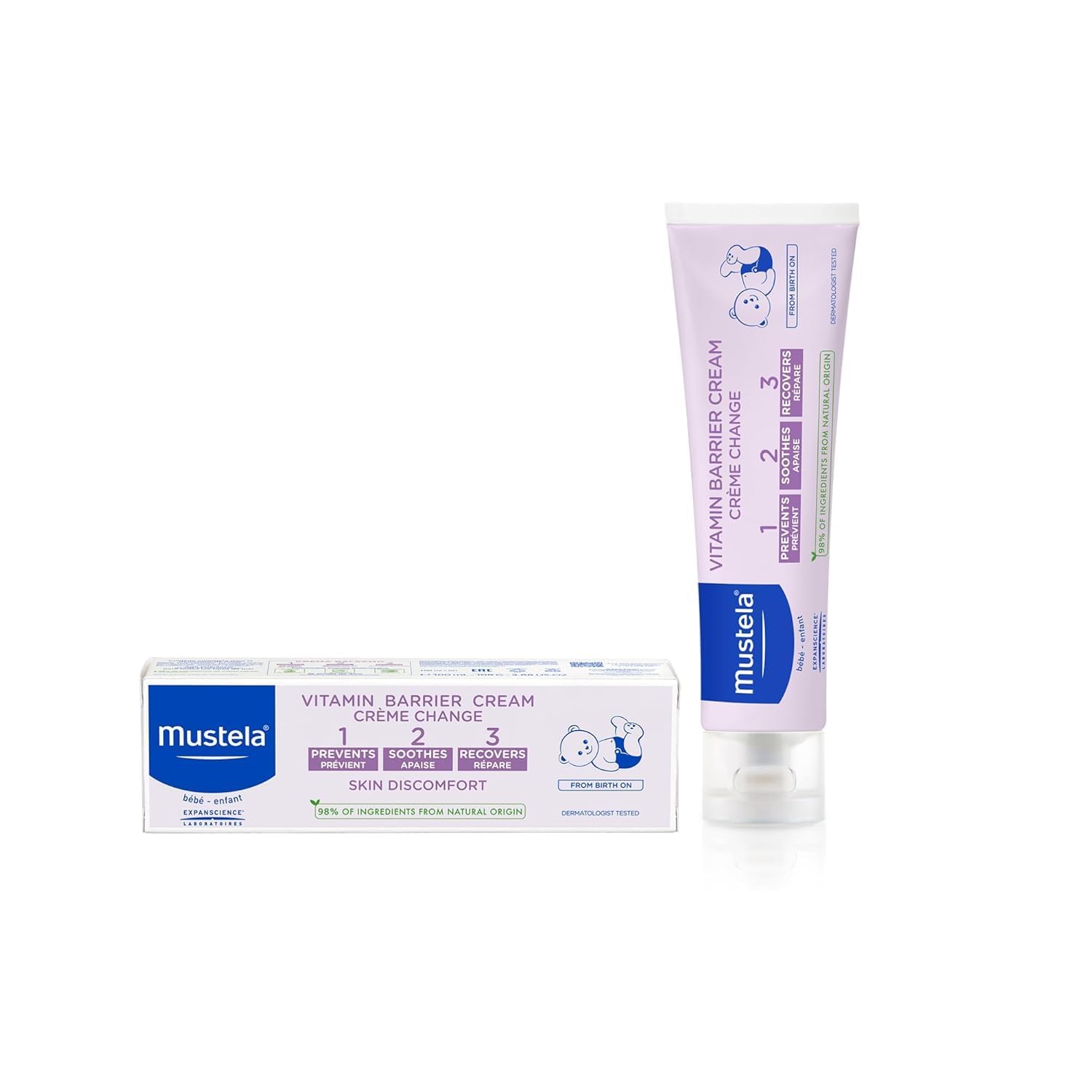
Mustela
Mustela Baby Natural Diaper Cream (1-2-3 Vitamin Barrier)
Mustela Baby Natural Diaper Cream (1-2-3 Vitamin Barrier) formulated with Zinc Oxide (exact concentration not disclosed).
FULL REVIEW →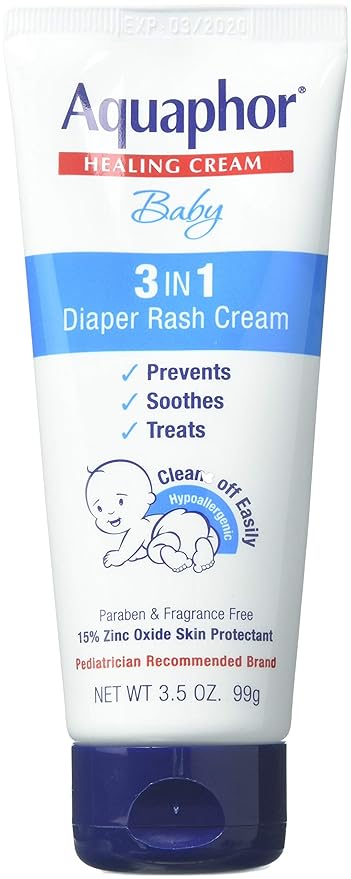
Aquaphor
Aquaphor Baby Diaper Rash 3-in-1 Cream
Aquaphor Baby Diaper Rash 3-in-1 Cream formulated with 15% Zinc Oxide. Designed to manage moderate diaper rash.
FULL REVIEW →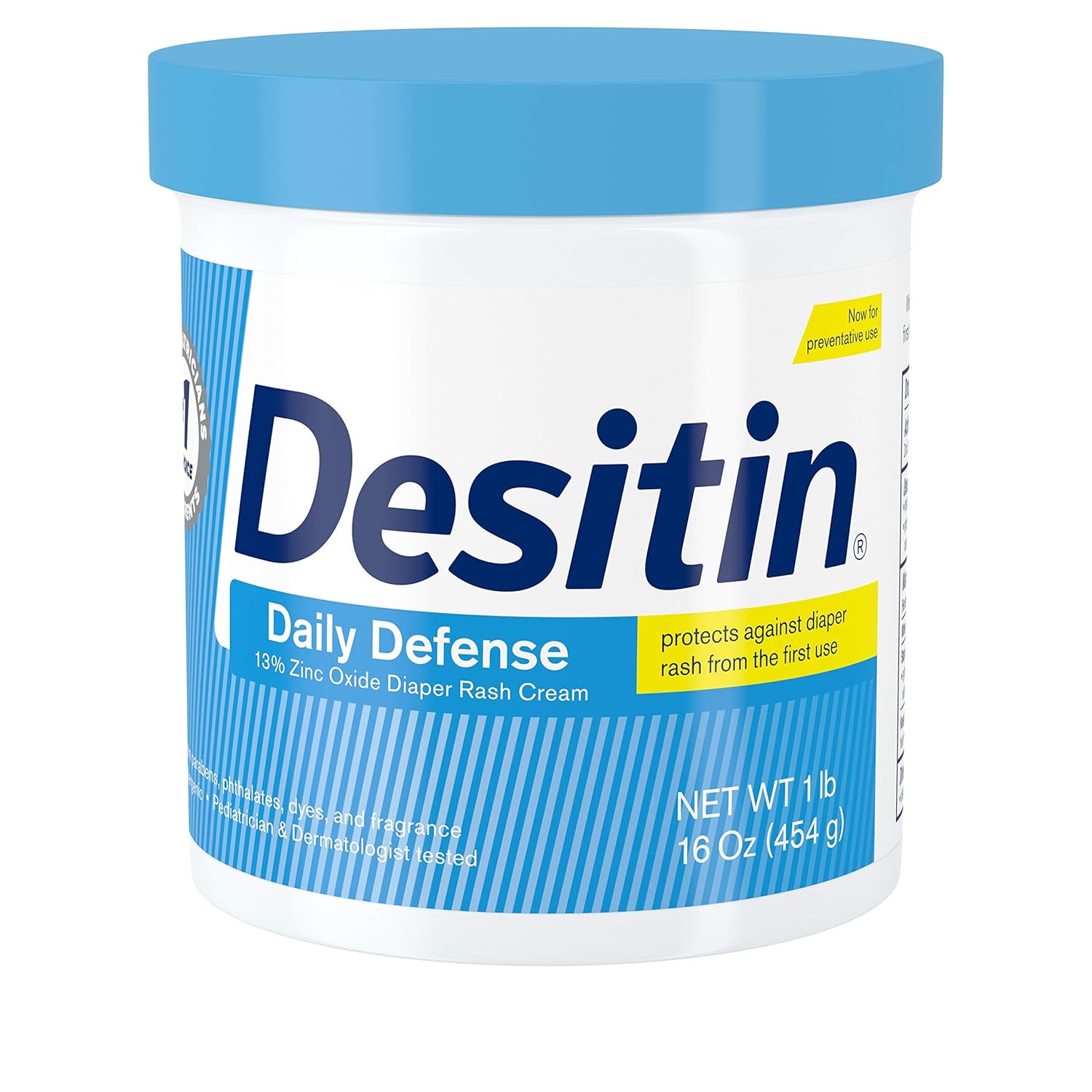
Desitin
Desitin Diaper Rash Cream (Daily Defense)
Desitin Diaper Rash Cream (Daily Defense) formulated with 13% Zinc Oxide. Designed to manage moderate diaper rash.
FULL REVIEW →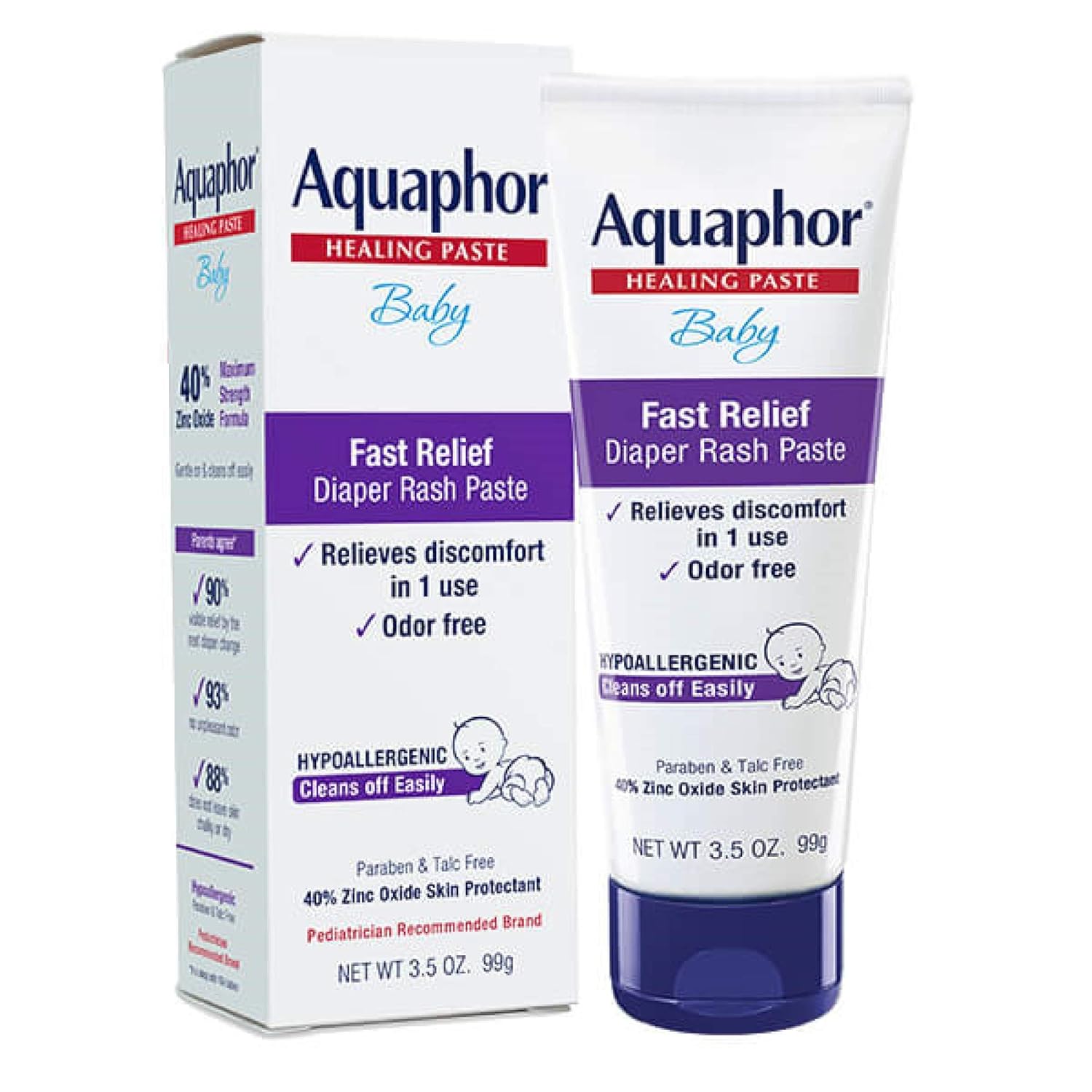
Aquaphor
Aquaphor Baby Diaper Rash Paste
Aquaphor Baby Diaper Rash Paste formulated with 40% Zinc Oxide. Designed to manage severe diaper rash.
FULL REVIEW →People also ask
It depends on the rash, not the brand. 5–10% is enough for daily prevention. 10–15% is the usual range for a mild, early rash. Anything from 15–40% is for a severe or broken-skin rash and should be used on your doctor's advice, not on your own.
RELATED ARTICLES
Best & Safe Sunscreen for kids
Best & Safe body wash for kids
Best & Safe moisturiser for kids
Medical & Editorial Disclaimer. This guide is educational content, not individualized medical advice, diagnosis or treatment for any child. It reflects Dermatocare's own ingredient-database screening, applied as a precautionary framework, together with publicly available formulation and regulatory information. This content does not replace individualized consultation with a pediatrician or dermatologist. Always verify the current ingredient list against the product label, since formulations change without notice.
Not sure which one is right for you?
Answer a few questions and get a full AM and PM routine built for your skin — free, and put together by a dermatologist.