
Hair color
How to Color Hair Safely: Dermatologist Guide to Safe Hair Dyes
I have analysed almost every hair colour sold in India. Most contain harsh chemicals that damage your hair — and can affect your body too. To see exactly how dyes damage hair from the inside, watch the video in the next section.
Here is what I want you to take away from this article:
In one line: Don't colour your hair unless you have greys you can't live with. If you must, use henna + indigo first, Casting Crème Gloss second, and Paradyes only if you're allergic to regular dye.
Why you should delay hair colour as long as possible
Every time you apply permanent hair dye, a small amount of chemicals (like PPD) passes through your scalp into your blood. Your liver processes them, and your kidneys and bladder flush them out. The chemicals leave — but the exposure adds up over the years.
What research shows:
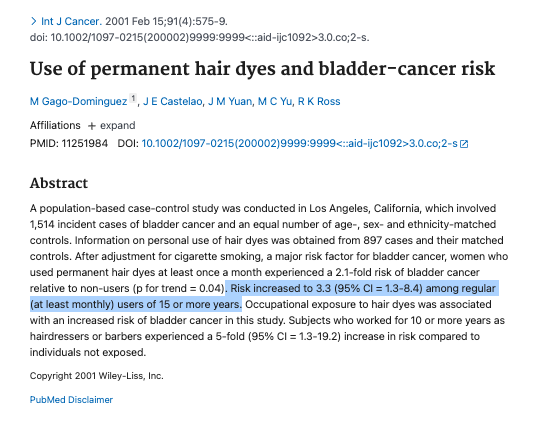
A study found that people who used permanent hair dye for a very long time — more than 282 applications, roughly 20+ years of monthly colouring — had a significantly higher risk of bladder cancer.
The earlier in life you start, the more chemical exposure your body collects over a lifetime.
Avoid hair dye completely in the first trimester of pregnancy.
What this means for you: Start colouring as late in life as you can, colour only to cover greys, and stretch the gap between applications as much as possible.
Your safest choice: Pure Henna + Pure Indigo (two-step method)
If you want to cover greys, try this 100% plant-based method before anything else.
How to do it:
Day 1 — Apply pure henna. Your grey strands will turn copper-orange. Don't panic — that's expected.
Day 2 — Apply pure indigo over it. The blue pigment layers over the orange and gives you a rich, natural black.
One rule: never use pre-mixed henna-indigo packets. Indigo can't stick to hair on its own — it needs the henna coat underneath. Mixed packets give patchy, muddy brown results.
If henna doesn't cover your greys well: L'Oréal Casting Crème Gloss
Not everyone gets full grey coverage from henna and indigo. If that's you, this is your next safest option.
Why it's gentler than regular box dye:
It's demi-permanent, not permanent — it uses much less peroxide and a milder formula.
It deposits colour on the outer layers of your hair instead of stripping the inner core, so there's less damage. The colour fades gradually over 20–25 washes.
It comes with a glycolic-acid mask that seals the hair cuticle after colouring and locks in shine.
Click here for full review of this L'Oréal Casting Crème Gloss color
If hair dye gives you severe itching or swelling: Paradyes Glossy Tint
If past hair dyes caused intense itching, redness, or swelling, you are likely allergic to PPD. Paradyes is PPD-free, so it may work for you — but it is not a "safe" dye. Know this before using it:
It uses azo dyes (the pigments used in lipsticks and food colouring) instead of PPD.
It still contains peroxide and MEA, so it will still damage hair with repeated use. Use it occasionally, not routinely.
Azo dyes absorbed through the skin can break down into compounds linked to bladder and liver cancer with prolonged use.
They can also trigger their own allergic reactions — irritation, dermatitis, and scalp eczema.
Bottom line on Paradyes: an occasional backup for PPD-allergic users only — not a regular option for anyone.
The bottom line
No greys? Don't colour your hair for fashion. The health and hair damage isn't worth a temporary look.
Just starting to grey? Work on the greying itself before reaching for dye.
Click here to explore our dermatologist-formulated regimens for premature greying.
Hair dye was once used mainly by people in their 50s and beyond. Today, younger people are colouring earlier than ever — and studies increasingly confirm the long-term risks of lifelong chemical exposure. Delay chemical dyes as long as you can, and when you do colour, choose the safest option that works for you.