Key Ingredients
Reducing Contamination Risks in Skincare and Clinical Labs
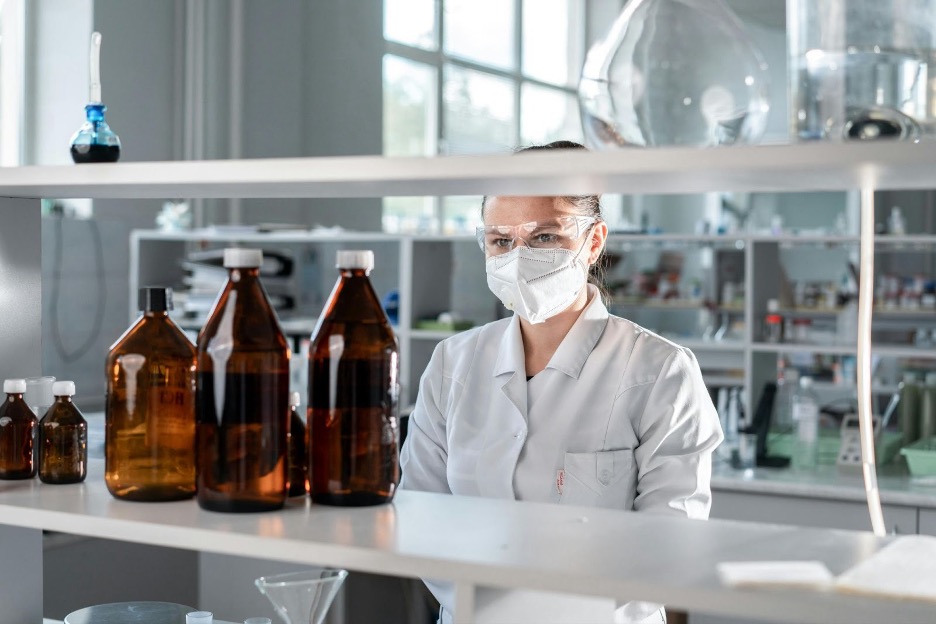
Imagine a tiny, invisible intruder. It could be a stray skin cell. It might be a fungal spore from the air. This microscopic guest can ruin months of work. It can compromise a patient's diagnostic result. It can spoil an entire batch of luxury serum.
Contamination is the silent enemy in precision labs. The stakes feel incredibly high. In clinical settings, accuracy is a matter of health. In skincare science, purity defines the brand's promise. The battle against contamination is fought on many fronts. It requires constant vigilance and smart strategy
The Human Factor Is a Wild Card
People are wonderful. People are also messy. We shed skin constantly. We carry microbes on our clothes. A simple cough can aerosolize particles. Manual pipetting is a major risk point. A tired technician might dip a tip too deep. They could accidentally touch the side of a vial. Each action introduces potential error.
This is where technology offers a powerful shield. Introducing an automated liquid handling system changes the game. It acts as a consistent, sterile intermediary. The machine has no bad days. It does not breathe on the samples. It minimizes human contact with critical reagents. This single shift reduces a huge variable.
Creating a Fortress With Air and Surfaces
The environment itself must become a barrier. High-efficiency particulate air (HEPA) filters are non-negotiable. They scrub the lab air clean. Laminar flow hoods provide a sterile workspace. They create a curtain of protected, filtered air. But cleanliness goes deeper.
Surfaces need daily warfare. UV light cabinets zap nucleic acids between uses. Autoclaves sterilize tools with intense heat and pressure. The protocol for entering a cleanroom is rigorous. Gowns, gloves, hairnets, and shoe covers become a second skin. This creates a layered defense where each layer catches what the previous one misses.
The Discipline of Dedicated Tools
Cross-contamination is a sneaky foe. It hitchhikes from one sample to the next. Using the same pipette for different reagents is asking for trouble. The solution is a strict rule of dedication. Specific tools are assigned to specific tasks. A set of pipettes lives only in the PCR setup area. They never visit the cell culture room. Disposable, sterile filter tips are essential for liquid handling. They are used once and discarded.
This practice seems simple. Its impact is massive. It severs the invisible chains that link samples together. An automated liquid handling system excels here. It can be programmed for tip changes between every single sample. Human patience might waver. The machine's programming does not.
The Unseen World of Water and Reagents
The purest sample can be poisoned at its source. Contaminants often hide in plain sight. Laboratory water must be of the highest grade. Type I ultrapure water resists microbial growth. Reagents themselves can arrive contaminated. Vigilant labs audit their suppliers. They perform quality checks on every new batch.
Aliquoting is a best practice. Large stock bottles are divided into smaller, single-use volumes. This prevents repeated freezing and thawing of a master stock. It also stops constant pipetting from the same container. Each small vial stays pristine until its one moment of use.
Vigilance Through Monitoring and Data
You cannot manage what you do not measure. Proactive labs embrace environmental monitoring. They use settle plates to catch airborne microbes. They swab surfaces regularly for bacterial counts. This data tells a story. It reveals problem areas before an outbreak occurs.
Maybe the air flow near the incubator is turbulent. Perhaps a cleaning protocol is missing a corner. Digital logs track everything. They record equipment sterilization cycles. They note reagent lot numbers and expiration dates. This creates accountability. It also provides a map for tracing any contamination event back to its origin.
Cultivating a Culture of Cleanliness
Technology alone is not enough. The team's mindset is the ultimate filter. Training must be continuous and engaging. Everyone must understand the why behind every rule. A culture of speaking up is vital.
Technicians should feel empowered to halt a process. They can point out a potential breach without fear. Celebrating clean audits reinforces good behavior. Making sterility a shared point of pride transforms it. It stops being a tedious chore. It becomes a core part of the lab's identity and success.
The Tangible Payoff of Purity
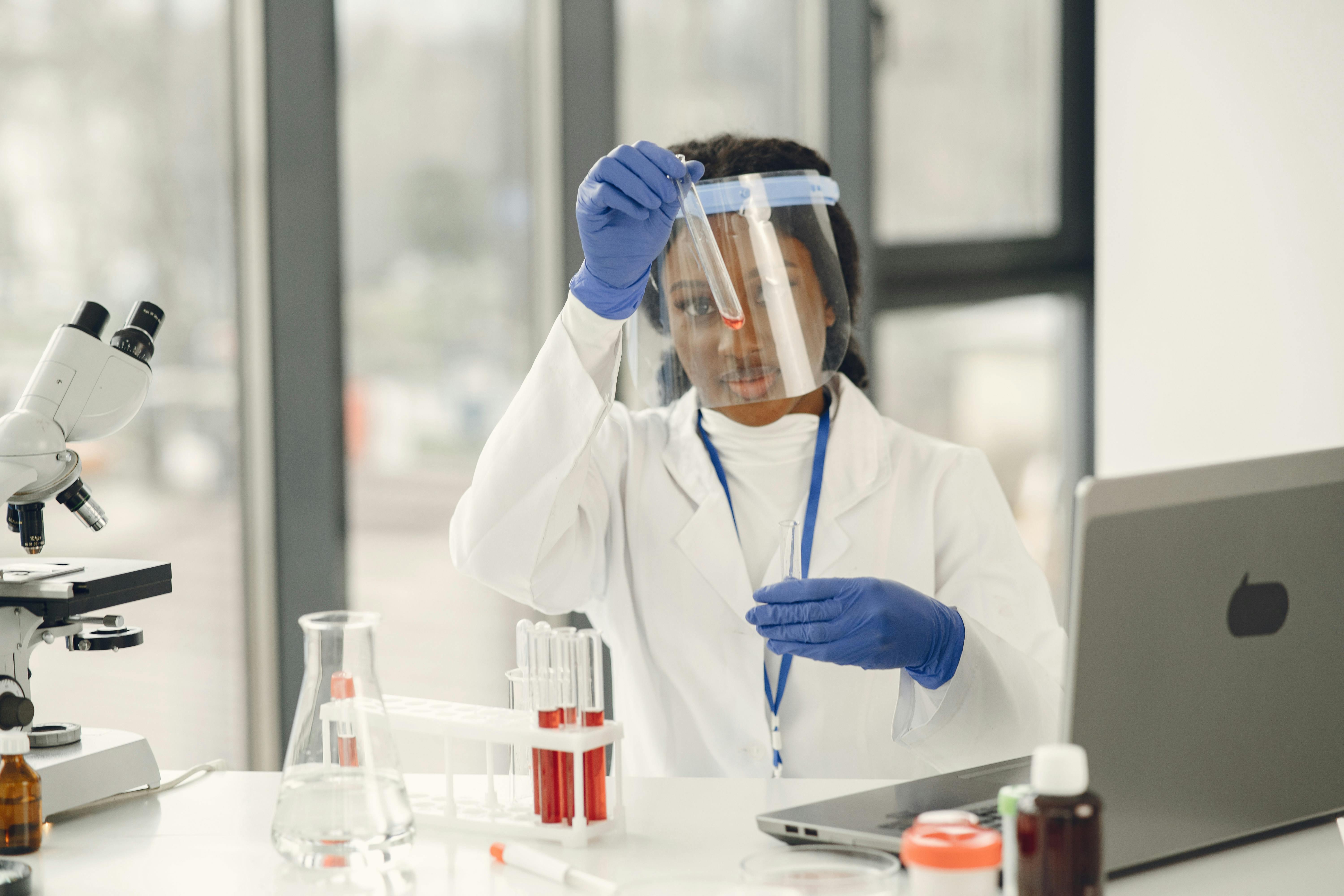
The investment in contamination control pays rich dividends. For clinical labs, it means diagnostic certainty. Doctors receive accurate, reliable results. Patients get the correct treatment faster.
For skincare labs, it means product integrity and safety. A preserved formula performs as advertised. It earns consumer trust and brand loyalty. It avoids devastating recalls. Reducing contamination risks is not just a technical exercise. It is a commitment to quality. It protects people. It safeguards reputations. It turns the lab from a vulnerable space into a fortress of reliability.
Conclusion: An Ongoing Commitment
The fight against contamination never truly ends. New threats emerge. Protocols must evolve. However, the principles remain steadfast. Limit human intervention with smart automation. Engineer a defensive environment. Enforce strict procedural discipline. Foster a culture of unwavering care.
Combining these elements builds resilience. It allows skincare innovators and clinical scientists to focus on their true mission: discovery and healing. Their work depends on a foundation of absolute purity. That foundation is worth protecting every single day.