
Vitamin C
Top 6 Vitamin C Serums to Fade Dark Spots & Hyperpigmentation (2026)
Vitamin C is a superstar for glowing skin, but supporting actor in treating deep pigmentation like melasma or dark spots.
You need one of these 37 skin lightening ingredients like tranexamic acid, arbutin, glycolic acid, azelaic acid, and kojic acid for deep pigmentation. So, where does Vitamin C fit in pigmentation? It works best for:
Fading mild tanning and early dullness.
Preventing new spots from forming by neutralizing sun damage.
Boosting the effectiveness of your sunscreen.
Vitamin C types & skin lightening potential
L-Ascorbic Acid (LAA)
High lightening
Fast results, but unstable and can irritate at 15–20%
Ethyl Ascorbic Acid (EAA)
High lightening
Very stable derivative (works well in heat/humidity)
Tetrahexyldecyl (THD) Ascorbate
Moderate lightening
Oil-soluble, deeper penetration and stable
Sodium Ascorbyl Phosphate (SAP)
Moderate lightening
Best for acne-prone skin (supports antimicrobial action)
List of supporting skin lightening ingredients
For clinical-grade results, Vitamin C should rarely act alone. A "cocktail" approach is more effective for recalcitrant pigmentation. Look for these synergistic ingredients:
Ferulic Acid & Vitamin E: These don't lighten skin directly, but they double the photoprotective effect of Vitamin C and stabilize L-Ascorbic Acid.
Alpha Arbutin: A safe derivative of hydroquinone that blocks tyrosinase activity.
Niacinamide (Vitamin B3): It prevents the transfer of melanin to the skin cells (keratinocytes), acting as a secondary gatekeeper.
Licorice Root Extract (Glabridin): A natural skin brightener that also offers anti-inflammatory benefits to reduce redness.
Acetyl Glucosamine: Works synergistically with Niacinamide to reduce the production of pigment.
List of vitamin C serum that contain skin lightening ingredients:
Cost below 1000
Cost above 1000:
We have listed the best options below.
DOT & KEY 10% Vitamin C + E Serum
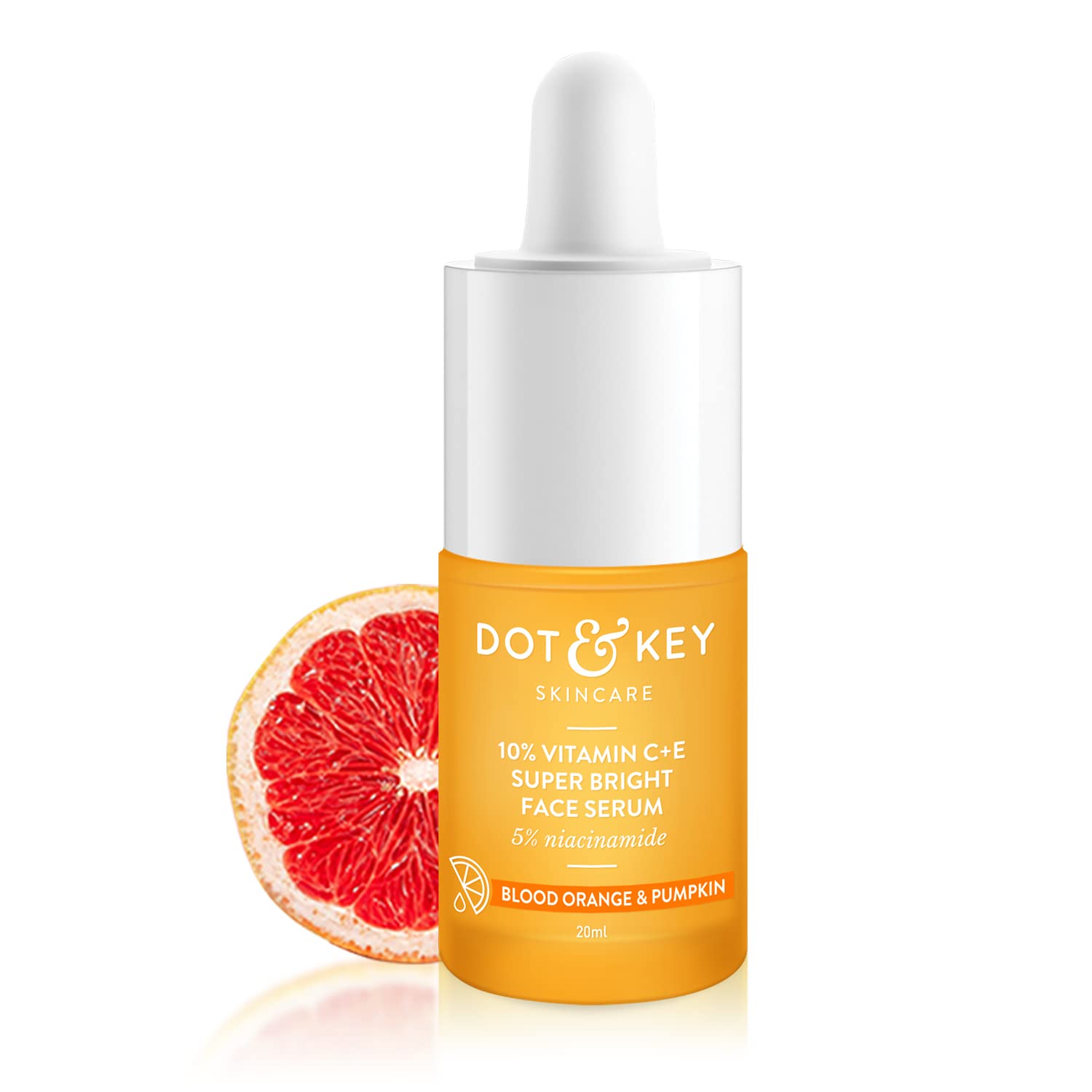
DOT & KEY 10% Vitamin C + E Serum
Dermatocare Rating: ⭐⭐⭐⭐✨ (4.3/5)
Best for post acne marks
PIH responds very well to Vitamin C + Niacinamide + Arbutin combos.
Barrier support reduces the risk of irritation-triggered new marks.
⚠ Cons- Dropper packing
The Formularx 10% Vitamin C Face Serum
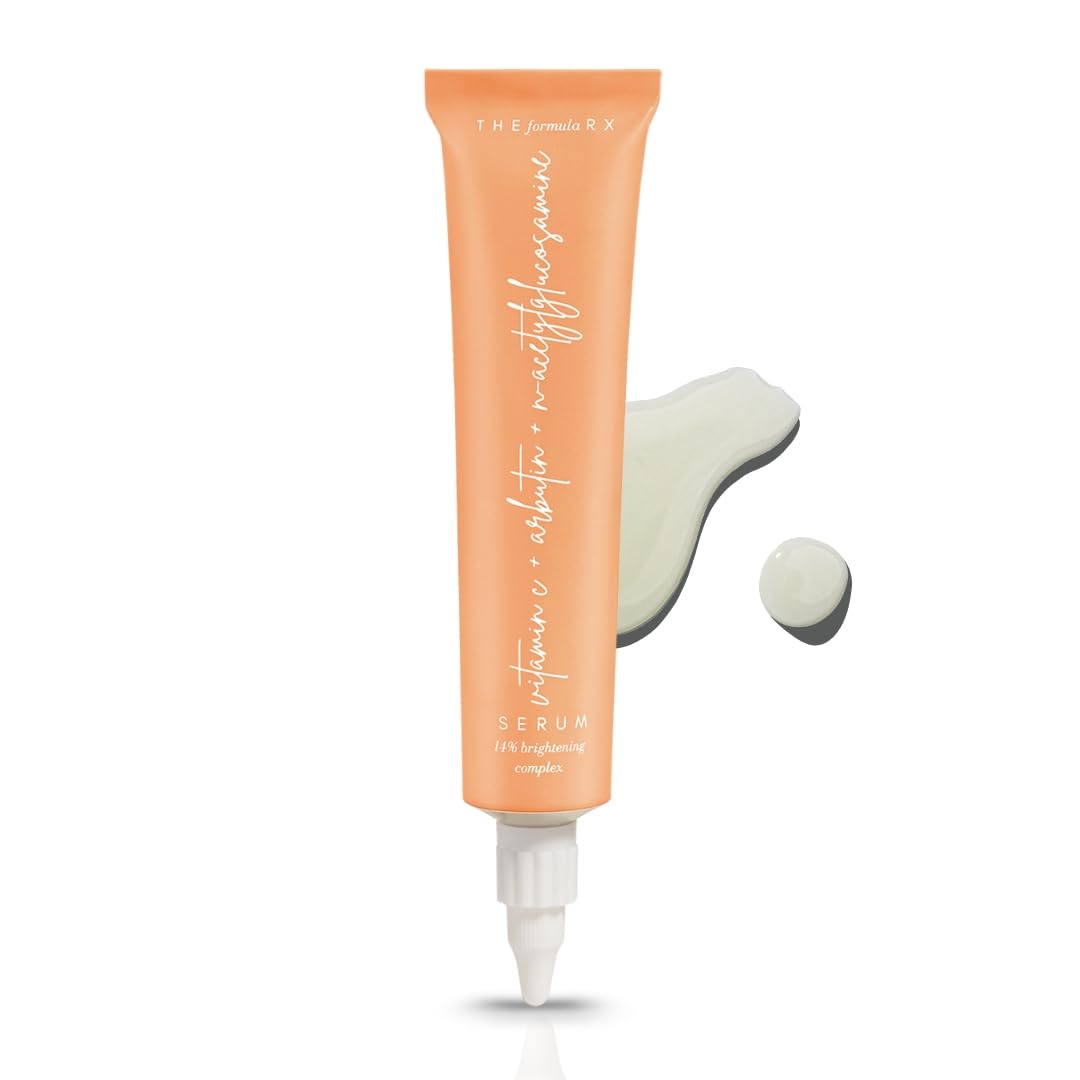
The Formularx 10% Vitamin C Face Serum
Dermatocare Rating: ⭐⭐⭐⭐✨ (4.5/5)
Best for uneven skin tone and mild tanning in beginners
10% 3-O-Ethyl Ascorbic Acid
2% Alpha Arbutin + 2% N-Acetyl Glucosamine is a smart combo for fading marks and improving pigmentation over time.
Barrier-friendly: Vitamin E + glycerin/HA + allantoin
FCL 25% Vitamin C Face Serum
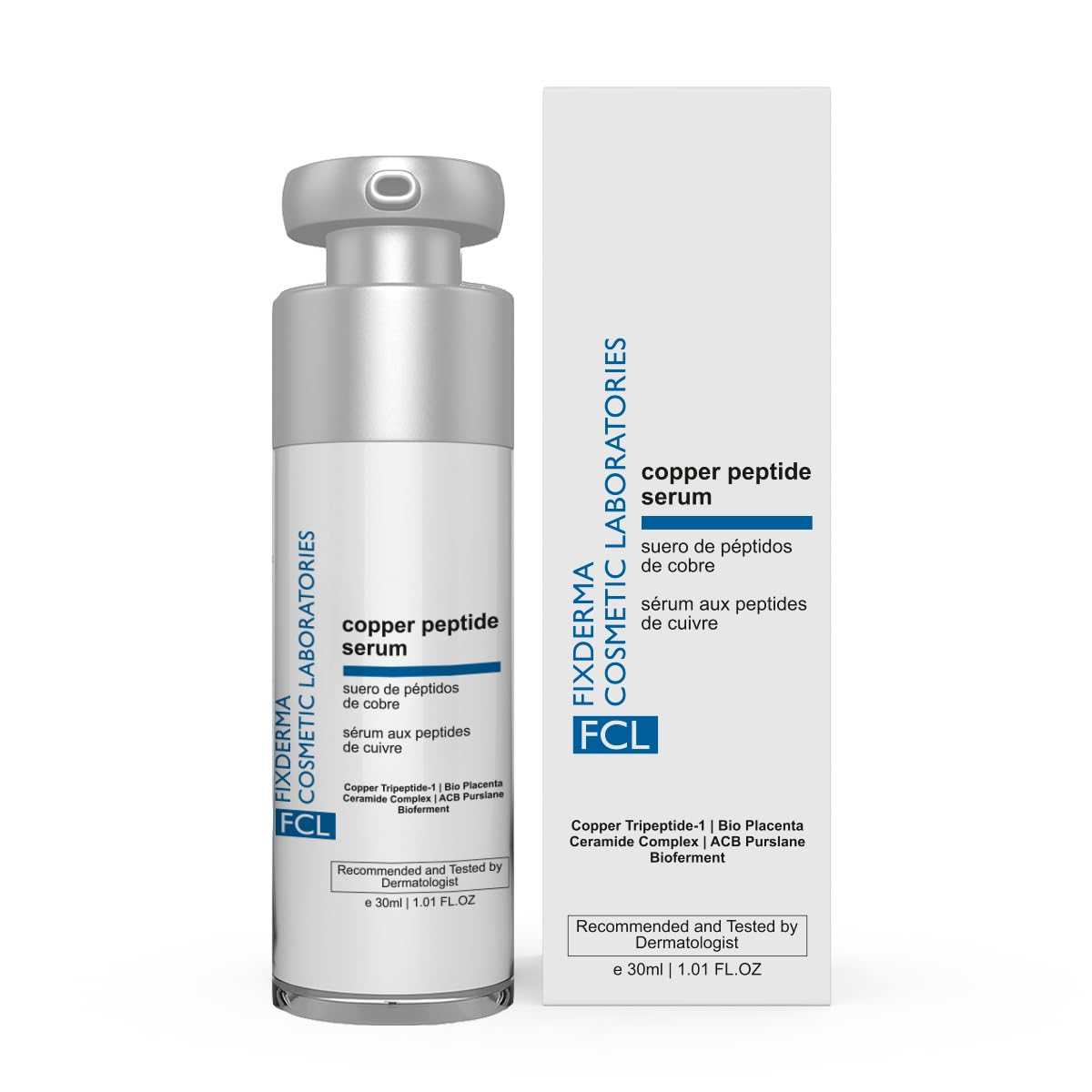
FCL 25% Vitamin C Face Serum
Dermatocare Rating: ⭐⭐⭐⭐ (4.8/5)
Recommended for dull textured skin looking for mild exfoliation in non-sensitive skin (detan potential low)
High-strength Vitamin C: 25% 3-O-Ethyl Ascorbic Acid +Ferulic Acid can deliver stronger brightening
Pigmentation support: Alpha-arbutin support dark-spot correction
Multiple fruit extracts (blueberry, citrus, sugarcane, maple): Add antioxidant and mild exfoliation support
Brinton d’experts Vitamin C Serum
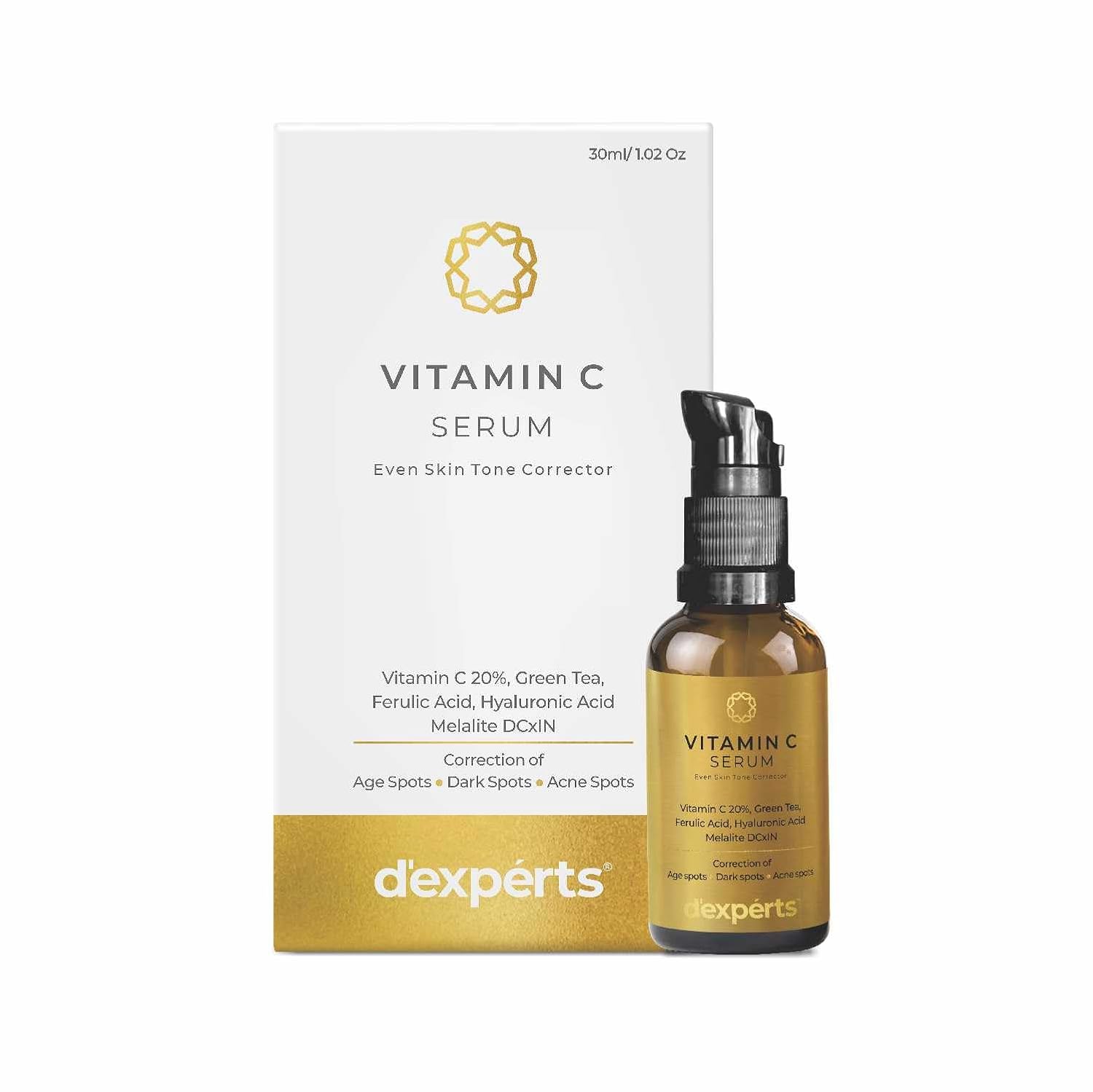
Brinton d’experts Vitamin C Serum
Dermatocare Rating: ⭐⭐⭐⭐ (4.8/5)
Recommended for dull sun damaged non-sensitive skin
20% Ethyl Ascorbic Acid - strong Vitamin C derivative
Niacinamide + Ferulic acid + Licorice + Green tea = good multi-path pigment + antioxidant support.
Allantoin + HA + squalane- barrier comfort
MelaLite DCx- combination of antioxidant + brighteners
SabiWhite® (Tetrahydrodiferuloylmethane)
pTeroWhite® (Pterocarpus extract / pterostilbene):
Licorice extract (glabridin-rich)
WishCare Super Bright C16 Vitamin C Serum
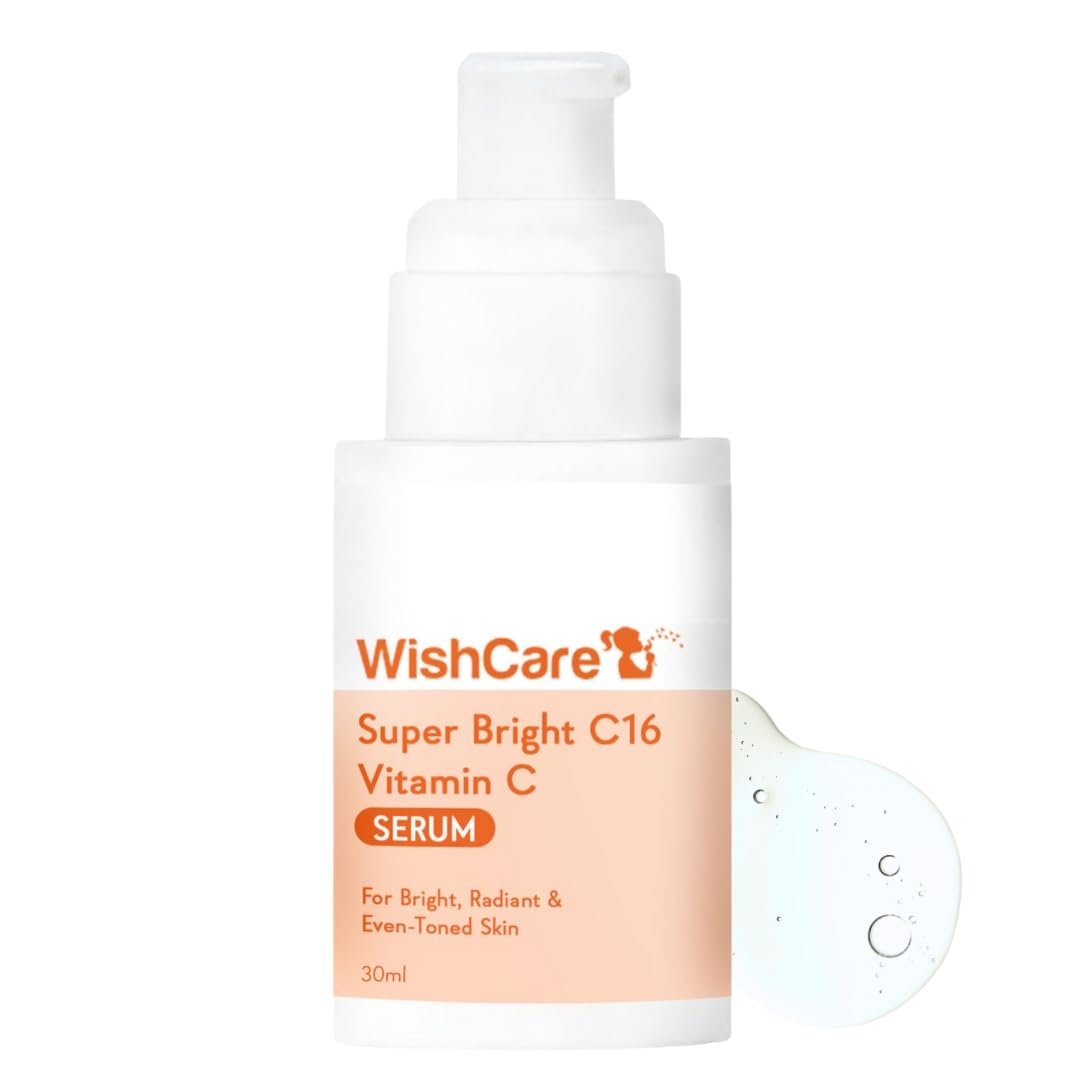
WishCare Super Bright C16 Vitamin C Serum
Dermatocare Rating: ⭐⭐⭐⭐✨ (4.5/5)
Best for mild tanning, preventing recurrence of melasma in non-sensitive skin
High-potency brightening: Ethyl Ascorbic + L-Ascorbic + Ferulic acid + Vitamin E improve antioxidant performance
Strong pigmentation blockers: 4% niacinamide + 1% kojic acid + 1% butylresorcinol targets melanin effectively.
Soothe: licorice/CICA/aloe/ HA/glycerin
Murad Vita-C Glycolic Serum
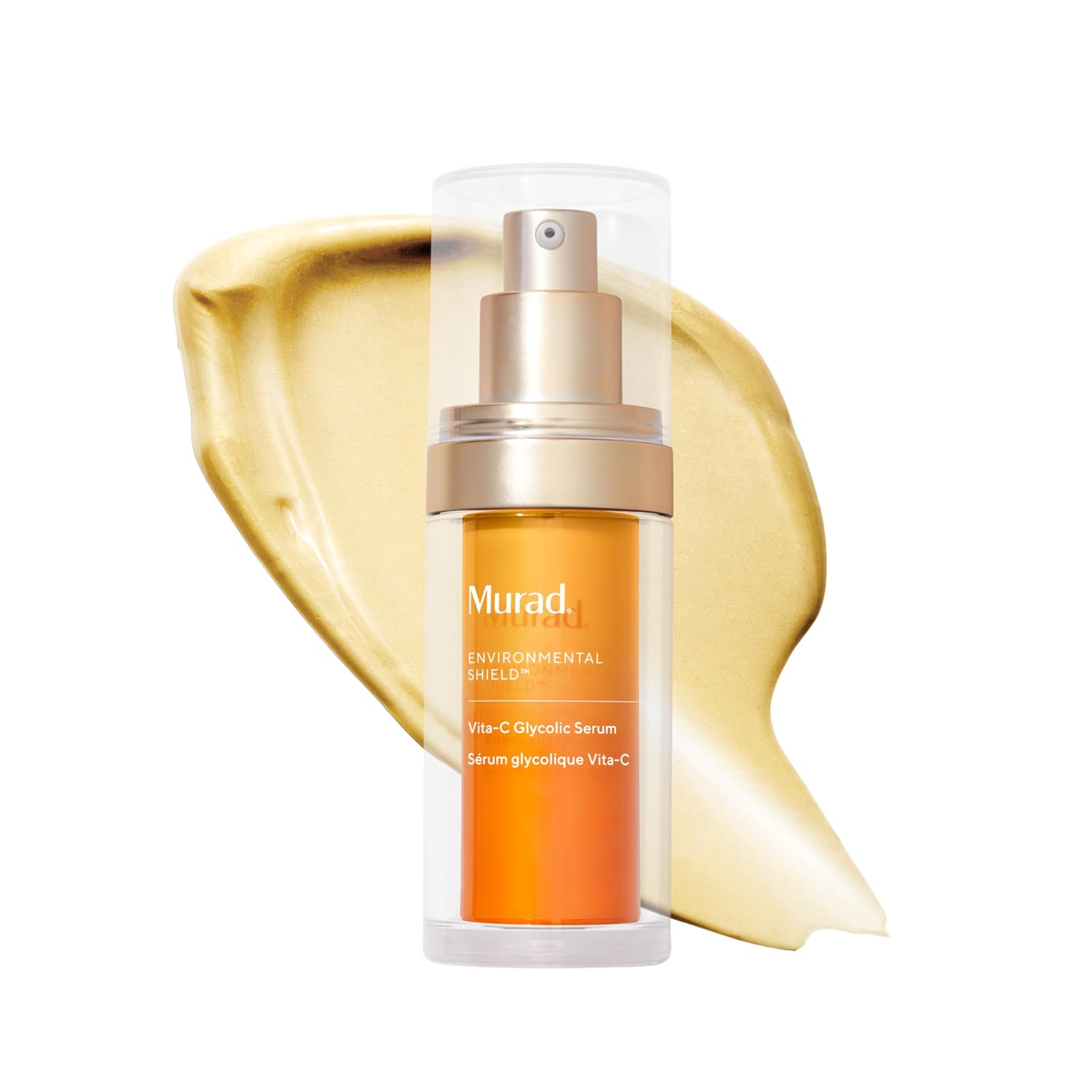
Murad Vita-C Glycolic Serum
Dermatocare Rating: ⭐⭐⭐⭐☆ (4.5/5)
Best for moderate tanning, dull look, textured skin in non-sensitive skin
Fast surface brightening: Glycolic + lactic acid can quickly improve dullness, rough texture, and surface pigmentation.
Multi-path brightening support: Dual Vitamin C (ascorbic acid + THD ascorbate) plus glutathione + hexylresorcinol supports antioxidant protection and pigment control.
Barrier support: Urea + amino acids + trehalose + betaine + vitamin E
Frequently Asked Questions (FAQs)
Q1: Can Vitamin C darken Indian skin?
No. This is a common myth. Vitamin C actually inhibits melanin production. However, if a serum has oxidized (turned dark orange or brown), it can leave a temporary yellowish stain on the skin that mimics darkening. Always store your serum in a cool, dark place and discard it if the color changes significantly.
Q2: How long does it take to see results for pigmentation?
Patience is key. While you might notice a "glow" within 2 weeks due to the antioxidant effect, clinical fading of mild pigmentation typically takes 8 to 12 weeks of consistent daily use.
Q3: Is 20% Vitamin C better than 10% for dark spots?
Not always—it depends on the form.
For L-Ascorbic Acid (LAA): Skin absorption tends to plateau around 20%, and higher-strength LAA is more likely to sting and irritate. In irritation-prone skin, that inflammation can trigger more post-inflammatory pigmentation (PIH). For most people, 10–15% LAA is the practical “sweet spot.”
For Ethyl Ascorbic Acid (EAA): 10% is usually enough for beginners. 15–20% EAA can give stronger results in experienced users.
Q4: Should I use Vitamin C in the morning or at night?
Dermatologists generally recommend morning (AM) application. When layered under sunscreen, Vitamin C acts as a second line of defense, neutralizing the free radicals that "leak" through your SPF. If you use Retinol at night, keeping Vitamin C in the morning also prevents ingredient conflicts.
Q5: Can I use Vitamin C if I have active acne?
Yes, but choose the form wisely. If you have active breakouts, look for Sodium Ascorbyl Phosphate (SAP), as it has proven antimicrobial properties that help fight acne while simultaneously fading the red/brown marks left behind.
Not sure which one is right for you?
Answer a few questions and get a full AM and PM routine built for your skin — free, and put together by a dermatologist.