
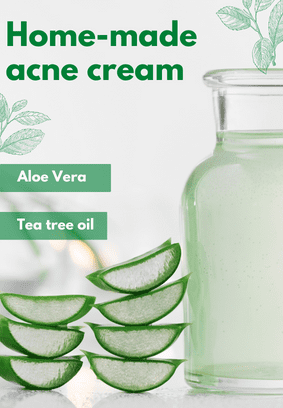
Homemade Acne Moisturiser- DIY by Dermatologist: Dermatocare review
Home Made Acne Moisturiser is made with Aloe Vera, Tea Tree, and Vitamin E. It is aligned to oily/combo sensitive skin type with skin concern of Red pimples.

Overview
Skin type Oily, Combination/Normal
Skin concern Red pimples
Key Ingredients Aloe Vera, Tea Tree
Specs Fragrance Free, Silicone free, Affordable
Life stage
Formula highlight
- Soothing Ingredients - Aloe Vera
- Anti-acne - Tea Tree
- Antioxidant ingredient - Tocopherol
Keep in mind
- Not hydrating enough for dry skin on its own
People also ask
This product complies with all applicable cosmetic safety regulations. Evaluations provided are based on Dermatocare's independent database criteria, which apply stricter benchmarks than standard regulatory guidelines.
- Aloe vera gel – A non-comedogenic base that hydrates oily skin, soothes inflammation, and offers added anti-acne, anti-ageing, and skin-lightening benefits.
- Tea tree essential oil – A powerful natural antiseptic shown in studies to be as effective as benzoyl peroxide in treating acne. Its active compounds oxidize on exposure to air and light. The oxidized form is more likely to irritate skin — so it should always be paired with an antioxidant or kept in a dark, airtight container.
- Vitamin E oil (tocopherol) – An antioxidant that slows oxidation of the tea tree oil, keeping it safer to use for longer. (optional)
In an amber-colored airtight container, mix the following ingredients:
- Aloe vera 15 ml
- Tea tree oil - 0.3–0.6 ml or 6-12 drops for the face; 0.9–1.2 ml or 18-24 drops for the body
Note: Roughly 2 drops of tea tree oil ≈ 0.1 ml, but this is highly variable so always start with lowest concentration.
- For face - start with 0.3 ml per 15 ml of aloe vera and increase gradually up to 0.6 ml only if your skin tolerates it.
- For body use, you may increase up to 1.2 ml.
- You can add 0.1 ml vitamin E (2-3 drops) oil from any pharmacy or cosmetic-grade brand at the same time to prevent oxidation.
- Measuring with a dropper/syringe gives more consistent strength than counting drops, since drop size varies by bottle.
- Wash and gently pat dry your face.
- Take 2–3 drops in your palm, dot across your face.
- Gently massage in circular motions until absorbed.
- Generally well-tolerated, but may irritate sensitive skin.
- Always do a patch test before first use.
- Discontinue if you experience redness, rash, or burning.
Keeps well for 30+ days if stored airtight and dry. No need for refrigeration — but choose an aloe vera gel that's paraben-free and preserved (look for potassium sorbate or sodium benzoate on the label), not a genuinely preservative-free "chemical-free" gel, which will spoil regardless of how carefully you store it.
Avoid water contamination to prevent spoilage. Discard the batch if the oils separate and won't remix, or if it develops a sour/rancid smell or color change — signs the tea tree oil has oxidized.
May prevent new pimples and help heal small breakouts. Not a substitute for medical treatment—consult a dermatologist for severe, cystic, or non-responding acne. For red or pus-filled spots, use a concentrated anti-acne spot treatment version of this DIY formula.
Sensitive skin Compatible: Does not contain ingredients flagged in our database as common contact sensitizers ↗. While this aligns with our sensitive skin benchmarks, individual skin reactivity varies. Performing a 24-hour patch test prior to use is still recommended.
Pregnancy: Compatible - Free from ingredients flagged on our Pregnancy Ingredient Database ↗.
Teens Compatible: Free from ingredients currently flagged under our Teens database criteria. Refer to our Teen Skincare Guide ↗ for full screening details.
No. It does not contain any ingredients currently flagged under Dermatocare's internal evaluation criteria. Refer to our Ingredients Under Review Guide ↗ for full database benchmarks.
No. It does not contain ingredients currently flagged for environmental persistence, bioaccumulation, or aquatic toxicity under Dermatocare's database criteria. Refer to our Environmental Screening Guide ↗ for full evaluation benchmarks.
Ingredient list
Aloe Barbadensis (Aloe Vera) Leaf Gel (15 ml), Melaleuca Alternifolia (Tea Tree) Oil (0.3–0.6 ml for face), Tocopherol/Vitamin E oil (0.1 ml, optional)
Source: Dermatocare's own DIY recipe
Compare similar products
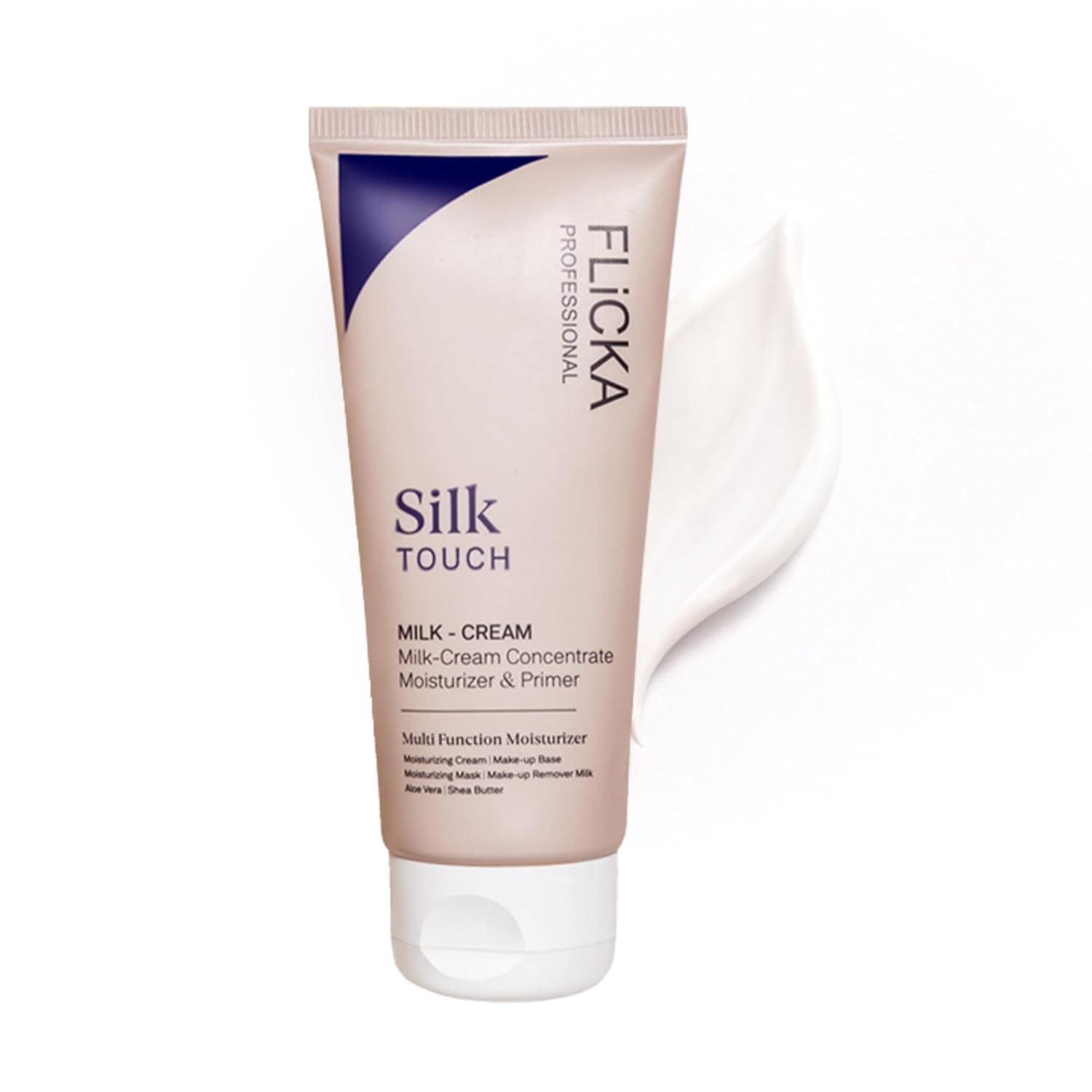
FLiCKA Silk Touch 3 in 1 Moisturizer and Primer: Dermatocare Review
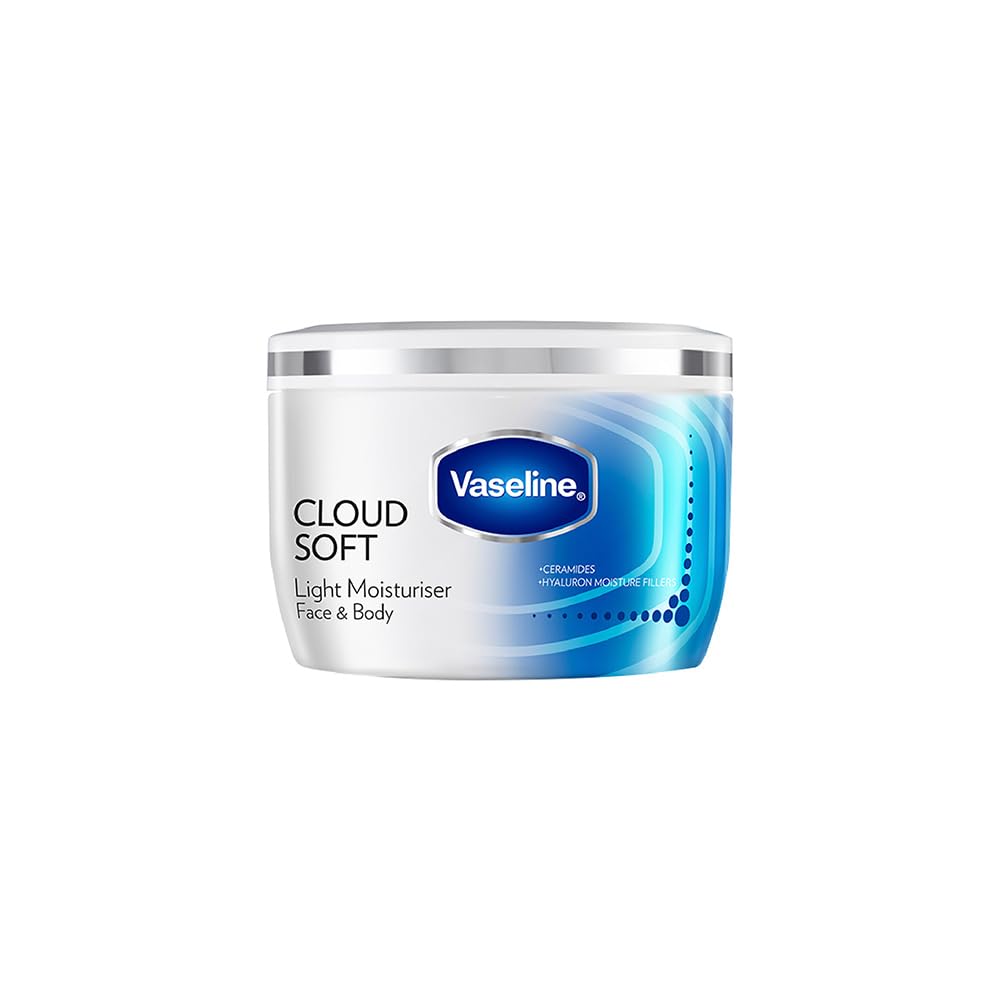
Vaseline Cloud Soft Moisturizer
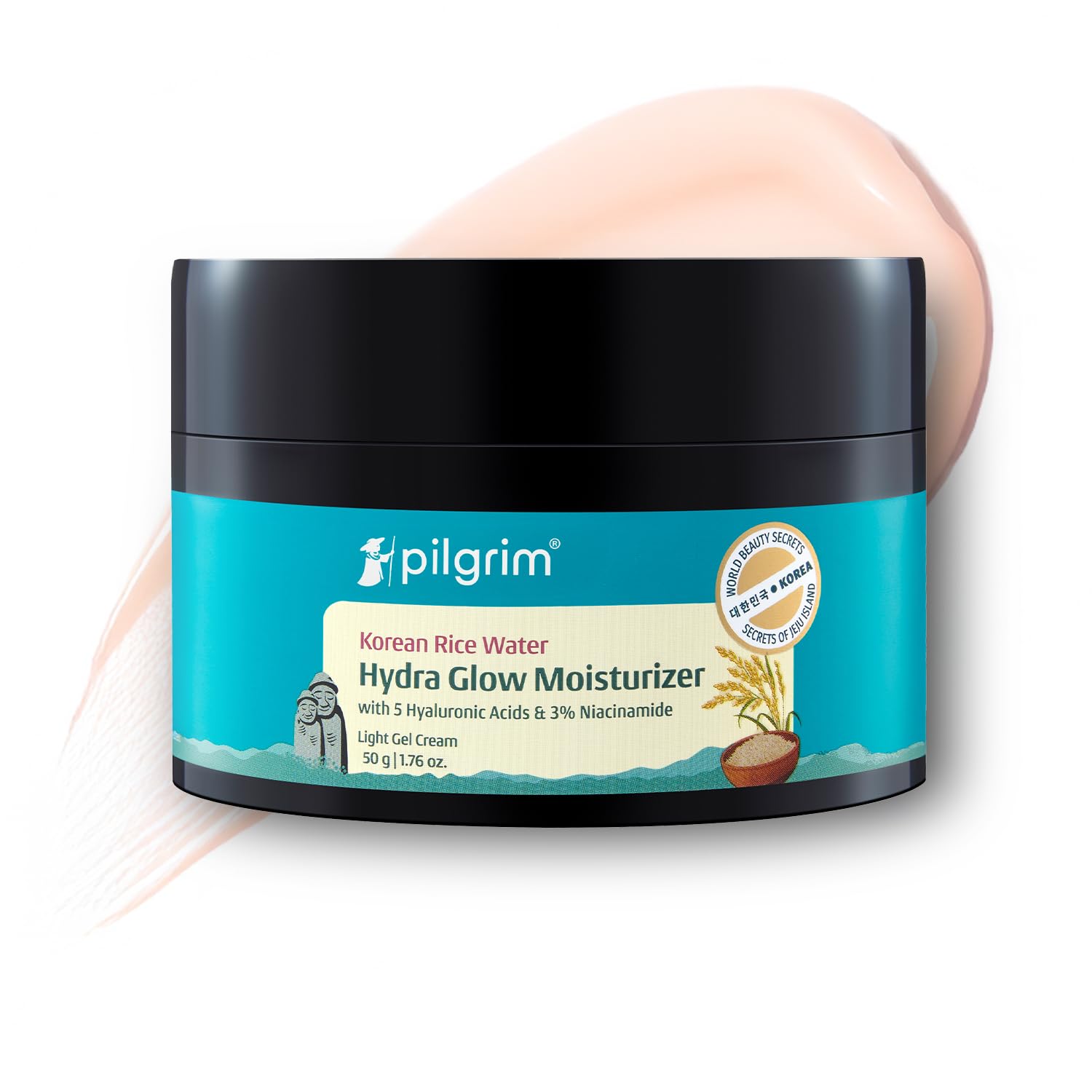
Pilgrim Korean Light Gel Oil Free Hydra Glow Moisturizer Cream
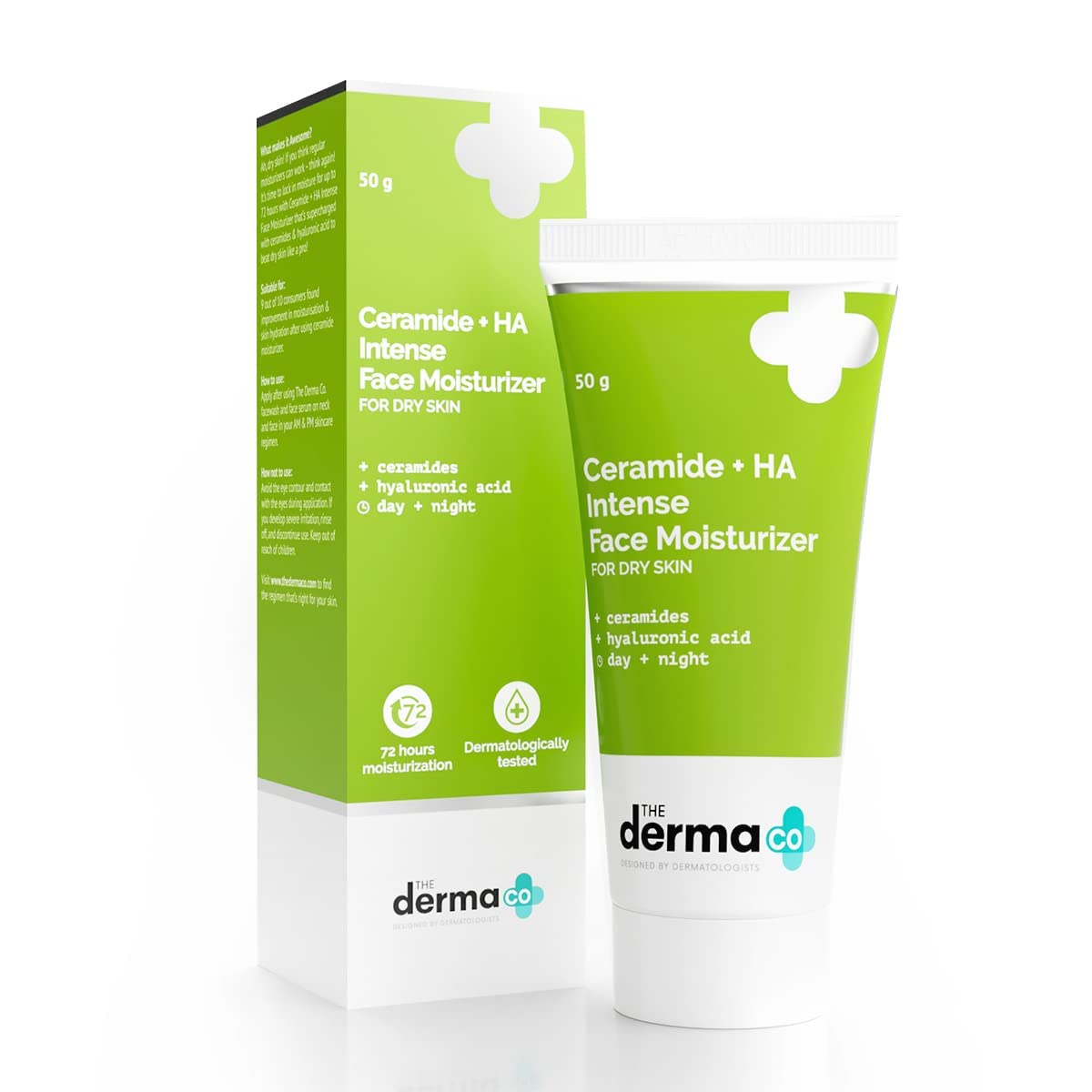
The Derma Co Ceramide + HA Intense Moisturizer Cream
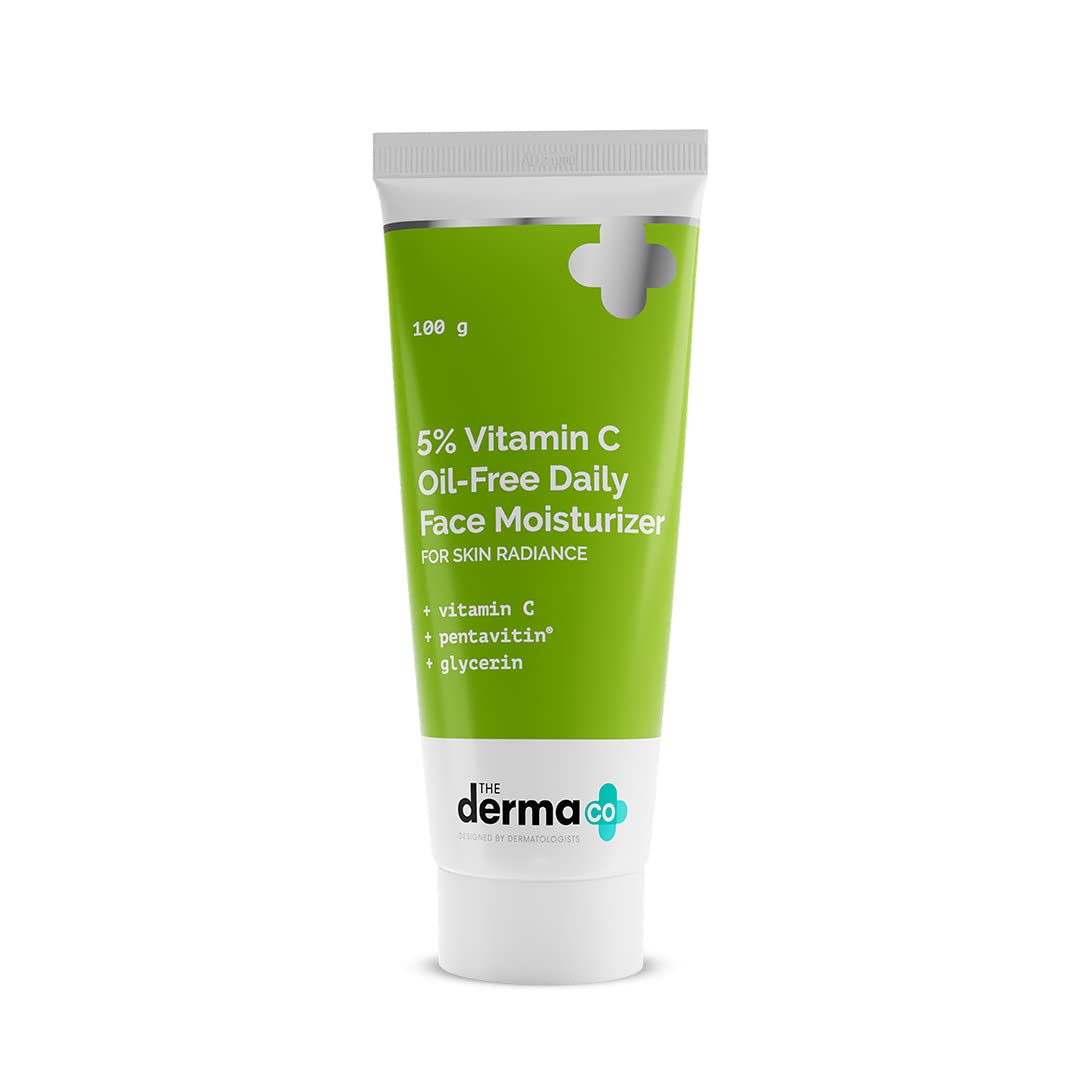
The Derma Co 5% Vitamin C Oil-Free Daily Face Moisturizer
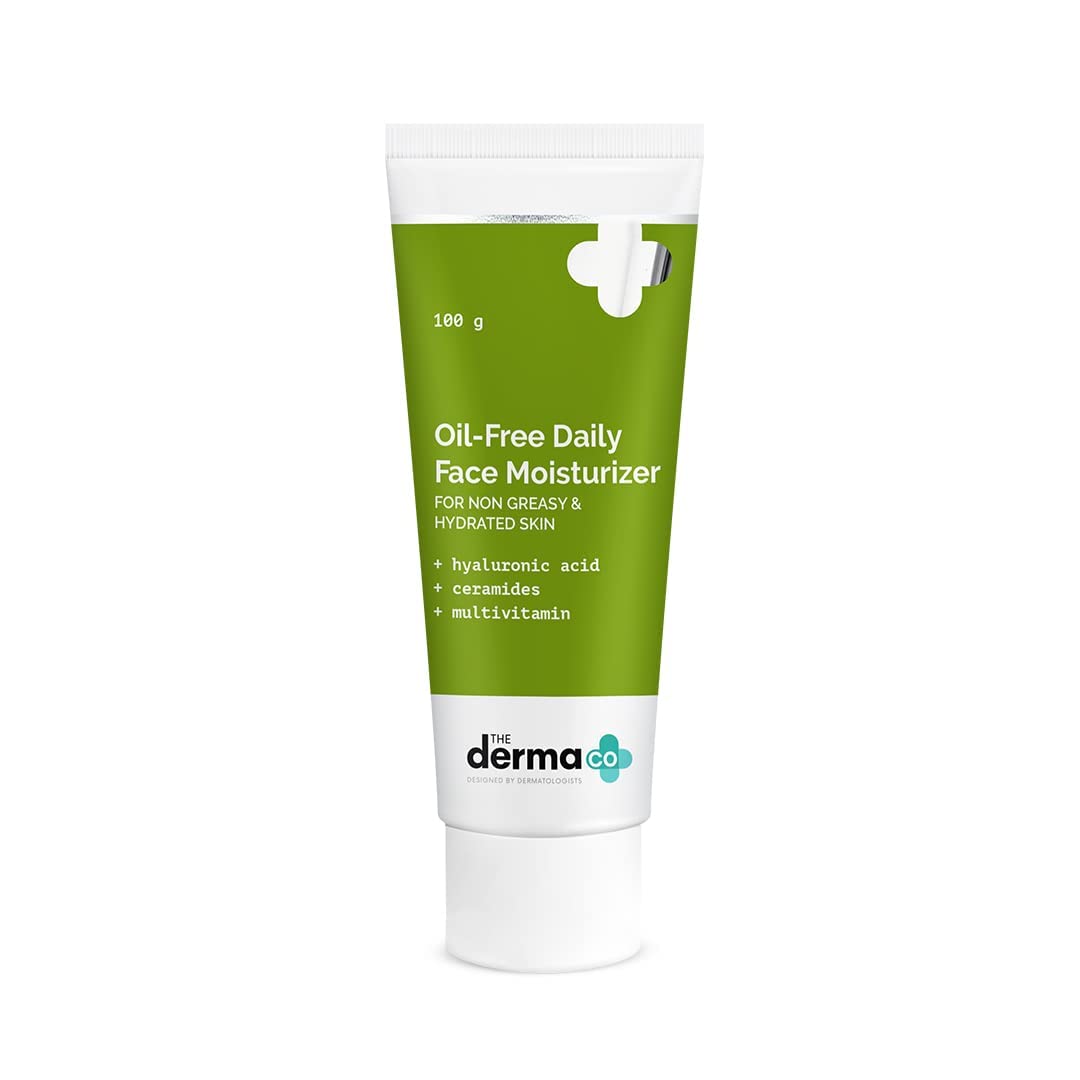
The Derma Co Oil-Free Daily Face Moisturizer
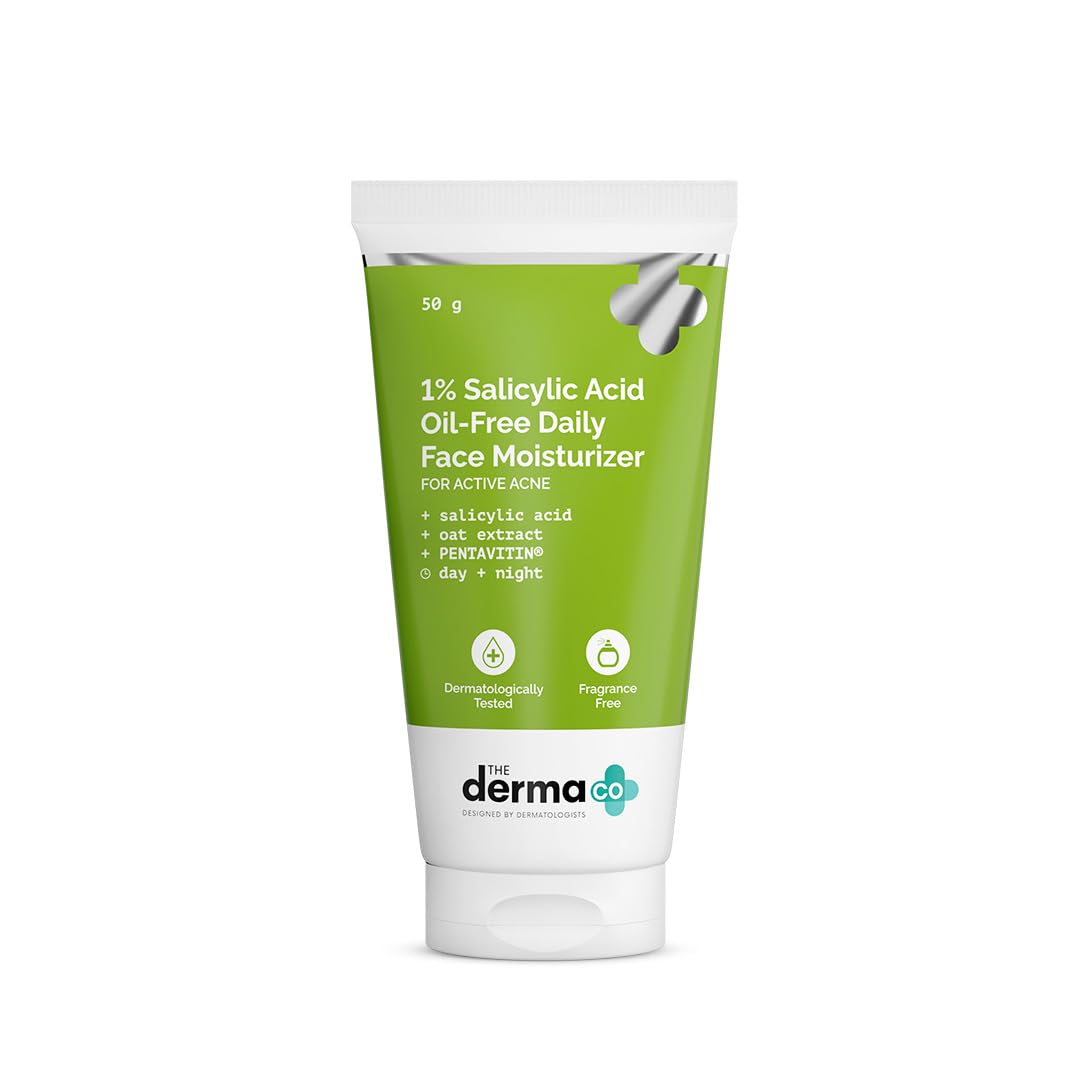
The Derma Co 1% Salicylic Acid Oil-Free Moisturizer
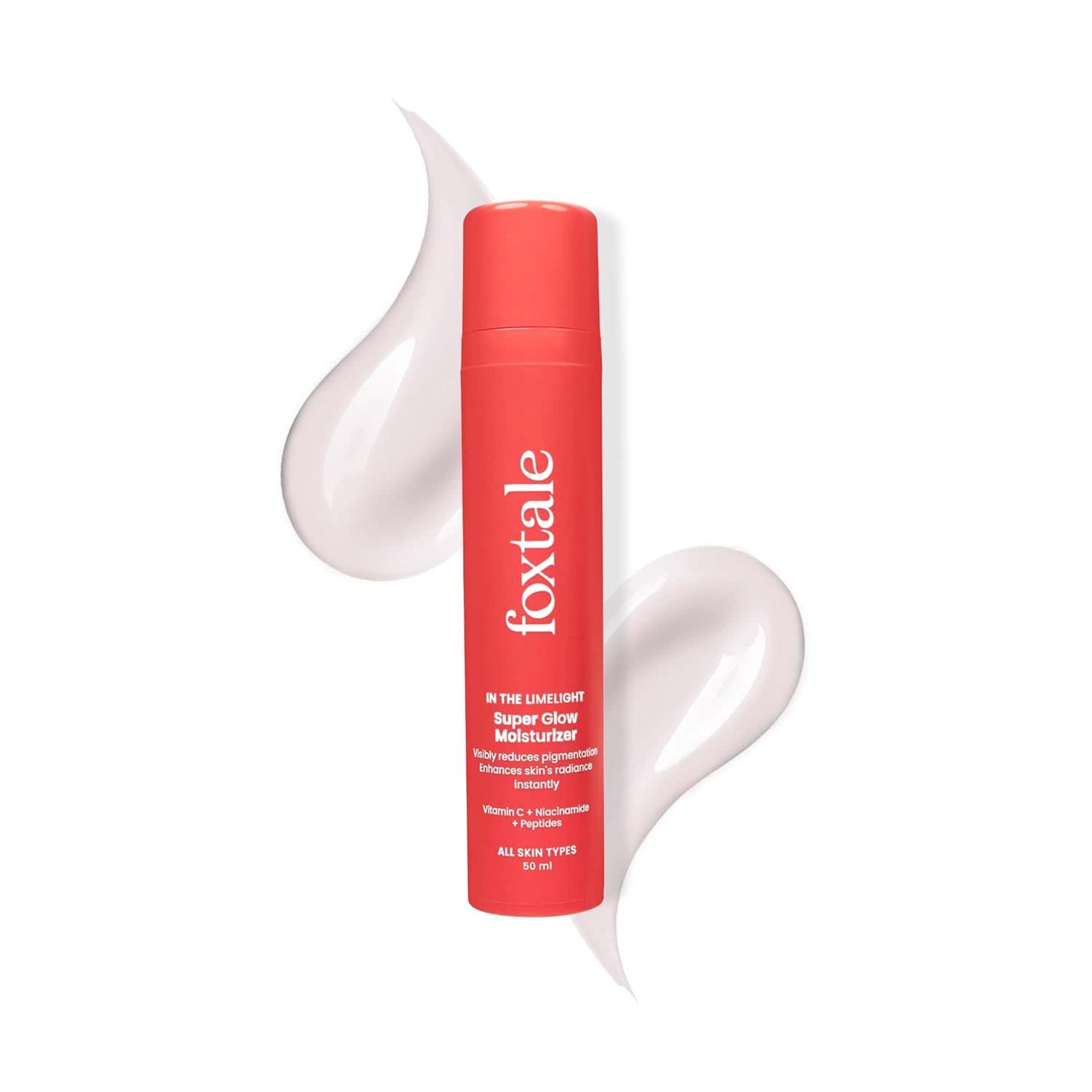
Foxtale Vitamin C Super Glow Moisturizer
Disclaimer
The information, ratings, and recommendations provided on Dermatocare — including ingredient safety scoring, suitability tags, and dermatologist insights — are for educational purposes only and do not constitute medical diagnosis, treatment, or a doctor-patient relationship. Product assessments are based on publicly available ingredient lists and scientific literature; formulations may change without notice, and Dermatocare does not assume liability for inaccuracies, adverse reactions, or product misuse.
Many companies do not regularly update or disclose their full formulations online, which can limit verification. Users are strongly advised to check the latest ingredient list on the actual product packaging before making purchase or usage decisions. No brand has sponsored, influenced, or paid for the recommendations in this review.
Individuals with allergies, sensitive skin, eczema, newborn or paediatric skin concerns, pregnancy, breastfeeding considerations, or chronic medical conditions should seek personalised medical advice before using any product. Patch testing is strongly advised for all age groups. Dermatocare may earn a commission from affiliate links, but this does not influence our safety or efficacy ratings. All trademarks belong to their respective owners.
By using Dermatocare, you acknowledge that product decisions are made at your own discretion and risk, and that you agree to our Terms & Conditions and Privacy Policy.