
Skin Care
The Morning Skincare Routine That Actually Makes a Difference

If your mornings are anything like most people’s, you want skincare that’s effective, fast enough to actually happen, and forgiving enough to survive real life: rushed commutes, dry office air, gym sessions, toddler chaos, winter wind, summer humidity, and the occasional “I slept on my face like a grilled cheese” situation. The good news is that a morning routine doesn’t need a 14-step shrine of bottles to make a visible difference. It needs the right steps, in the right order, with ingredients that work hard and play well together.
A routine that makes a genuine difference has three goals: protect your skin barrier, reduce inflammation and unevenness over time, and prevent damage before it starts. That last one is the big deal. Morning skincare is less about “fixing” and more about building a daily shield. Your evening routine does the repairs; your morning routine decides how much repair you’ll need later.
Below is a morning routine that’s practical, science-informed, and adjustable for different skin types. It’s built around a few non-negotiables, a few optional “power-ups,” and a simple method for choosing products without getting trapped in marketing quicksand.
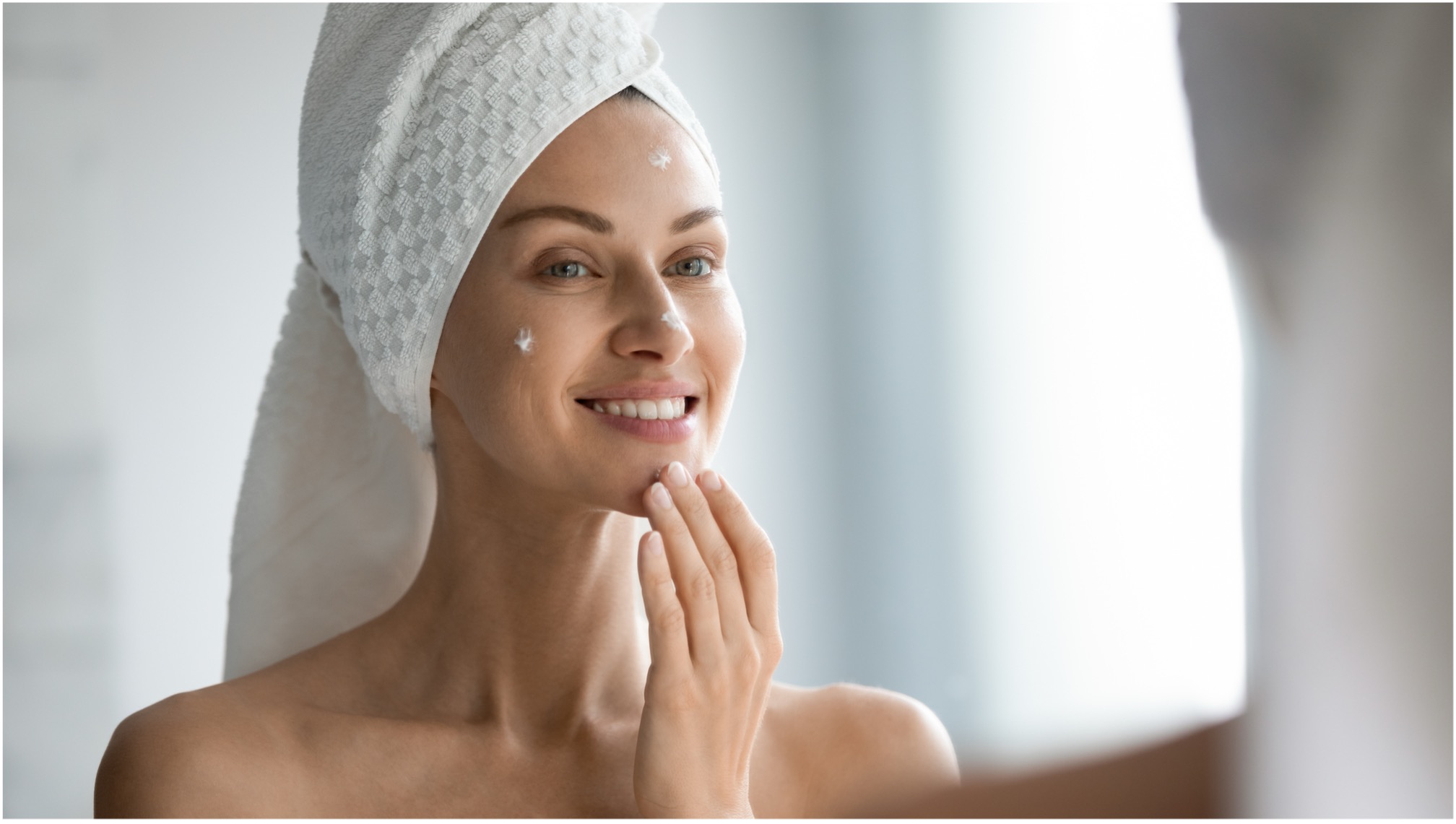
Image via Dreamstime.com
Step 1: Cleanse or Don’t Cleanse (Yes, Really)
Morning cleansing is useful, but not always necessary. Overnight, your skin produces oil, sweats a little, sheds dead cells, and may still have remnants of nighttime products. If you wake up shiny or you used a heavy occlusive at night, a gentle cleanse can help your morning products absorb evenly. If you wake up tight, flaky, or easily irritated, washing with water alone might be the smarter move.
Think of cleansing like sweeping the floor. If you have muddy footprints, sweep. If the floor is already clean, don’t sandblast it.
What to use:
For oily or acne-prone skin: a gentle gel cleanser or a low-percentage salicylic acid cleanser (used a few times a week if daily is too drying).
For dry or sensitive skin: a creamy cleanser or a milky, non-foaming cleanser. Avoid “squeaky clean” finishes.
For normal/combination skin: a mild cleanser, or just lukewarm water and a soft cloth.
How to do it:
Use lukewarm water. Hot water feels heroic in the moment and betrays you five minutes later. Massage cleanser for 20 to 30 seconds, then rinse well. Pat dry, don’t rub. If you’re using actives later, leaving your skin slightly damp before the next step can help hydration and reduce irritation.
Step 3: Hydrate Immediately (The Fastest Way to Look Better)
Hydration is the quickest cosmetic win in skincare. When your skin has enough water, it looks smoother, brighter, and more even. Fine lines soften, makeup applies better, and your face stops giving “I just walked through a desert” energy.
This step can be a hydrating toner, essence, or serum, but the point isn’t the category. The point is water-binding ingredients.
Look for:
Glycerin (an all-star humectant)
Hyaluronic acid or sodium hyaluronate (great, but works best when followed by a moisturizer)
Panthenol (pro-vitamin B5, soothing and barrier-friendly)
Beta-glucan (hydrating and calming)
Aloe, centella, or allantoin (comfort ingredients, especially for sensitive skin)
How to do it:
Apply on damp skin. Use one to two layers if you’re dry or dehydrated. If you’re oily, one thin layer is enough. This step should feel like your skin just took a sip of water, not like you poured syrup on it.
Step 3: Treat with a Morning Active That Pulls Its Weight
This is where routines either start working or stay stuck at “nice but not life-changing.” A morning active should improve your skin gradually and also make your sunscreen work better. Two ingredients shine here: vitamin C and niacinamide. You don’t need both, but you can use them together if your skin tolerates it and the formulas are gentle.
Option A: Vitamin C (For Brightness, Spots, and Protection)
Vitamin C is a powerhouse antioxidant. Used consistently, it can help fade dark spots, improve dullness, and support collagen. In the morning, it also helps neutralize free radicals created by UV exposure and pollution, adding a bonus layer of defense under sunscreen.
What to look for:
L-ascorbic acid (effective, but can be irritating for some and less stable)
Vitamin C derivatives like Ethyl ascorbic acid (often gentler and more stable, though results may be slower depending on the derivative)
How to use it:
Apply after hydration and before moisturizer. If you’re new to vitamin C or sensitive, start a few mornings per week and build up. A slight tingle can be normal; burning is not.
Option B: Niacinamide (For Redness, Oil Control, and Barrier Support)
Niacinamide is the diplomatic ingredient. It plays nicely with most routines, helps regulate oil production, supports the skin barrier, and can reduce redness and uneven tone. If your skin is reactive, acne-prone, or you’re trying to simplify, niacinamide is a great “do-everything” morning option.
What to look for:
Lower to mid-range concentrations often work well; more isn’t always better if you flush or sting easily.
How to use it:
Same as vitamin C: after hydration, before moisturizer. If you’re using both, you can layer them (thinnest to thickest) or choose a product that combines them in a well-formulated blend.
Option C: Azelaic Acid (For Acne, Redness, and Texture)
If your skin struggles with redness, post-acne marks, or bumps, azelaic acid is an underrated hero. It can calm inflammation and brighten uneven tone. Some people use it in the morning, others prefer night; either can work.
The key with any active is consistency. A good ingredient used five days a week for three months beats an “amazing” ingredient used whenever you remember it exists.
Step 4: Moisturize to Lock It In (Barrier First, Always)
Moisturizer in the morning is less about being “extra” and more about keeping your skin stable. A stable barrier is the secret ingredient behind skin that looks calm, smooth, and resilient. If your barrier is unhappy, everything else becomes a drama.
Choose based on your skin type:
· Oily skin: lightweight lotion or gel-cream with glycerin, niacinamide, or ceramides. Yes, oily skin can still need moisturizer.
· Dry skin: creamier moisturizer with ceramides, fatty acids, and cholesterol. These help mimic your skin’s natural barrier structure.
· Sensitive skin: fragrance-free and simple. Look for ceramides, panthenol, colloidal oatmeal, or centella.
· Combination skin: a gel-cream applied more generously on dry areas and lightly on oily areas.
How to do it:
Use a small amount, then adjust. If your skin feels tight after a few minutes, you probably need more. If you look greasy immediately, you might need a lighter texture or less product. Give it 60 seconds to settle before sunscreen.
Step 5: Sunscreen (The Difference-Maker You Can’t Skip)
If you only do one thing in the morning, make it sunscreen. This is the step that truly changes skin over time. Sunscreen prevents the majority of premature aging signals people try to treat later: dark spots, fine lines, texture changes, and loss of firmness. It’s also the most powerful daily habit for reducing skin cancer risk.
A “perfect” routine without sunscreen is like installing a fancy security system and leaving the front door wide open.
How much to use:
Most people under-apply. A practical guide is the “two-finger” method for face and neck (two lines of sunscreen along your index and middle fingers), though product textures vary. Aim for an even, visible layer, then let it set.
SPF tips that actually matter:
Use broad-spectrum protection.
Apply as the last step of skincare, before makeup.
If you’ll be outside for extended periods, reapply every two hours. If you’re mostly indoors, reapplication matters most if you sit near windows or go out midday.
Don’t forget ears, neck, and the upper chest if exposed.
If you hate sunscreen, it’s usually a formula problem, not a “you” problem. Try different textures: fluid, gel, milk, cream. There are sunscreens that feel like nothing and others that feel like frosting. Your mission is to find a “nothing” one.
Optional Add-Ons That Can Make a Big Difference (If You Actually Use Them)
You don’t need these, but they can help if they fit your goals and tolerance.
Eye Area Hydration (For Comfort More Than Miracles)
An eye cream isn’t mandatory. A good moisturizer works for many people. If you get dryness or concealer creasing, a small amount of lightweight hydration around the eyes can help. Avoid heavy layers that migrate into eyes and cause watering.
Antioxidant Mist or Essence (For Dry Offices and Winter Air)
If you’re in a dry climate or heated indoor air, a hydrating mist over makeup can improve comfort. Look for glycerin-based formulas. Just remember: a mist alone evaporates quickly unless you’ve already moisturized.
Spot Treatment (Target, Don’t Carpet-Bomb)
If you’re acne-prone, use benzoyl peroxide or salicylic acid as a targeted treatment rather than slathering your whole face daily, which can irritate and backfire. The goal is fewer angry flare-ups, not a face that feels like it’s negotiating peace talks.
A Simple Routine Blueprint You Can Copy-Paste
If you want the routine in a clean order, here it is:
1. Gentle cleanse (or rinse)
2. Hydrating layer (toner/essence/serum)
3. Treatment active (vitamin C or niacinamide or azelaic acid)
4. Moisturizer
5. Sunscreen
That’s it. Five steps max, and you can make it three on busy mornings: rinse, moisturize, sunscreen. Your skin will still thank you.
How to Customize This for Your Skin Type
If You’re Oily or Acne-Prone
· Cleanse gently in the morning.
· Use niacinamide or azelaic acid.
· Choose a lightweight moisturizer.
· Use a sunscreen with a natural or soft-matte finish if shine bothers you.
· Avoid stacking too many actives; irritation can trigger more oil and breakouts.
If You’re Dry or Dehydrated
· Consider skipping cleanser or using a milky cleanser.
· Double down on hydration layers.
· Use a richer moisturizer, especially in winter.
· Choose a sunscreen that’s more moisturizing rather than drying.
If You’re Sensitive or Reactive
· Keep the routine simple and consistent.
· Patch test actives, introduce one at a time, and go slow.
· Look for fragrance-free products and barrier-supporting ingredients (ceramides, panthenol, colloidal oatmeal).
· Sunscreen is still essential; pick a formula that doesn’t sting.
If You’re Dealing with Dark Spots or Uneven Tone
· Vitamin C in the morning is a strong choice.
· Sunscreen is non-negotiable, and reapplication matters when you’re outside.
· Be patient; fading discoloration is measured in weeks and months, not days.
The Most Common Reasons Morning Routines “Don’t Work”
1. No sunscreen or not enough sunscreen. This is the #1 reason.
2. Too many actives at once. Irritated skin looks worse, not better.
3. Inconsistent use. Skincare is a slow-burn novel, not a jump-scare.
4. Using harsh cleansers that strip the barrier, then trying to fix the damage with more products.
5. Expecting instant results from long-term goals like fading spots or smoothing texture.
What “Making a Difference” Looks Like (Realistic Timeline)
Same day: better hydration, smoother texture, makeup sits better.
2 to 4 weeks: calmer skin, fewer flaky patches, less visible dullness.
6 to 12 weeks: more noticeable improvements in tone, post-breakout marks, and overall brightness.
3 to 6 months: stronger results in pigmentation and fine lines, especially with consistent sunscreen use.
If your routine is doing its job, your skin will start feeling more predictable. Less “surprise!” and more “I know what you’re going to do today.” That predictability is the quiet superpower of a well-built routine.
The Bottom Line
The morning skincare routine that actually makes a difference isn’t complicated. It’s consistent. It prioritizes hydration and barrier support, uses one smart treatment step, and finishes with sunscreen like it’s a daily appointment you keep. When you do those things, your skin spends less time putting out fires and more time doing what it’s designed to do: stay calm, resilient, and quietly radiant.