
Key Ingredients
How Studying Individual Skin Cells Reveals Deeper Insights Into Skin Biology
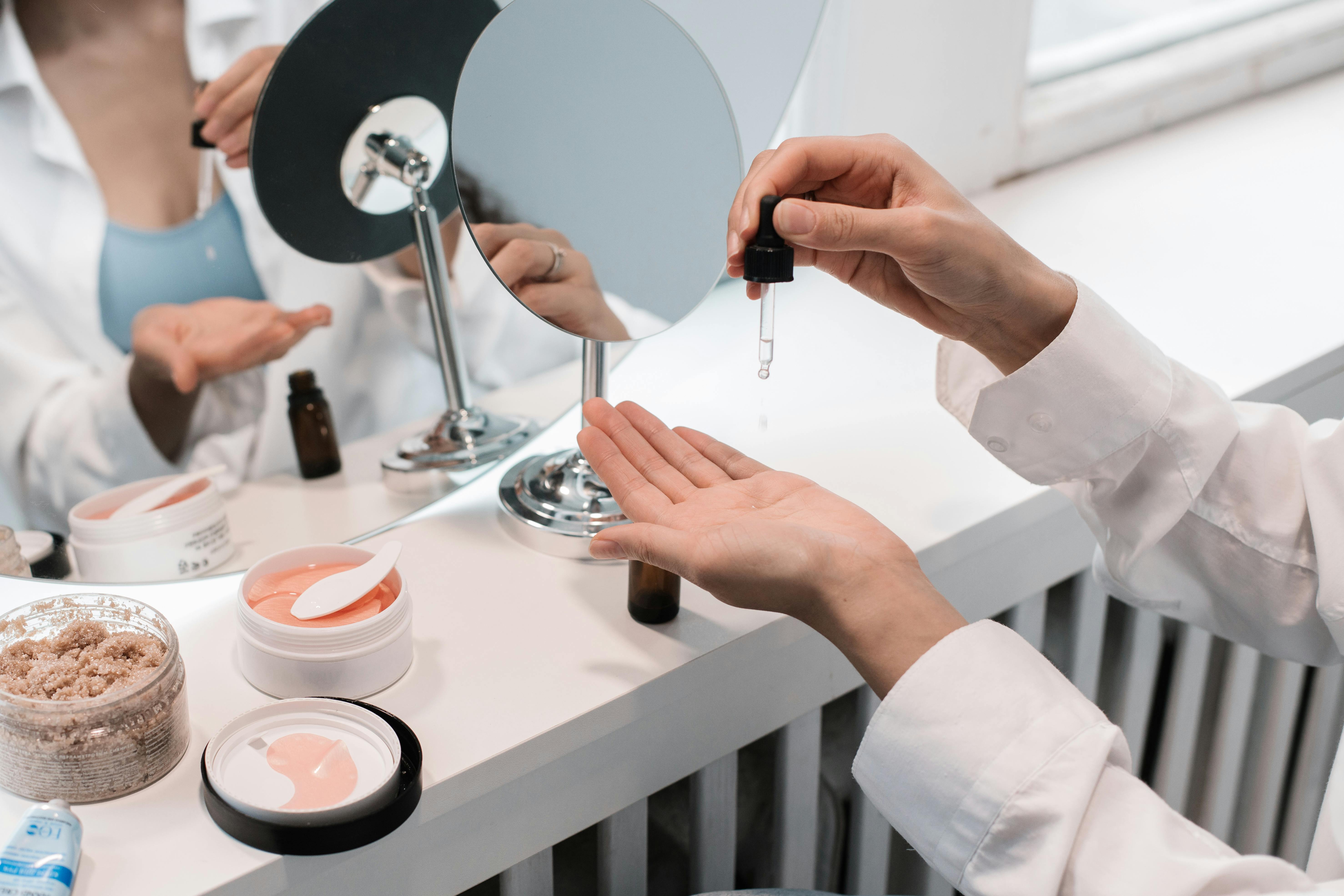
Think about your skin. It feels like one continuous sheet. A simple barrier. That is an illusion. Your skin is a bustling city of cells. It is a complex and dynamic ecosystem. Each square inch contains millions of individual residents. They are not all the same.
For decades, scientists studied skin in bulk. They ground up samples. This provided an average view. It was like listening to a whole city's noise. You hear the crowd, but miss every conversation.
Modern technology changes this. We can now listen to each citizen. Studying individual skin cells reveals profound truths. It uncovers secrets of health, aging, and disease.
The End of the Average
Bulk analysis created a blurry picture. It masked incredible diversity. A skin sample contains many cell types. Keratinocytes form the tough outer layer. Melanocytes produce pigment. Immune cells stand guard. Fibroblasts provide structure. Within each group, there is further variation. Bulk methods could not see this.
The science of single cell omics provides a powerful solution. This approach analyzes the complete molecular profile of individual cells. It reads their genetic activity. It identifies their unique functions. We move from a population average to a detailed census. Every cell gets a voice.
Mapping the Cellular Neighborhoods
Your skin is not flat. It has distinct layers and zones. Each area has a specific job. Single-cell studies act as a biological cartographer. They map exactly which cells live where. Researchers can see how fibroblasts in the deep dermis differ from those near the surface. They can track how a keratinocyte changes as it journeys upward.
This reveals the precise rules of skin architecture. We learn how this organ builds and maintains itself. It is the ultimate blueprint for healthy skin
Unmasking the Hidden Players
Every community has rare but critical members. Skin is no different. Single-cell analysis excels at finding these hidden players. It can identify a tiny population of stem cells. These cells are crucial for repair and regeneration.
It can find rare sensory cells with unique jobs. It spots transitional cells that are changing from one type to another. These rare populations are often the master regulators. They hold the keys to healing and renewal. Bulk methods completely missed them.
The True Story of Inflammation
Skin conditions like psoriasis or eczema involve inflammation. Bulk studies showed a generic "inflammatory state." This was not helpful. It was like saying a city has traffic without naming the blocked streets.
Single-cell technology changes the game. It identifies which exact cells are overreacting. It reveals the specific inflammatory signals they send. Doctors can see if immune cells or skin cells are the main agitators. This precision is revolutionary. It points to exact molecular targets for new, smarter treatments.
Decoding the Aging Process
Why does skin age? Wrinkles appear. Elasticity fades. Healing slows. Single-cell studies provide a detailed answer. They show how different cell populations decline. Some fibroblast groups stop producing collagen. Certain stem cell pools become exhausted. Communication between cells breaks down. We see not just the effect, but the exact cellular causes.
This knowledge is powerful. It can guide the development of products and therapies. These interventions would target the specific cells that fail first.
Personalizing Skin Science
Everyone's skin is unique. It reacts differently to sun, stress, and products. Single-cell profiling makes true personalization possible. A dermatologist could analyze a patient's specific skin cell populations. They could see a person's unique inflammatory signature. They could identify their personal repair capacity.
This moves skincare from generic guesswork to precise science. Treatments, both clinical and cosmetic, can be tailored. They would match an individual's cellular reality.
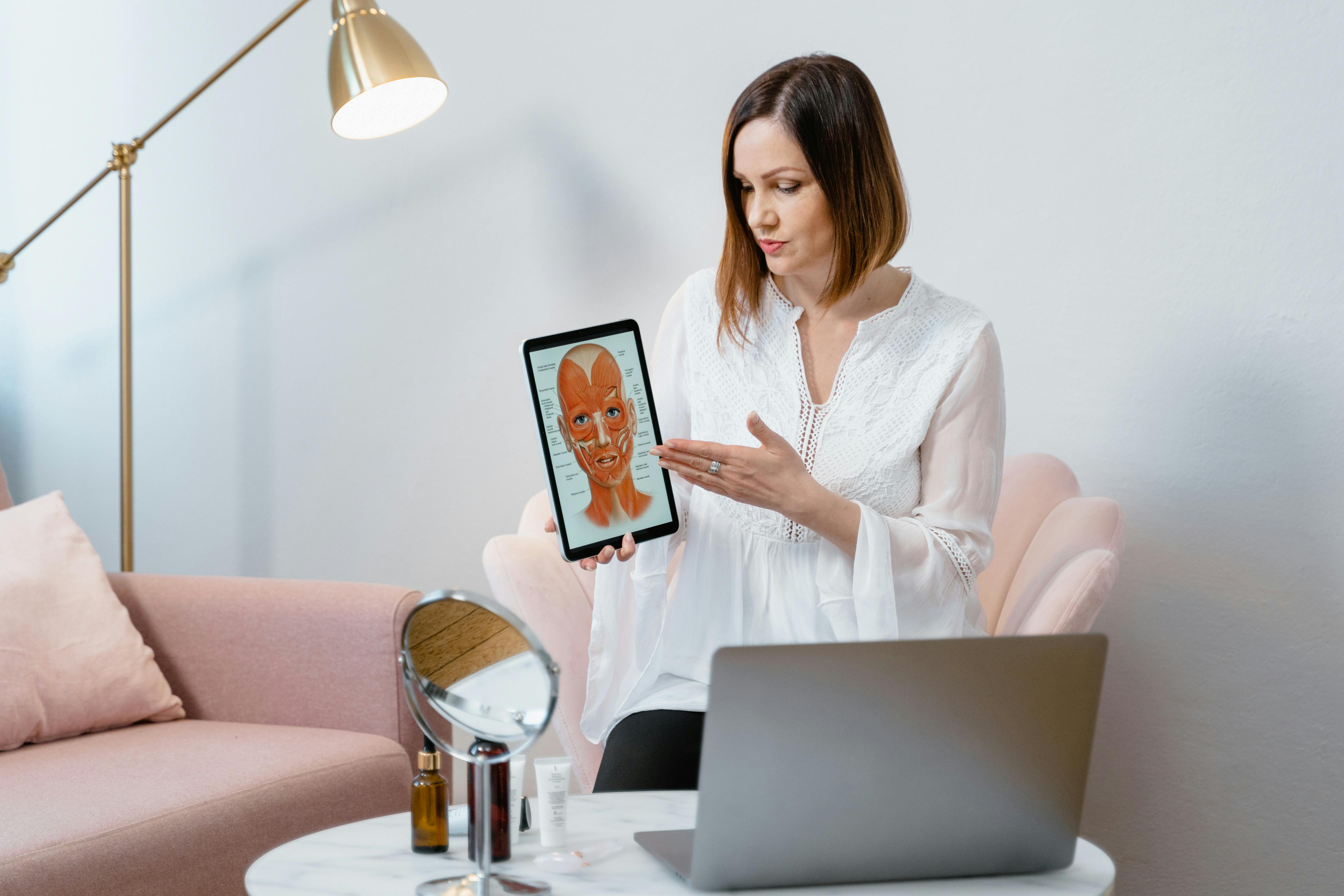
The Future of Healing and Regeneration
The deepest insights concern repair. How does skin heal a wound perfectly? Single-cell studies track this process in real time. Scientists observe which cells rush to the site. They see how they communicate. They watch new tissue form cell by cell.