
Skin Care
How Different Skincare Ingredients Interact With Skin at the Microscopic Level
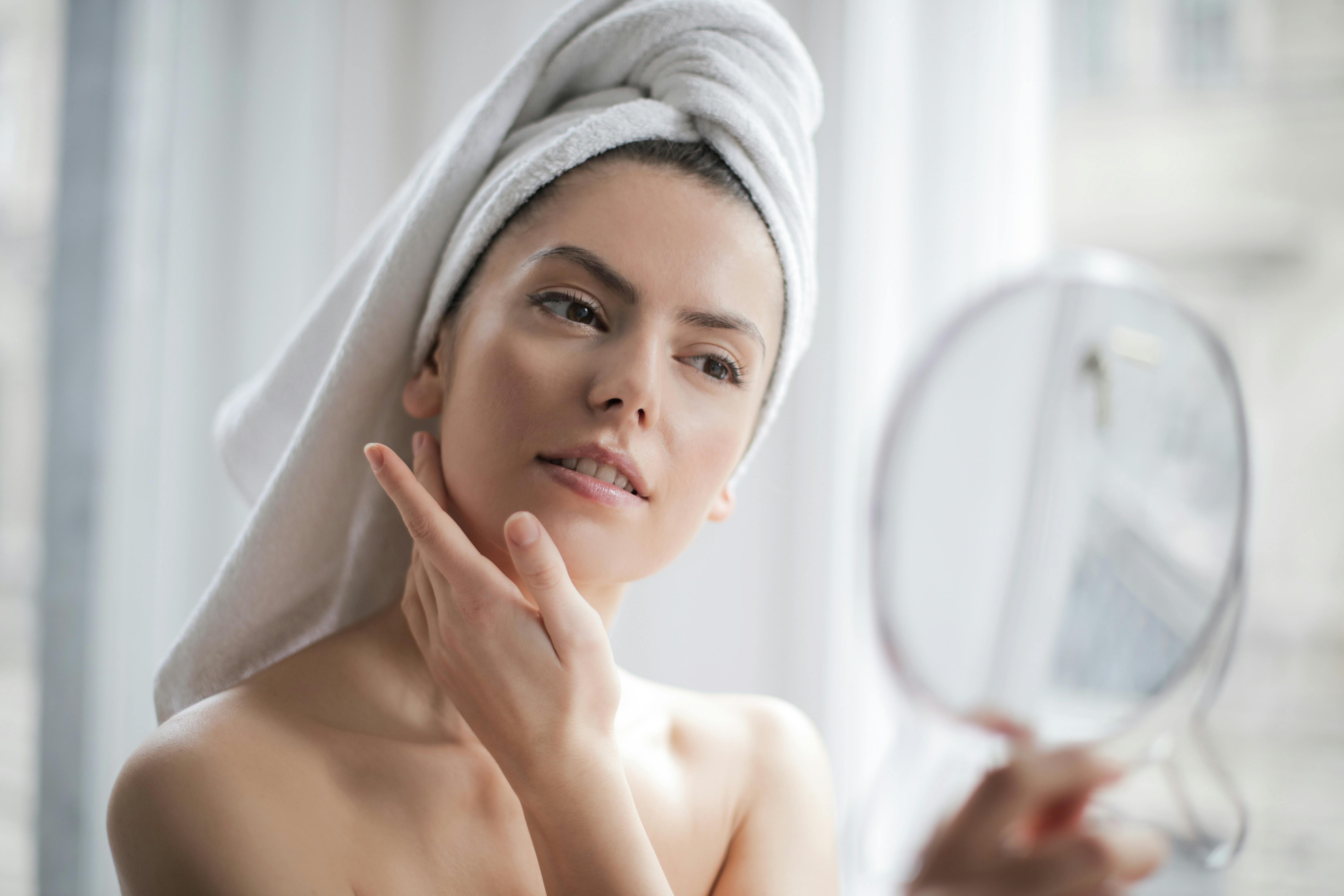
Most people think about skincare on the surface. They focus on glowy cheeks. They want smooth lines. They hope for brighter tones. But the real action happens deeper. The skin never stops shifting. It responds to everything you apply. It reacts in ways you cannot see with the naked eye. The story gets much more interesting when you shrink it down to the microscopic level.
A Closer Look at Ingredients in the Lab
Researchers spend a lot of time watching skin reactions under advanced tools. One tool that often pops up in this work is the fluorescence microscope. It reveals tiny signals. It shows movements inside skin cells. It highlights how ingredients behave once they sink below the surface. These images help scientists understand the deeper effects of each formula. They also help brands refine their products.
Each ingredient has its own pathway. Some settle into the outer layer. Some move deeper into the structure. Some stay active for longer. Others work fast but fade quickly. The microscope brings the full journey into focus. It gives a clear picture of how the skin handles each substance.
How Hydrators Move Through Skin
Hydrating ingredients get a lot of attention in skincare. People rely on them when the skin feels tight. Many formulas use small molecules. These molecules sneak through tiny gaps between cells. They pull moisture toward the skin. They hold it in place for a stable feel.
At the microscopic level, these molecules move like tiny travelers. They float through pathways that open and close throughout the day. Each pathway influences the final result. Some ingredients sit near the surface. Others drop deeper and offer a more lasting effect. Researchers use these patterns to create balanced formulas. They aim for hydration that stays even when the skin shifts through daily stress.
How Exfoliants Interact With Cells
Exfoliants have a very different role. They clear old cells. They smooth rough patches. They brighten dull areas. But their work starts long before you see any visible change. Under the microscope, exfoliants loosen bonds between dead cells. They break up debris that clings to the surface. The process looks like gentle pushing and lifting.
The reaction depends on the type of exfoliant. Some work with slow and steady action. Others move faster. The goal is always the same. The skin needs a clean surface so fresh cells can rise. If the ingredient is too strong, the reaction looks chaotic under the microscope. That is how scientists know when a formula needs adjustment. They check for irritation signals. They check for stress patterns. They refine the balance until the skin stays calm.
How Brightening Ingredients Behave Deep Down
Brightening ingredients follow another unique path. They interact with pigment cells. These cells sit deeper in the skin. They carry small structures that control tone. Under the microscope, brightening compounds move toward these cells. They disrupt signals that trigger dark spots. They also slow down certain reactions that create uneven patches.
Some ingredients spread evenly. Others cluster in specific zones. The pattern matters because it changes the final look of the skin. Even distribution leads to steady brightening. Uneven distribution leads to patchy results. Researchers study these movements to push for smoother tone control. They want brightening effects that look natural and stable
How Calming Ingredients Protect the Skin
Calming ingredients approach the skin in a different way. Their goal is comfort. They calm reactions. They support the barrier. They keep the environment inside the skin steady. When viewed under a microscope, these ingredients cling to stressed cells. They form a soft layer that shields them. They reduce movement in sensitive areas. The skin responds by settling down.
These ingredients can also guide repair work. They encourage cells to rebuild the barrier. They help proteins align. They reduce the appearance of tiny cracks that form when the skin dries out. Scientists observe these soothing patterns to ensure the formula works in a gentle way. They watch for slow and steady improvements. They avoid fast reactions that could lead to sensitivity.
How Anti-Aging Ingredients Influence Cell Behavior
Anti-aging ingredients dive even deeper. Their main job is to encourage firmness. They support structure. They talk to the skin through microscopic signals. These signals guide the production of vital proteins. Under the microscope, these ingredients create a chain of reactions inside the cell. The reactions move outward. They strengthen the framework that keeps skin firm.
Some anti-aging compounds sit near supportive fibers. Others stimulate activity inside the cell. The path depends on the formula. Scientists track these effects to build products that stay active for the right amount of time. They look for slow but steady changes. They avoid reactions that push the skin too fast.
Why All These Interactions Matter
The skin is never still. It reacts with precision. It responds to temperature. It adjusts to light. It shifts with stress. Every ingredient you apply enters a living system. That system works through tiny structures and signals. When researchers study ingredients under the microscope, they see a world that is full of motion. Nothing is random. Everything connects.
This view helps brands create better products. It also helps people understand why skincare takes time. Good reactions are slow. They follow natural rhythms. They build on one another. The microscopic view explains why ingredients must be balanced. It also explains why simple routines sometimes work better than crowded ones