
Harmful ingredients
Fragrance in Skincare and Haircare: Dermatologist’s View
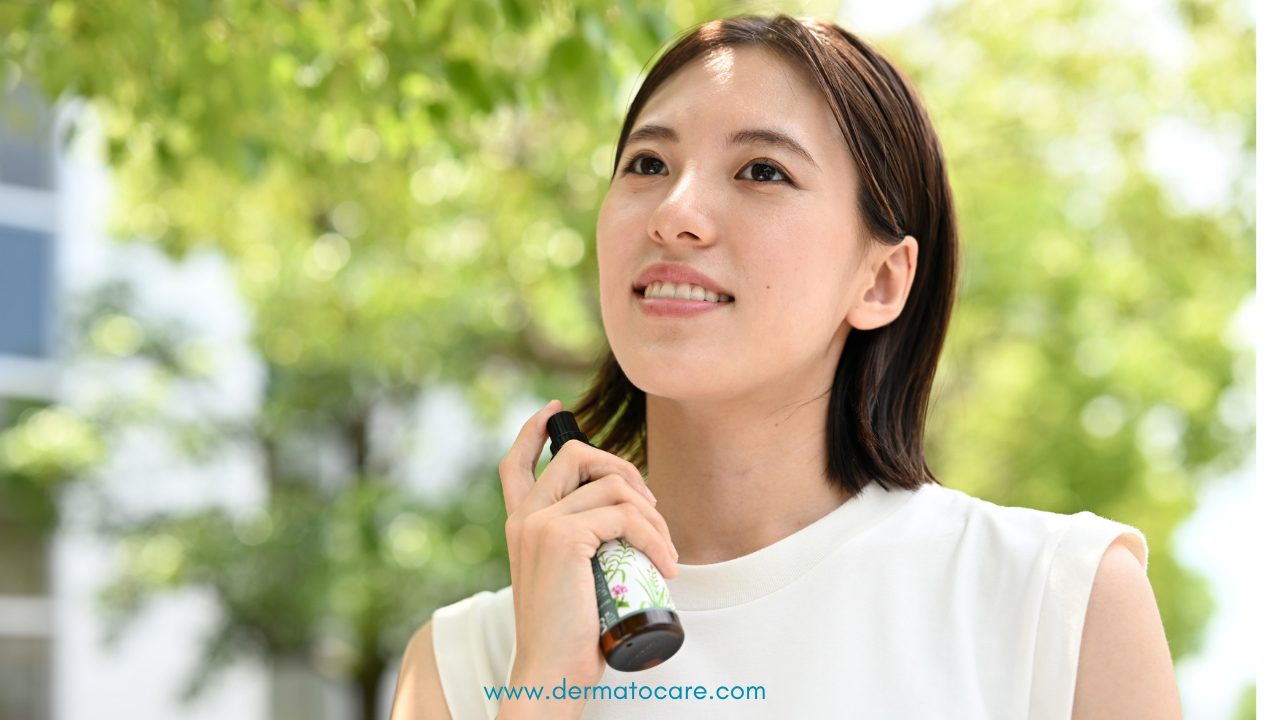
Fragrance is one of the most ubiquitous and least transparent ingredients in cosmetic formulations. While it enhances consumer appeal through pleasant sensory experiences, it is also a leading cause of allergic contact dermatitis. It is increasingly under scrutiny for its impact on sensitive skin and environmental health.
In this article, we provide a dermatologist’s analysis of the function of fragrance, its sources, allergenic potential, and regulatory concerns, especially for sensitive individuals and eco-conscious users.
What Is Fragrance?
“Fragrance” or “Parfum” in a cosmetic label typically refers to a complex blend of dozens or even hundreds of synthetic or natural aromatic compounds. These are added to improve the sensory profile of skincare and haircare products.
Despite being a single word on an ingredient list, fragrance can mask up to 3,000 different chemicals, many of which are not disclosed due to trade secret protections.
Use of Fragrance in Skincare and Haircare
Skincare Products
Moisturizers, serums, cleansers, toners, sunscreens
Intended to mask unpleasant base ingredients or enhance sensory appeal
Haircare Products
Shampoos, conditioners, styling products, scalp treatments
Designed to leave a lingering scent on hair and scalp
Common Fragrance Types
Fragrance Type | Examples | Concerns |
|---|---|---|
Essential oils | Lavender, tea tree, citrus oils | Natural, but can be allergenic or phototoxic |
Synthetic aroma compounds | Linalool, Limonene, Coumarin, Benzyl alcohol | Common allergens; may oxidize on skin |
Fixatives and preservatives | Phthalates (e.g., DEP), BHT | Endocrine disruption, environmental persistence |
Masking agents | Musk ketone, Galaxolide | Persistent in body tissues and water systems |
Regulatory note: The EU requires the declaration of 26 fragrance allergens on cosmetic labels if above threshold concentrations. This rule does not exist in most other jurisdictions.
List of 26 EU-Regulated Fragrance Allergens
No. | INCI Name | Common in |
|---|---|---|
1 | Amyl Cinnamal | Floral perfumes, jasmine-scented products |
2 | Benzyl Alcohol | Preservative and fragrance component |
3 | Cinnamyl Alcohol | Spicy or cinnamon-type fragrances |
4 | Citral | Citrus oils (e.g., lemongrass, lemon peel) |
5 | Eugenol | Clove oil, perfumed cosmetics |
6 | Hydroxycitronellal | Floral scents, especially lily-of-the-valley |
7 | Isoeugenol | Ylang-ylang oil, spicy scents |
8 | Amylcinnamyl Alcohol | Jasmine, floral fragrances |
9 | Benzyl Salicylate | Used for sweet, floral notes (lily, heliotrope) |
10 | Cinnamal | Cinnamon bark oil, spicy perfumes |
11 | Coumarin | Tonka bean, sweet almond-type fragrances |
12 | Geraniol | Rose oil, palmarosa oil |
13 | Anise Alcohol | Anise, fennel oils |
14 | Benzyl Cinnamate | Balsamic and floral perfumes |
15 | Farnesol | Neroli, citronella, and orange blossom oil |
16 | Butylphenyl Methylpropional (Lilial)* | Synthetic lily scent (now banned in EU) |
17 | Linalool | Lavender, bergamot, coriander oil |
18 | Benzyl Benzoate | Fixative, jasmine oil |
19 | Citronellol | Geranium, rose oil |
20 | Hexyl Cinnamal | Jasmine, floral perfumes |
21 | Limonene | Orange, lemon, lime peel oils |
22 | Methyl 2-Octynoate (Methyl heptine carbonate) | Violet-type scents |
23 | Alpha-Isomethyl Ionone | Violet and orris-based synthetic fragrance |
24 | Evernia Prunastri Extract (Oak moss) | Earthy, woody perfume notes |
25 | Evernia Furfuracea Extract (Tree moss) | Green, foresty scent base notes |
26 | Hydroxyisohexyl 3-Cyclohexene Carboxaldehyde (Lyral)* | Synthetic floral (banned in EU) |
Note:
Lilial (No. 16) and Lyral (No. 26) have been banned in the EU due to strong allergenic potential and/or potential endocrine disruption.
Side Effects and How to Avoid
Skin
Allergic Contact Dermatitis (ACD): Fragrance is one of the top causes of ACD worldwide.
Irritant Dermatitis: Even non-allergic individuals may experience burning or stinging sensations, especially in those with rosacea, eczema, or barrier-compromised skin.
Photosensitivity: Citrus and certain essential oils can cause phytophotodermatitis when exposed to sunlight.
Cumulative Sensitization: Repeated exposure over time increases the risk of allergy development.
Hair and Scalp
Scalp Sensitivity: Fragrance can contribute to itching, flaking, or inflammation in sensitive scalps.
Contact Urticaria: Rare immediate-type allergic reactions presenting as redness or hives.
Environmental
Fragrance compounds are known environmental pollutants, particularly when they include synthetic musks, phthalates, or non-biodegradable fixatives:
Aquatic toxicity: Many synthetic fragrance components accumulate in aquatic organisms.
Air contamination: Volatile organic compounds (VOCs) from fragranced products contribute to indoor and outdoor air pollution.
Persistence in wastewater: Conventional treatment plants cannot fully degrade these compounds.
Avoid fragrances if:
Avoid fragrance in your skincare or haircare routine if you:
Have sensitive skin, eczema, rosacea, or acne-prone skin
Are prone to allergies or have a history of contact dermatitis
Are pregnant, as certain fragrance ingredients (like phthalates) may disrupt hormone balance
Are immunocompromised, where barrier disruption risks need to be minimized
Are committed to clean, minimal, or environmentally conscious beauty practices
Fragrance-Free vs Unscented vs Hypoallergenic
Label | Definition |
|---|---|
Fragrance-Free | No fragrance ingredients, synthetic or natural, are added |
Unscented | May still contain masking fragrances to neutralize odor |
Hypoallergenic | Not standardized; may still contain known allergens unless specified |
Formulations labelled "for sensitive skin" or certified EWG Verified, EU Allergy Certified, or NATRUE are more likely to avoid hidden fragrance allergens.
Conclusion
Fragrance may enhance the sensory appeal of cosmetics, but its allergenic potential, poor regulatory transparency, and ecological persistence call for cautious use, especially in leave-on skincare products.
At Dermatocare, we recommend:
Choosing fragrance-free or low-fragrance products, especially for facial skincare.
Reading labels carefully—even essential oils can irritate.
Avoiding “Parfum” and “Fragrance” if you are dealing with acne, rosacea, perioral dermatitis, or eczema.
Checking our Regime Finder Tool to locate fragrance-free routines suitable for sensitive skin types.
References
EU Cosmetic Regulation 1223/2009 – List of 26 fragrance allergens
Contact Dermatitis Society Reports – Fragrance: Leading cause of ACD
American Academy of Dermatology (AAD) – Fragrance and sensitive skin
PubMed ID 24823565 – Sensitization to fragrance mix I and II
Environmental Working Group (EWG) – Fragrance ingredients and environmental impact
Scientific Committee on Consumer Safety (SCCS) – Opinion on fragrance allergens