
Harmful ingredients
Endocrine Disruptors and Early Puberty: Dermatologist Research
Puberty is beginning earlier than ever before. Studies across the globe, including India, reveal that girls today are reaching menarche (their first periods) and showing signs of breast development significantly sooner compared to previous generations. This worrying trend has been linked not only to nutrition and lifestyle changes but increasingly to endocrine disruptors (EDCs) — hidden chemicals found in skincare, plastics, food packaging, and the environment. As a dermatologist, I’ve reviewed the scientific evidence to help families understand these risks and take practical steps to reduce exposure.
Declining Age of Puberty
Indian Evidence: A North Indian study showed that the average age at menarche has declined from 13.9 years in the 1950s to 13.5 years in the 2000s to 12.43 year in 2011.
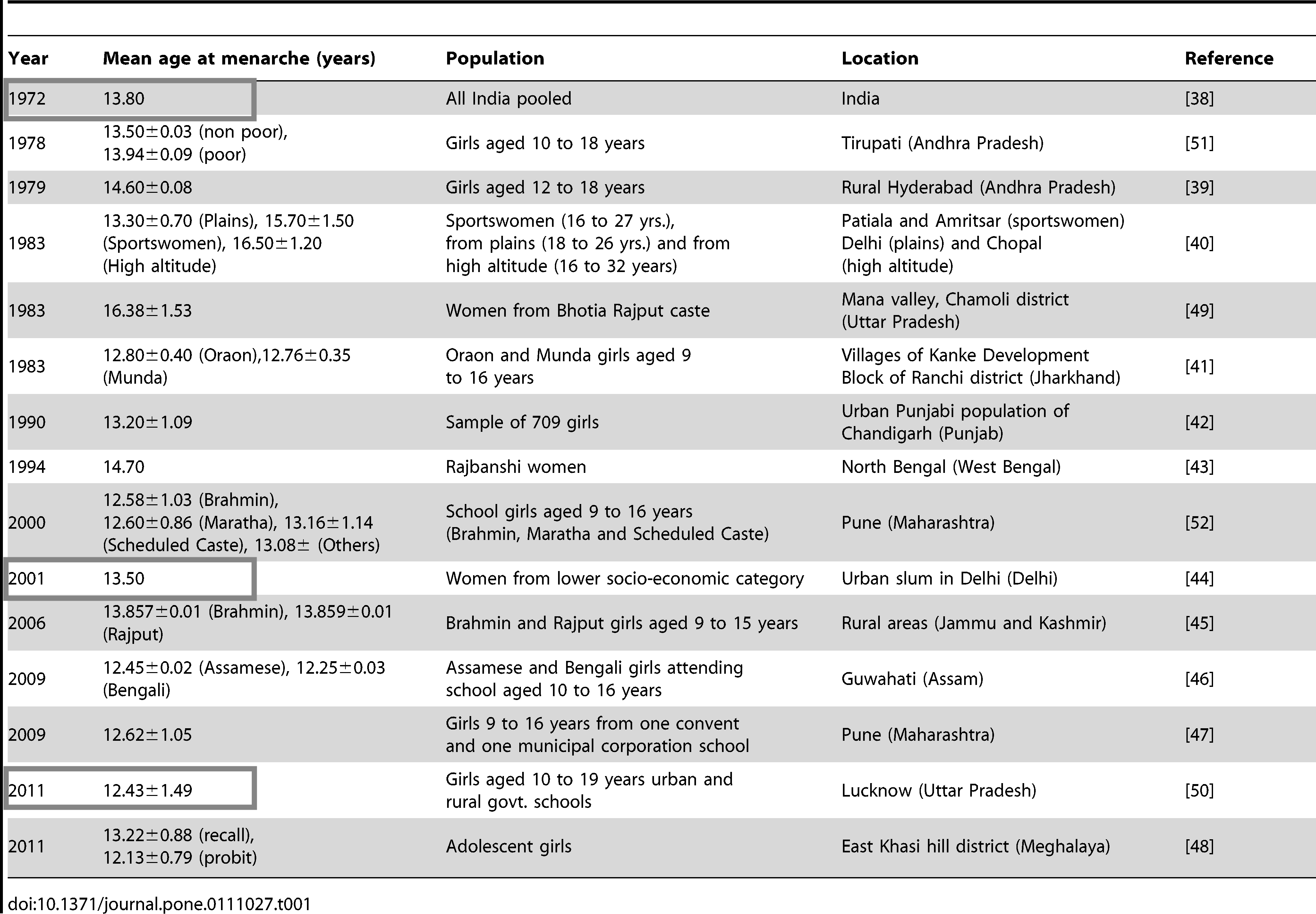
Global Evidence: International data confirms that girls are beginning puberty almost 1 year earlier. Breast development, which began at around 11 years in the 1970s, is now seen at 9 years of age in many populations.
What Are Endocrine Disruptors?
Endocrine disruptors are chemicals that mimic or block natural hormones, disrupting the endocrine system. Hormones regulate puberty, fertility, weight, mood, metabolism, and even skin health. EDCs can therefore interfere with the timing of puberty and reproductive development.
Common Examples:
Bisphenol A (BPA): Found in plastics and food packaging.
Phthalates & Musk Ambrette: Hidden in fragrances used in skincare, perfumes, and cleaning products.
Chemical Sunscreens: Oxybenzone (BP-3), Octinoxate, Octocrylene, Homosalate, and others.
Evidence That Skincare Chemicals Enter the Body
A 2019 study (Harley KG et al., Environmental Health Perspectives) examined 100 teenage girls. Those who used skincare and makeup daily had much higher urinary levels of phthalates, parabens, and benzophenone-3 compared to those who rarely used them. This proves that chemicals applied on the skin can be absorbed and circulate in the bloodstream.

Human Studies Linking EDCs to Early Puberty
Wolff et al., 2010 (NY Girls Puberty Study): Higher urinary phthalates, phenols, and BPA were linked to earlier breast development.
Biro et al., 2010: Found U.S. girls are entering puberty significantly earlier than past generations, with environmental chemicals as contributing factors.
Harley et al., 2019 (CHAMACOS): Daily use of personal care products was associated with higher EDC exposure and earlier puberty milestones.
Pathak et al., 2014 (India, IHDS Survey): Confirmed a downward trend in menarche age across Indian cohorts.
Patel et al., 2020 (Review, PMC7139481): Summarized 20 studies on phthalates, 15 on BPA, and 12 on pesticides/POPs linking them to earlier puberty.
Giannini et al., 2022: Found that girls with higher urinary levels of benzophenone-3 (oxybenzone, a sunscreen filter) experienced earlier breast development and altered hormone levels.
Sunscreens as a Major Source of EDCs
A 2023 MDPI review (Applied Sciences) concluded:
Most chemical sunscreen filters act as EDCs, except octisalate and avobenzone.
The EU has banned or restricted oxybenzone, octinoxate, octocrylene, 4-MBC, and PABA derivatives, and tightened limits on homosalate.
The U.S. bans PABA and trolamine salicylate but has not yet approved safer filters like Tinosorb S and M.
India continues to allow most chemical filters, including oxybenzone and octocrylene.
Mineral sunscreens with zinc oxide or titanium dioxide remain the safest and least absorbed options.
Why Early Puberty Matters
Early puberty is not just a cosmetic or social concern. It is linked with:
Higher risk of obesity, diabetes, and cardiovascular disease
Increased chances of hormone-related cancers (breast, prostate, testis)
Greater risk of psychosocial problems during adolescence
Practical Checklist to Reduce EDC Exposure
Here are 12 evidence-based steps families can take:
Avoid plastic bottles & lunch boxes → use glass or steel.
Don’t microwave food in plastic.
Skip non-stick cookware (PFAS risk).
Choose fragrance-free skincare & cleaning products.
Limit makeup use in children and teens.
Wash fruits & vegetables thoroughly.
Prefer organic produce when possible.
Avoid canned food (BPA in linings).
Use mineral sunscreens (zinc oxide, titanium dioxide).
Reduce air fresheners & scented candles.
Check labels → avoid parabens, triclosan, oxybenzone, homosalate.
Rely on trusted reviews → Dermatocare provides Safety Badges only to safe products.
Conclusion
The rise in early puberty is a public health concern, with strong evidence linking endocrine disruptors from skincare, packaging, and the environment. As parents and consumers, the best step is to reduce exposure at home by making safer choices. From avoiding plastic bottles to choosing mineral sunscreens, small changes can protect children from long-term risks.
At Dermatocare, we screen products ingredient-by-ingredient and clearly label them as chemical, mineral, or hybrid. Before you pick skincare for your child, visit Dermatocare.com — because what looks safe on the label may hide chemicals that change your child’s future.
References
Harley KG, Kogut K, Parra K, et al. (2019). Personal care product use as a predictor of urinary concentrations of phthalates, parabens, and phenols in adolescent girls. Environmental Health Perspectives, 127(3), 037003. https://doi.org/10.1289/EHP3076
Wolff MS, Teitelbaum SL, Windham G, et al. (2010). Phthalates, phenols, and puberty timing in girls. Environmental Health Perspectives, 118(7), 1039–1046. https://doi.org/10.1289/ehp.0901690
Biro FM, Greenspan LC, Galvez MP, et al. (2010). Pubertal assessment method and baseline characteristics in a mixed longitudinal study of girls. Pediatrics, 126(3), e583–e590. https://doi.org/10.1542/peds.2009-3079
Pathak PK, Tripathi N, Subramanian SV. (2014). Secular trends in menarcheal age in India-evidence from the Indian Human Development Survey. PLoS One, 9(11), e111027. https://doi.org/10.1371/journal.pone.0111027
Patel S, Zhou C, Rattan S, Flaws JA. (2020). Endocrine-disrupting chemicals and their effects during female puberty: A review of current evidence. International Journal of Molecular Sciences, 21(6), 2078. https://doi.org/10.3390/ijms21062078
Giannini CM, Huang B, Chandler DW, et al. (2022). The association between sex hormones, pubertal milestones, and benzophenone-3 exposure. International Journal of Environmental Health Research, 32(8), 1691–1703. https://doi.org/10.1080/09603123.2021.1966181
Santander Ballestín S, Luesma Bartolomé MJ. (2023). Toxicity of different chemical components in sun cream filters and their impact on human health: A review. Applied Sciences, 13(2), 712. https://doi.org/10.3390/app13020712