
Nails Care
Can HIV spread by Pedicure or Manicure? I Dermatologist Opinion
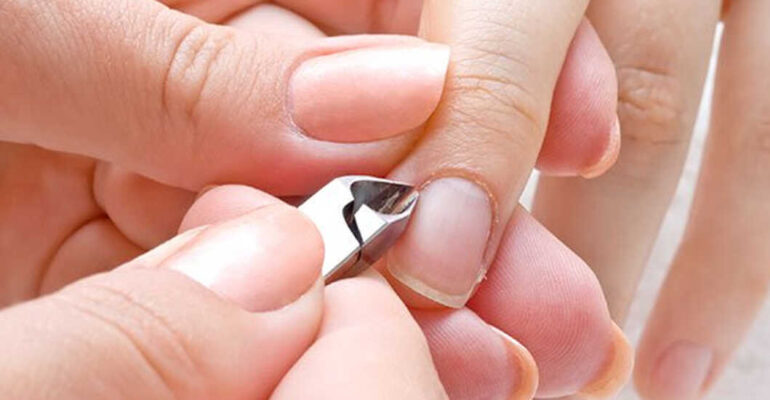
The chance of contracting HIV from a manicure or pedicure is virtually nonexistent. HIV does not survive long outside the body, and nail tools are solid instruments that do not inject blood like needles. You are much more likely to encounter fungal nail infections, warts, bacterial skin outbreaks (especially from poorly maintained foot spas), or blood-borne hepatitis if proper sterilisation is ignored. If a tool draws visible blood and you are genuinely anxious about an exposure, wash the area with soap and water and seek medical advice immediately.
Medical & Editorial Disclaimer: This guide is educational content, not individualized medical advice, diagnosis, or treatment. It reflects Dermatocare's own screening framework alongside publicly available formulation and regulatory information. This content does not replace personalized consultation with a dermatologist. Always verify salon hygiene standards firsthand.
The Reality of HIV Transmission in Nail Salons
Getting your nails done should be a relaxing form of self-care, but because it often involves sharp tools near the skin, it is natural to wonder about safety.
According to the Centers for Disease Control and Prevention (CDC), HIV is transmitted specifically through certain body fluids such as blood, semen, vaginal fluids, and breast milk when they reach a mucous membrane, damaged tissue, or are injected directly into the bloodstream.
The World Health Organization (WHO) confirms that HIV cannot survive for long outside the human host, cannot reproduce on surfaces, and is never transmitted through everyday contact, casual touch, or shared personal objects.
The Reality of HIV Transmission in Nail Salons
For HIV to theoretically transmit during a manicure or pedicure, a very specific and unlikely chain of events would need to occur:
Fresh Blood Present: A tool would have to carry fresh, infectious blood from a person with HIV who has an unsuppressed viral load. (Individuals on effective antiretroviral therapy have undetectable viral loads and cannot transmit the virus.)
Immediate Reuse: That contaminated tool would need to be used on the next client right away without undergoing cleaning or sterilization.
An Open Wound: The subsequent client would need an active cut, nick, or broken skin precisely where the tool makes contact.
Laboratory studies demonstrate that while HIV can stay briefly viable in blood-rich liquid or dried material under specific conditions, standard solid nail instruments do not act like hollow medical needles, which carry a much higher risk of occupational fluid transfer.
Which Infections Are the Real Concern in Nail Salons?
While HIV transmission is practically a non-issue in professional salons, other pathogens present realistic, everyday risks if hygiene protocols lapse:
Fungal Infections & Warts: Shared, unsterilized tools and surfaces easily transmit dermatophytes (causing nail fungus) and human papillomavirus (causing warts).
Hepatitis B & C: These blood-borne liver infections are hardier than HIV. While salon transmission remains statistically rare, inadequate equipment sterilization is a recognized risk pathway for hepatitis. Modern hepatitis C treatments boast high success rates through the WHO, but prevention through rigorous sanitation is key.
Bacterial Skin Infections: Whirlpool foot spas can harbour rapidly growing mycobacteria if not disinfected meticulously between clients. Shaving your legs immediately before a pedicure opens micro-abrasions, creating an easy entry point for these bacteria.
5 Practical Precautions Before Your Next Nail Service
You can drastically lower your risk of any salon-acquired infection by following a few simple ground rules:
Opt for Steel and Sealed Tools: Stainless steel instruments are far easier to sanitize than porous or plastic alternatives. Look for tools removed from sterile, sealed pouches right in front of you. For items that cannot be autoclaved (like emery boards or buffers), bring your own from home or ensure they are single-use.
Leave Your Cuticles Intact: Cuticles serve as a natural biological seal protecting your nail fold from bacteria. Cutting them creates micro-wounds; gentle pushing after a soak is more than enough.
Skip Leg Shaving Before Pedicures: Avoid shaving, waxing, or using hair removal creams on your legs for at least 24 hours before a pedicure to keep your skin barrier intact.
Manage Nicks Immediately: If a tool accidentally nicks your skin, wash the area thoroughly with soap and running water, apply an antiseptic, and ask the technician to set the tool aside for proper sterilization.
Protect Vulnerable Health Conditions: If you have diabetes, neuropathy, or compromised circulation, bypass standard nail salons entirely and receive foot care exclusively from a podiatrist or dermatologist.
Are Fish Spas Safe?
Dermatologists generally advise skipping fish spas. In these treatments, small fish feed on dead skin in shared tanks that cannot be chemically disinfected between clients. The tank water can harbour bacteria, and any open micro-crack on your feet provides an entry point for infection.
Before using a fish spa, make sure:
The water is changed between each client.
The spa has a filtration system to remove any contaminants.
You don’t have any open cuts or wounds on your feet.
What to Do If You Suspect an Exposure
If a tool cuts you deeply and you experience acute anxiety regarding blood-borne exposure:
Wash Promptly: Clean the affected area thoroughly with soap and running water.
Seek Immediate Medical Evaluation: If you believe you were exposed to fresh blood from another person, do not wait. HIV Post-Exposure Prophylaxis (PEP) is a short course of antiretroviral medication that works best when initiated as soon as possible ideally within 24 hours, and strictly no later than 72 hours post-exposure. Visit a hospital emergency department or specialised clinic immediately to assess your risk and discuss hepatitis B and C screening or vaccination.
Frequently asked questions
It is extremely unlikely. HIV breaks down rapidly outside the body and cannot replicate on environmental surfaces. While shared clippers can transmit fungus or warts, they are not a documented vector for HIV.
Conclusion
The risk of HIV from a manicure or pedicure is extremely low, and the more useful goal is avoiding the everyday infections that salons can spread. Choose a clean, well-run salon, protect your cuticles, skip razors before a foot spa, and get medical advice quickly after any blood exposure. Persistent nail changes or skin infections after a visit are worth showing to a dermatologist.
Related reading:
References
Centers for Disease Control and Prevention. How HIV Spreads. Last reviewed 25 November 2024. https://www.cdc.gov/hiv/causes/index.html
Centers for Disease Control and Prevention. HIV at Work: occupational risk and post-exposure prophylaxis. Last reviewed 6 August 2026. https://www.cdc.gov/hiv/causes/occupational-transmission.html
World Health Organization. HIV and AIDS fact sheet. 2026 update. https://www.who.int/news-room/fact-sheets/detail/hiv-aids
World Health Organization. Hepatitis C fact sheet. 2026 update. https://www.who.int/news-room/fact-sheets/detail/hepatitis-c
World Health Organization. WHO updates guidelines to enhance access to HIV post-exposure prophylaxis. 22 July 2024. https://www.who.int/news/item/22-07-2024-who-updates-guidelines-to-enhance-access-to-hiv-post-exposure-prophylaxis
Yang J, Hall K, Nuriddin A, Woolard D. Risk for hepatitis B and C virus transmission in nail salons and barbershops and state regulatory requirements to prevent such transmission in the United States. J Public Health Manag Pract 2014;20(6). PMID 25250760. DOI 10.1097/PHH.0000000000000042
Thompson SC, Boughton CR, Dore GJ. Blood-borne viruses and their survival in the environment: is public concern about community needlestick exposures justified? Aust N Z J Public Health 2003;27(6):602-607. PMID 14723407. DOI 10.1111/j.1467-842X.2003.tb00606.x
Van Bueren J, Simpson RA, Jacobs P, Cookson BD. Survival of human immunodeficiency virus in suspension and dried onto surfaces. J Clin Microbiol 1994;32(2):571-574. PMID 8150980
Vugia DJ, Jang Y, Zizek C, Ely J, Winthrop KL, Desmond E. Mycobacteria in nail salon whirlpool footbaths, California. Emerg Infect Dis 2005;11(4):616-618. https://www.ncbi.nlm.nih.gov/pmc/articles/PMC3320319/