
Vitamin C
Best Vitamin C Serums for Acne-Prone Skin(2026): Derm Picks
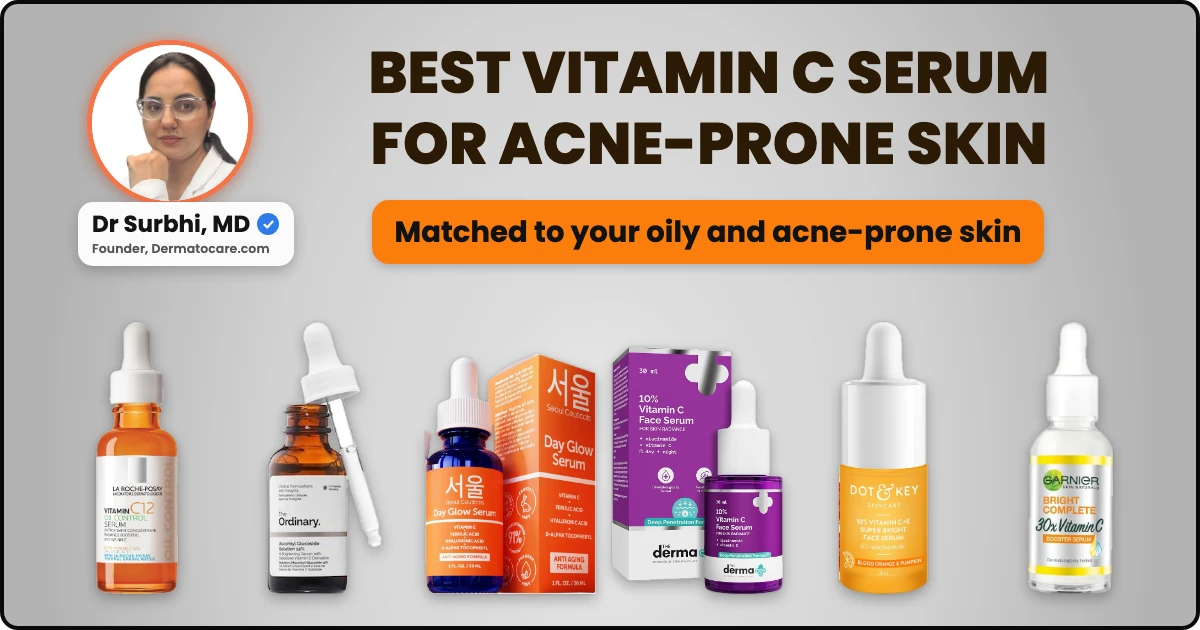
If you have acne-prone skin, the best Vitamin C serum is the one that brightens without triggering new breakouts or irritation. Many people stop Vitamin C because of stinging, purging-like flare-ups, or clogged-feeling textures especially in humid climates.
Dermatology logic is simple: acne-prone skin benefits most from Vitamin C when it is:
stable (so it doesn’t oxidize fast),
non-irritating (inflammation can worsen post-acne marks),
and paired with acne-safe supporting ingredients (like niacinamide, salicylic acid, green tea, zinc, or barrier helpers).
Best Form of Vitamin C for Acne-Prone Skin
For those with active breakouts or oily skin, L-Ascorbic Acid can sometimes be too acidic (low pH), leading to further irritation. Instead, research points to Sodium Ascorbyl Phosphate (SAP) as the superior choice for acne.
Sodium Ascorbyl Phosphate (SAP): Clinical studies have shown that SAP has a strong antimicrobial effect against P. acnes (the bacteria responsible for breakouts). At a 5% concentration, it has been found to be as effective as some prescription acne treatments but with significantly fewer side effects.
Ascorbyl Glucoside: A gentler, time-released version that is ideal if your acne-prone skin is also hypersensitive.
Ethyl Ascorbic Acid (EAA): This is a highly stable, water-soluble derivative. It is excellent for Indian climates because it doesn't oxidize easily and offers deep penetration to target post-acne pigmentation once inflammation settles.
Supporting Ingredients for Acne-Prone Skin
To maximize results without clogging pores, look for Vitamin C serums that include these "acne-friendly" partners:
Niacinamide (2–5%): helps oil control, barrier support, and acne marks
Salicylic acid (0.2–2%): keeps pores clearer (use carefully if sensitive)
Green tea / soothing antioxidants: calm inflammation
Ferulic acid + Vitamin E: boosts antioxidant network and supports Vitamin C stability
Ceramides / Panthenol / Allantoin: reduces irritation risk (important in acne routines)
Zinc PCA: oil and acne-support
Watch instead
BEST VITAMIN C SERUM FOR ACNE PRONE SKIN
Dr Surbhi walks through the same picks on camera — useful if you'd rather be told than read.
▶ Watch on YouTubeLa Roche-Posay 12% Vitamin C Serum
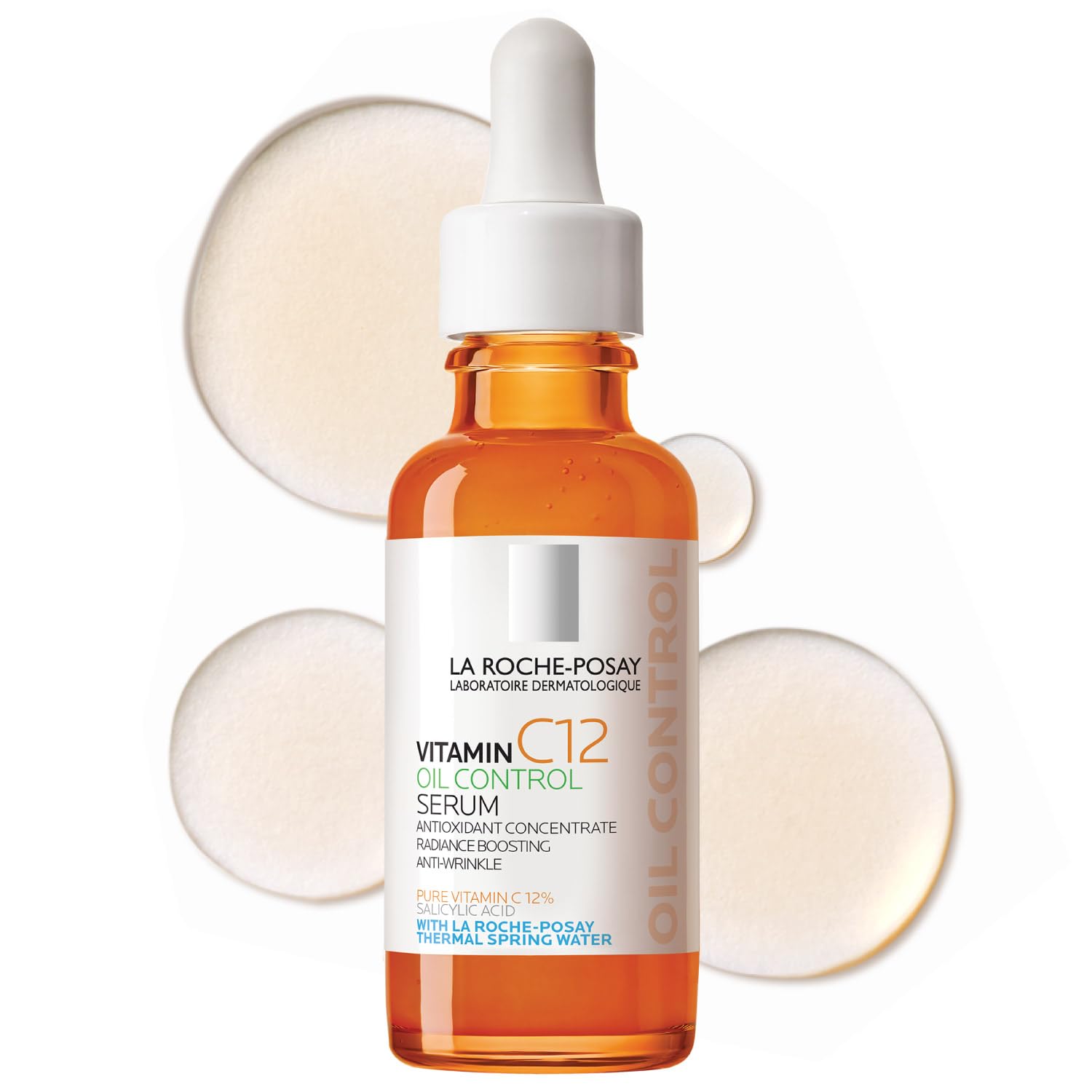
La Roche-Posay 12% Vitamin C Serum
Best for advance user for oil control
12% L-Ascorbic Acid is a clinically effective strength for faster brightening and spot-fading compared with most derivatives.
Low-level salicylic acid supports pore clearing and mild exfoliation, helping oily skin and improving overall glow.
Adenosine + HA/glycerin add anti-aging support and reduce the dryness/sting risk common with pure Vitamin C.
⚠ Cons
Transparent dropper packing
Fragrance present → irritation risk for sensitive or rosacea-prone skin
The Ordinary
The Ordinary Ascorbyl Glucoside 12% Serum

The Ordinary
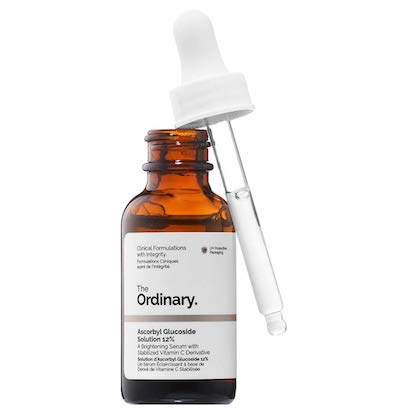
The Ordinary Ascorbyl Glucoside 12% Serum
The Ordinary 12% Ascorbyl Glucoside Vitamin C Serum, is suitable for beginners. It is aligned to Oily, Combination/Normal, Dry skin, with no specific skin concern flagged for 18-25 years.
Best for sensitive post 20's acne prone skin
12% Ascorbyl Glucoside is a stable, low-irritation Vitamin C derivative, so it is unlikely to trigger acne flare-ups.
SeoulCeuticals
SeoulCeuticals Korean Vitamin C Serum
SeoulCeuticals
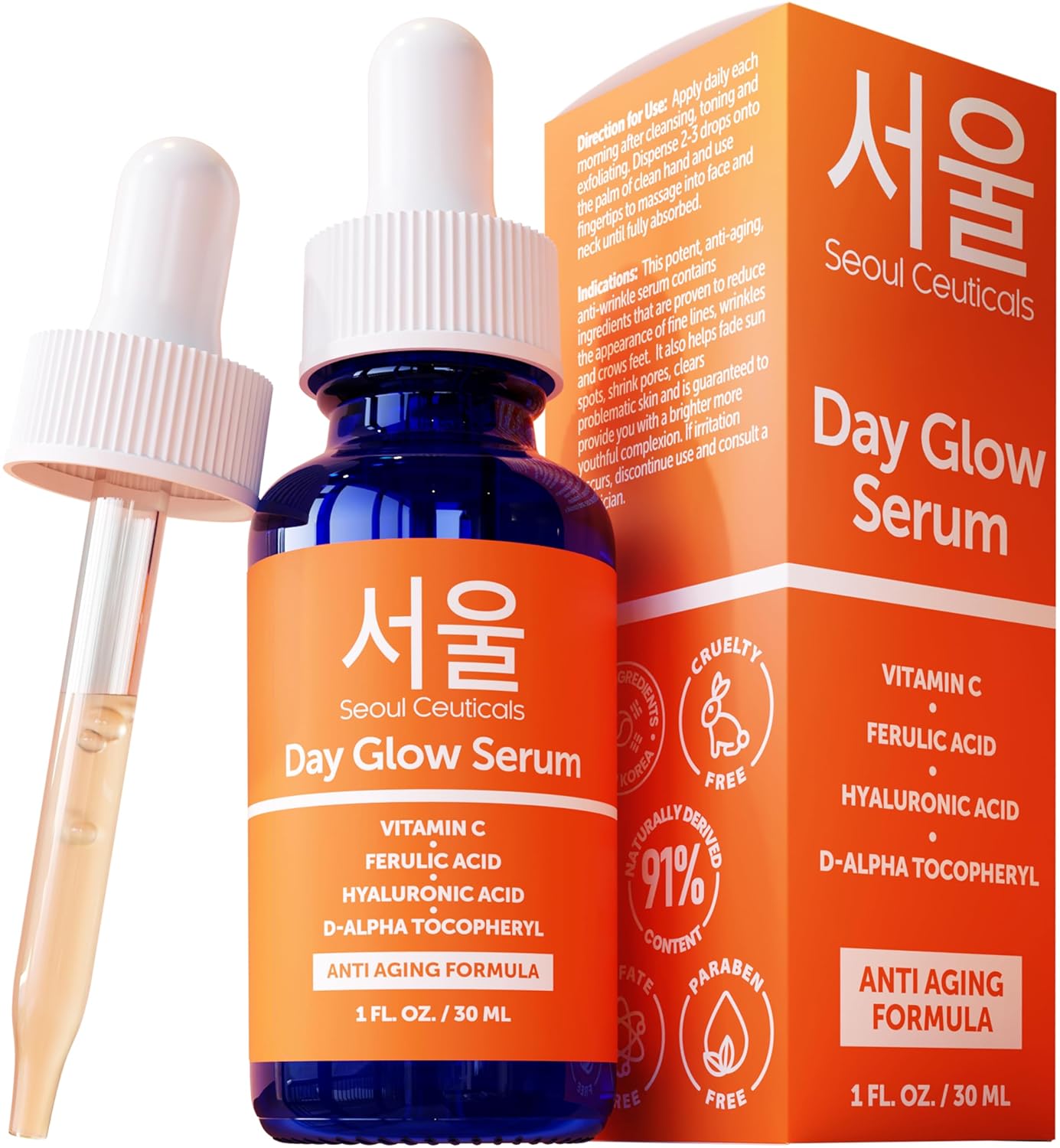
SeoulCeuticals Korean Vitamin C Serum
SeoulCeuticals 20% Sodium Ascorbyl Phosphate Vitamin C Serum, formulated with Centella Asiatica Extract, MSM, is suitable for beginners. It is aligned to Oily, Combination/Normal, Dry skin, with no specific skin concern flagged for 18-25 years.
Best for non-sensitive skin with occasional breakouts
20% SAP is a stable, acne-friendly Vitamin C that supports mild brightening without high irritation.
Aloe + Centella + Glycerin + MSM calm inflammation and support healing during/after active acne.
Ferulic acid + Vitamin E boost antioxidant protection, helping reduce redness and mark formation over time.
The Derma Co
The Derma Co 10% Vitamin C Face Serum
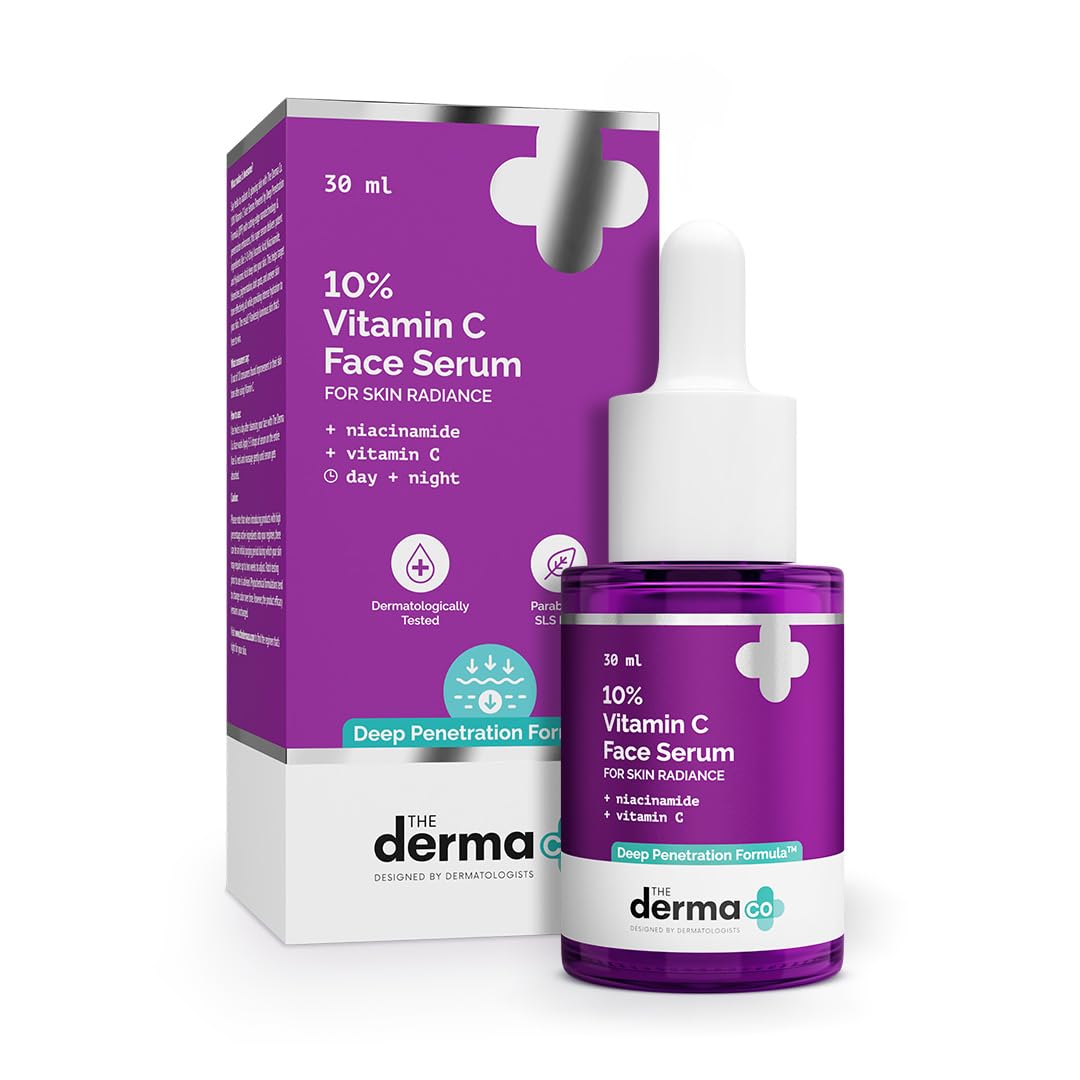
The Derma Co
The Derma Co 10% Vitamin C Face Serum
The Derma Co 10% (combined) Ethyl Ascorbic Acid and L-Ascorbic Acid Vitamin C Serum, formulated with 5% Niacinamide, is suitable for beginners. It is aligned to Oily, Combination/Normal, Dry skin, with skin concern of Uneven dull skin, Fine lines/Wrinkles.
Best for mild post acne dark spots but no active breakouts
10% Vitamin C blend + ferulic acid gives stronger brightening and antioxidant support to fade spots.
5% niacinamide helps oil control, barrier strength, and dark-spot improvement
PHA + HA/glycerin provide gentle exfoliation + hydration with lower irritation risk than strong AHAs.
Dot & Key
Dot & Key 10% Vitamin C + E Serum
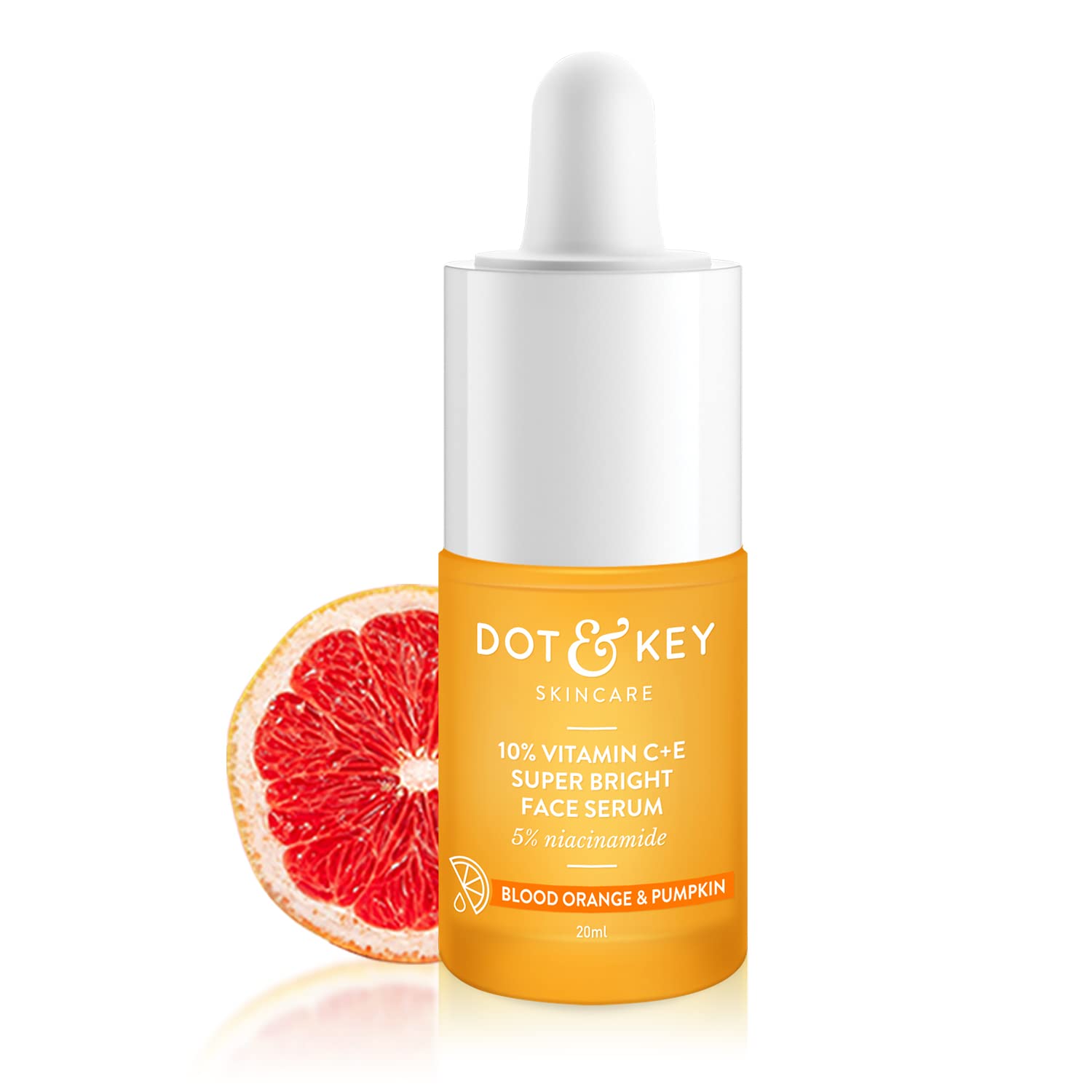
Dot & Key
Dot & Key 10% Vitamin C + E Serum
Dot & Key 10% Ethyl Ascorbic Acid Vitamin C Serum, formulated with Alpha Arbutin, is suitable for beginners. It is aligned to Oily, Combination/Normal, Dry skin, with skin concern of Uneven dull skin, Fine lines/Wrinkles.
Best for mild post acne dark spots but no active breakouts
10% Ethyl Ascorbic Acid + Ferulic/Vit E gives stable Vitamin C brightening with strong antioxidant support.
5% Niacinamide + Alpha arbutin targets dark spots while balancing oil and improving barrier function.
Ceramides + hydrators + allantoin reduce irritation risk and improve long-term tolerance
Garnier
Garnier Vitamin C Serum
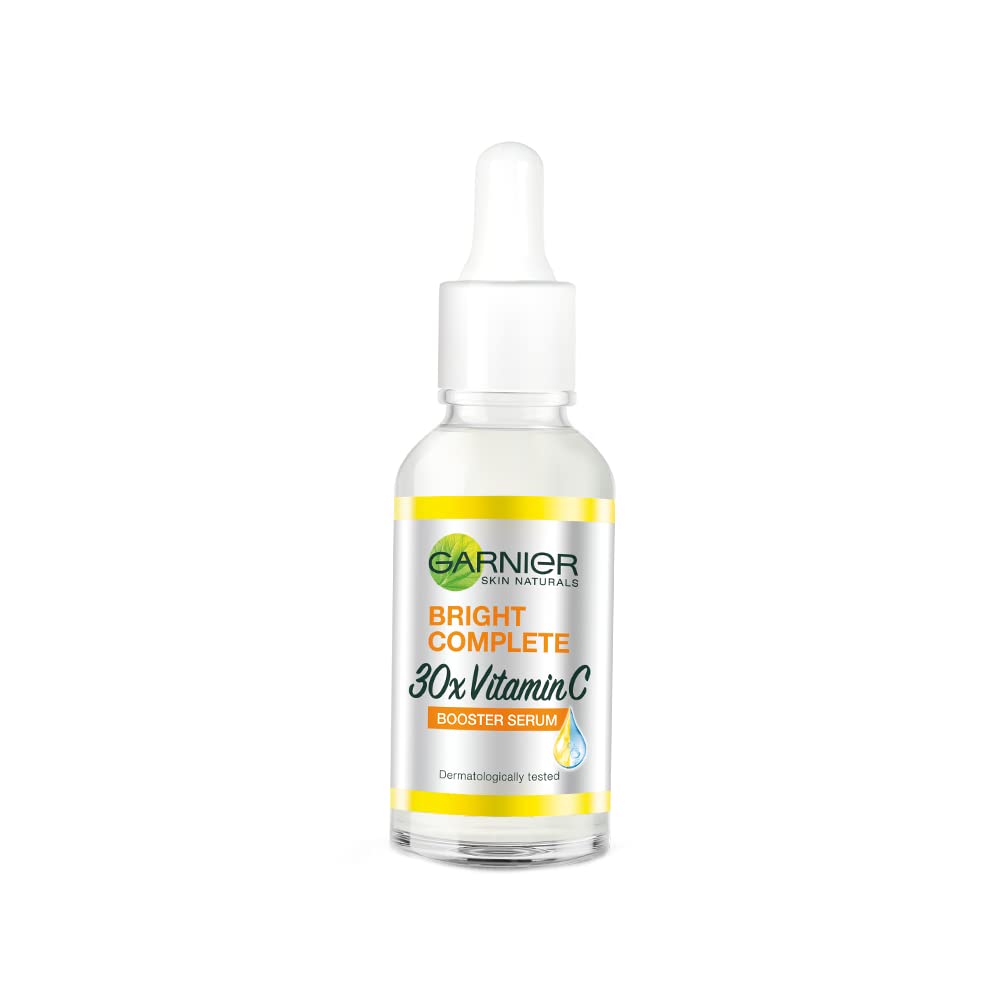
Garnier
Garnier Vitamin C Serum
Garnier Ethyl Ascorbic Acid Vitamin C Serum (conc. not found), formulated with Adenosine, Salicylic acid and resorcinol, is suitable for beginners. It is aligned to Oily, Combination/Normal skin, with skin concern of Uneven dull skin, Fine lines/Wrinkles.
Best affordable option for post acne brown marks in non-sensitive skin
EAC + niacinamide + phenylethyl resorcinol is a high-impact brightening trio for visible spot-fading.
Salicylic acid adds pore-clearing and gentle exfoliation, helpful for oily/acne-prone skin.
Not for sensitive skin: alcohol high up + fragrance allergens
Avoid in active acne
The Formularx 10% Vitamin C Face Serum
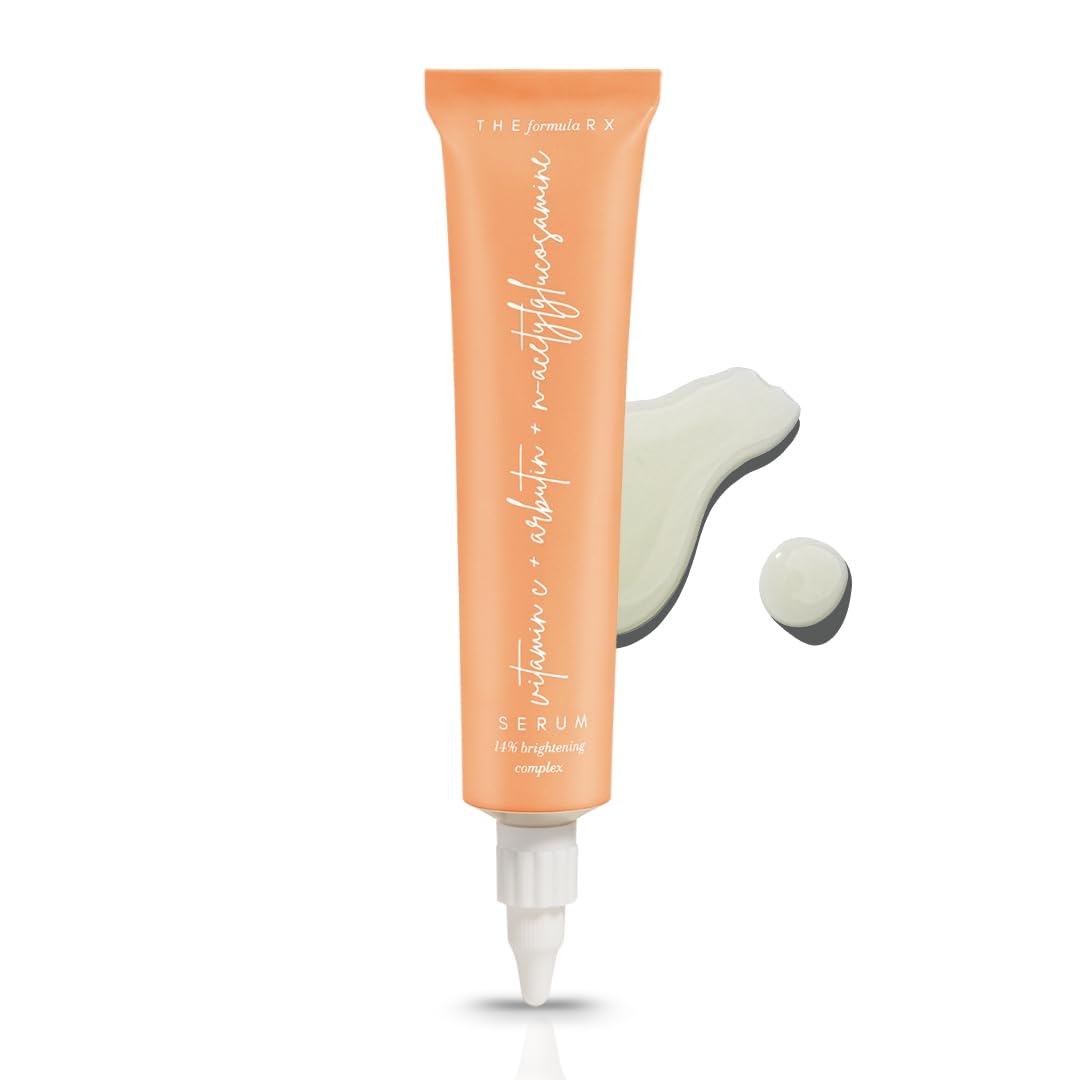
The Formularx 10% Vitamin C Face Serum
Dermatocare Rating: ⭐⭐⭐⭐✨ (4.5/5)
Best for: Post-acne marks (PIH) and uneven tone (also good for mild tanning).
Best match: If niacinamide does not show results or marks are prominent in beginners.
10% EAC gives reliable brightening with lower irritation risk than pure L-ascorbic acid.
2% Alpha arbutin + 2% N-acetyl glucosamine is a strong dark-spot combo that works well for PIH.
Vitamin E + HA/glycerin + allantoin support hydration and soothe the skin, improving tolerance for daily use.
WishCare Super Bright C16 Vitamin C Serum
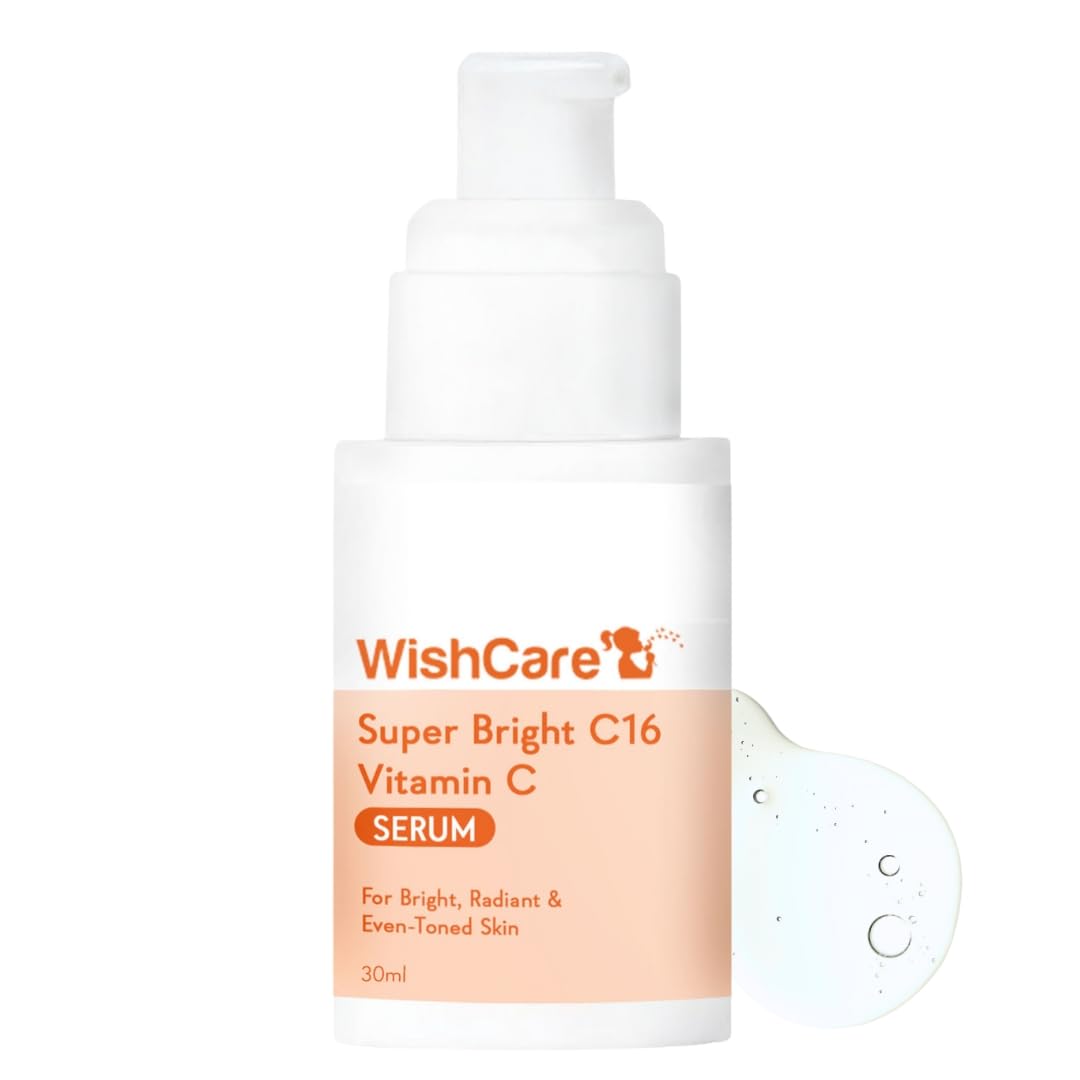
WishCare Super Bright C16 Vitamin C Serum
Best for post-acne marks are prominent in non-sensitive skin
High-potency brightening: Ethyl Ascorbic + L-Ascorbic with Ferulic acid + Vitamin E boosts antioxidant power and visible glow.
Strong spot-fading actives: 4% niacinamide + 1% kojic acid + 1% butylresorcinol target melanin for stubborn pigmentation.
Soothing support: Licorice + CICA + aloe + HA + glycerin help calm and hydrate to reduce irritation risk.
FAQs for Vitamin C in Acne
Q: Can Vitamin C cause more acne?
Usually, no. However, "purging" can happen if the serum contains heavy oils or if the pH is too low for your barrier. If you break out, switch to a water-based serum containing Sodium Ascorbyl Phosphate.
Q: Should I apply it on active pimples?
Yes—if it doesn’t sting. For active inflamed acne, choose SAP or Ethyl Ascorbic Acid first (gentler). SAP also has acne-relevant evidence.
Q: Can I use Vitamin C with salicylic acid or retinoids?
If you’re acne-prone and reactive, don’t start them all together. A safe approach:
AM: Vitamin C + sunscreen
PM: Salicylic acid or retinoid (alternate nights)
Q: Can I use Vitamin C with Benzoyl Peroxide?
I recommend alternating them. Benzoyl Peroxide can oxidize Vitamin C, making both less effective. Use Vitamin C in the morning (to fight sun damage) and Benzoyl Peroxide at night.
Q: Does it help with deep acne pits/scars?
Vitamin C helps with "color" scars (red or brown marks). It cannot fill in deep "pitted" or "ice-pick" scars; those usually require clinical treatments like microneedling or lasers.
Q: How long does it take to fade post-acne marks?
Typically 8–12 weeks with consistent use (faster if acne is controlled and sunscreen is daily).
Q: Is sunscreen really necessary if I use Vitamin C?
Yes. Without sunscreen, acne marks darken again and brightening slows down.
Conclusion
For acne-prone skin, the “best Vitamin C” is less about the highest percentage and more about the right form:
Best overall acne-friendly option: Sodium Ascorbyl Phosphate (SAP)
Best for acne marks + glow with good tolerance: Ethyl Ascorbic Acid (10–15%)
Not sure which one is right for you?
Answer a few questions and get a full AM and PM routine built for your skin — free, and put together by a dermatologist.