Retinoids
Best Retinol for Beginners in India (2026): A Dermatologist’s Guide
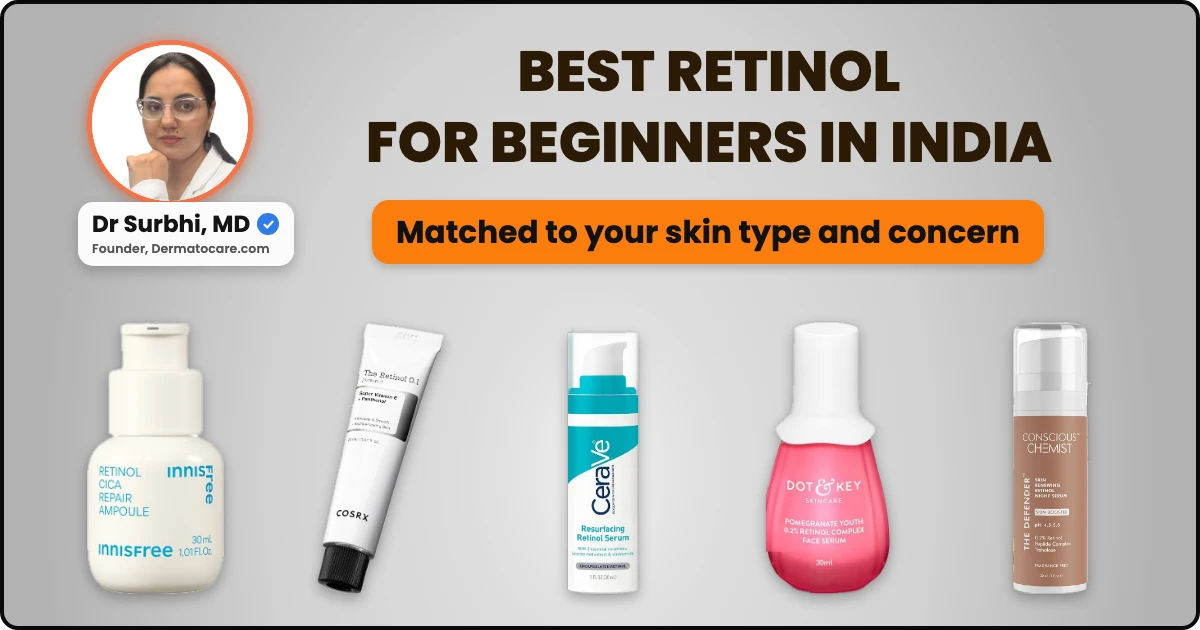
For beginners, it's best to start with retinol at 0.1% and gradually increase to 0.2% if tolerated well. Make sure to choose airtight packing with a cream base. Here are the best retinols for beginners in India: 1. Retinol at 0.1%, creams in an airtight tube: COSRX 0.1% Retinol Cream, Chemist At Play 0.1% Retinol Night Cream and CodeSkin Retinol GLO Night Cream 2. Retinol at 0.15% in pump packing: Innisfree Retinol Cica Repair Ampoule and Foxtale Vit-A-Lity 0.15% Retinol Serum 3. Retinol at 0.2% in pump packing: Deconstruct 0.2% Retinol Serum with 1% peptides in an airtight pump 4. CeraVe Skin Renewing Retinol Serum (percentage not found) has ceramides and an airtight pump 5. Celimax The Vita-A Retinol Shot Serum has 0.1% retinol and a technology that delivers it deeper, so use it once you are experienced
Retinoids are among the best-studied anti-ageing ingredients in skincare, yet many beginners give up on them within weeks because they often retinol that first timer can't handle. This guide helps you find the one based on how sensitive your skin is.
Which Retinoid Should a Beginner Start With?
Retinoid is the name of a family, not a single ingredient. Your skin converts most of them into retinoic acid, the molecule that does the work. The fewer steps that conversion takes, the stronger the result and the higher the chance of irritation. That is why the form you choose matters as much as the strength.
Here is how the main forms compare:
Form | Where you buy it | Usual strength | Beginner? |
Retinyl esters (palmitate, propionate, acetate) | Over the counter | Rarely printed | Yes, at any strength |
Retinol | Over the counter | 0.1% to 1% | Yes up to 0.2%. Advanced above 0.2% |
Retinal (retinaldehyde) | Over the counter | 0.05% to 0.1% | No, advanced |
Granactive Retinoid (HPR) | Over the counter | 0.5% to 2% of the blend | No, advanced |
Bakuchiol | Over the counter | 0.5% to 1% | Yes |
Tretinoin, adapalene, tazarotene | Prescription | 0.025% to 0.1% | Your doctor decides |
For a first timer, retinol at 0.1% to 0.2% is the best-evidenced choice. It is strong enough to work and gentle enough to learn on.
What to Check Before You Buy a Retinoid
Four quick checks tell you whether a retinoid is worth your money.
The form and the strength: Retinol at 0.1% to 0.2% is the beginner range.
The packing: Choose an airtight tube or pump. Retinol breaks down in air and light, and a dropper or an open jar lets air in every time you open it.
Cream base: Retinol can dry your skin, so look for a rich cream base to reduce the chance of flaking.
Which Type of Beginner Are You?
Your skin's tolerance decides where you start.
The reactive beginner. Retinoid can irritate rosacea-prone or reactive skin. Spend a few weeks building your barrier with hyaluronic acid, ceramides and peptides first.
The sensitive beginner. You manage simple actives but react to bleach, toners or facials. Start with 0.1% retinol in a ceramide cream such as Chemist At Play or CodeSkin. A retinyl ester is gentler still, but it is the least likely to show results.
The resilient beginner. Soaps and home remedies do not bother you, so you can go straight to 0.1% to 0.2% retinol in an airtight tube or pump: COSRX, Innisfree, Foxtale or Deconstruct.
Watch this video to understand in details:
Watch instead
Best Retinol for Beginners in India 2026
Dr Surbhi walks through the same picks on camera — useful if you'd rather be told than read.
▶ Watch on YouTubeRE' EQUIL 0.1% Retinol Night Cream
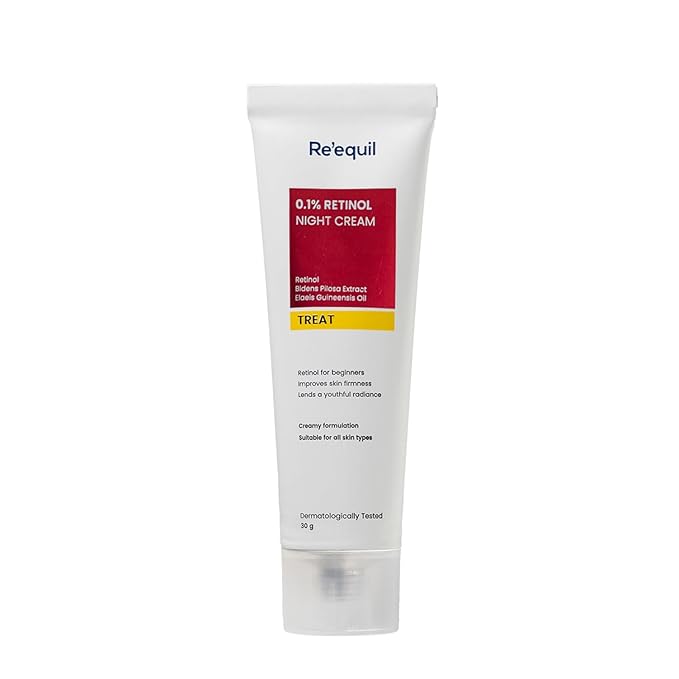
RE' EQUIL 0.1% Retinol Night Cream
Recommended for beginners with dry skin
Type: Retinol 0.1%
Support Ing: Bidens Pilosa Extract, hydrating and Soothing
Packing: Airtight
Chemist At Play
Chemist At Play 0.1% Retinol Night Cream
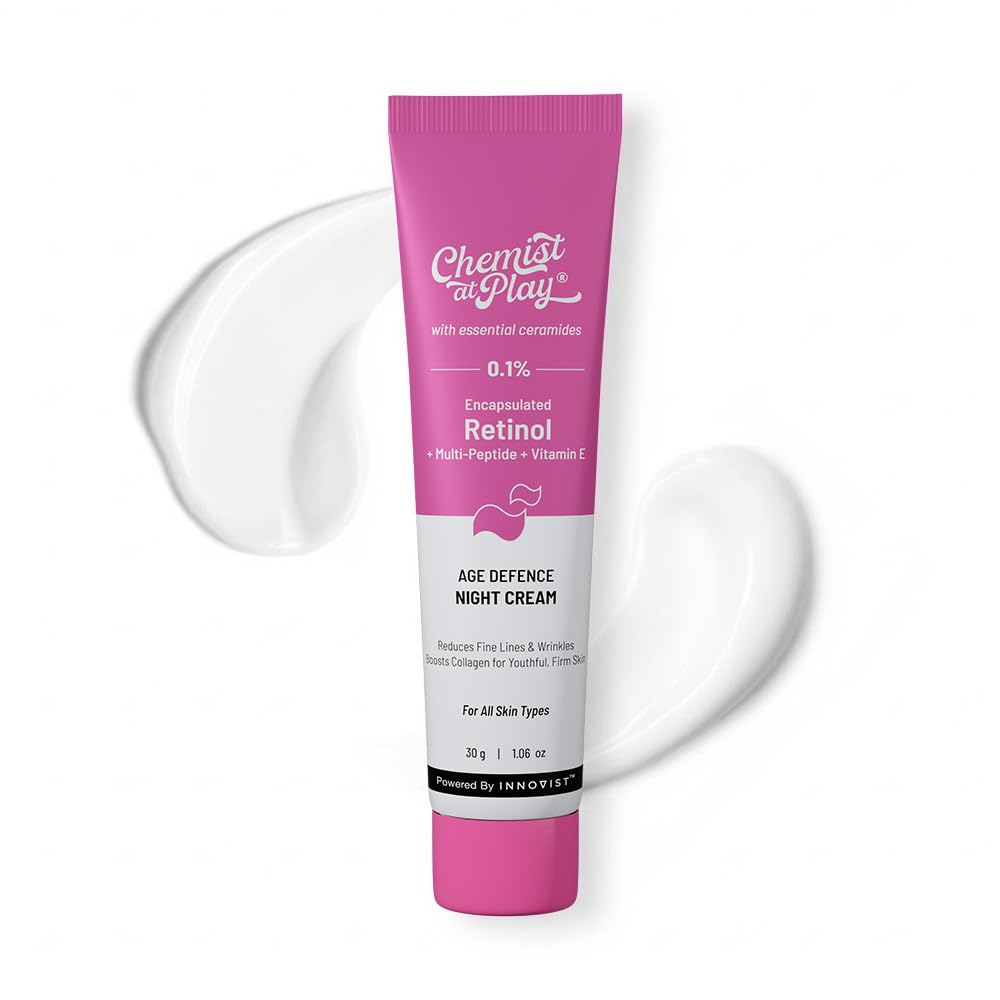

Chemist At Play
Chemist At Play 0.1% Retinol Night Cream
Chemist At Play 0.1% Retinol Night Cream, formulated with Retinol 0.1%, is beginner friendly, comes in airtight packaging, is aligned to Oily, Combination/Normal and Dry skin, and best suited for Fine lines/Wrinkles.
Best for dry skin with compromised barrier
Type: Pure Retinol (0.1%) + Multi-Peptide System
Support Ing: 5-Ceramide Complex (NP, AP, EOP, NS, AS), Tripeptide-1, Palmitoyl Tetrapeptide-7, Saffron Extract, Brown Algae (Laminaria), Sesame Seed Oil.
Packing: Tube
Innisfree
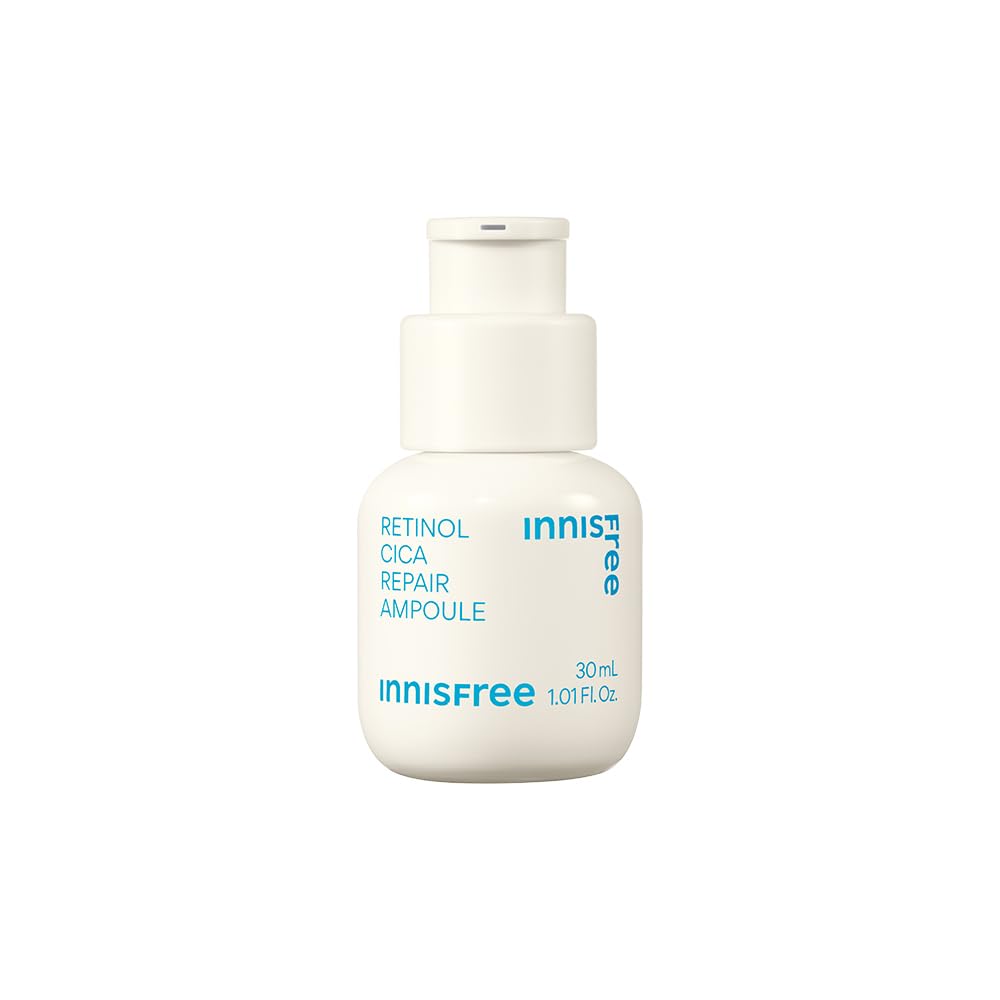
Innisfree Retinol Cica Repair Ampoule
Innisfree
Innisfree Retinol Cica Repair Ampoule
Innisfree Retinol Cica Repair Ampoule, formulated with Retinol 0.15%, is beginner friendly, comes in airtight packaging, is aligned to Oily, Combination/Normal and Dry skin, and best suited for Fine lines/Wrinkles.
Best for beginners with oily to combination skin looking for soothing actives
Type: Retinol 0.15%
Support Ing: Niacinamide, Ceramide NP, Triple Cica Complex (Asiaticoside, Madecassic Acid, Asiatic Acid), Acetyl Tetrapeptide-11, Adenosine, Carrot Root Extract (Beta-carotene), Green Tea Seed Extract, Hyaluronic Acid
Packing: Airtight
CosRx
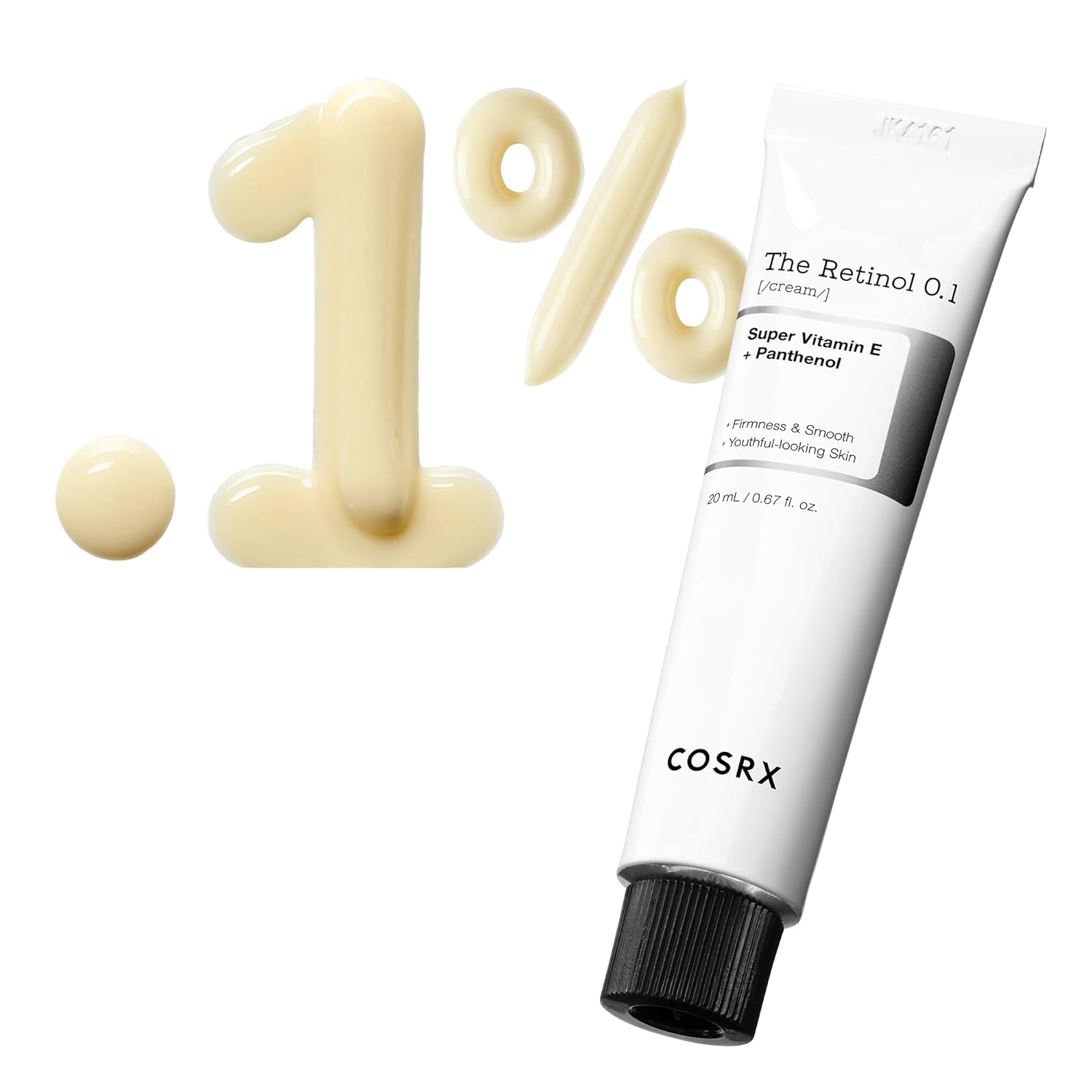
COSRX 0.1% Retinol Cream
CosRx
COSRX 0.1% Retinol Cream
COSRX 0.1% Retinol Cream, formulated with Retinol 0.1%, is beginner friendly, comes in airtight packaging, is aligned to Oily, Combination/Normal and Dry skin, and best suited for Fine lines/Wrinkles.
Best for beginners looking for a "Brightening" effect
Type: Retinol 0.1%
Support Ing- Tocotrienols (Super Vitamin E), Ascorbic Acid (Pure Vitamin C), 3-O-Ethyl Ascorbic Acid, Glutathione, 5-fold Hyaluronic Acid complex, Panthenol, Adenosine.
Packing: Airtight
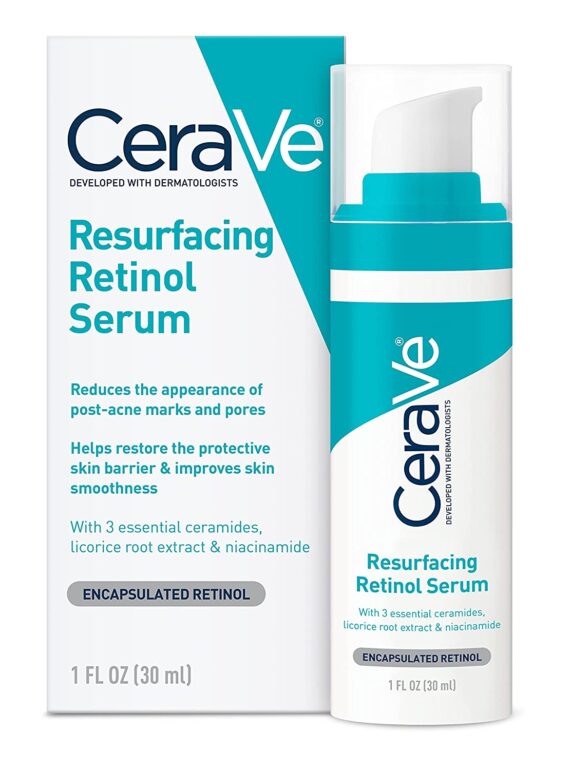
CeraVe Skin Renewing Retinol Serum
CeraVe Skin Renewing Retinol Serum
Best for beginners with dry sensitive skin
Type: Retinol Encapsulated (conc not known)
Support Ing: 3 Essential Ceramides (NP, AP, EOP), Niacinamide, Licorice Root (Dipotassium Glycyrrhizate), Cholesterol, Phytosphingosine.
Packing: Airtight
Dot & Key
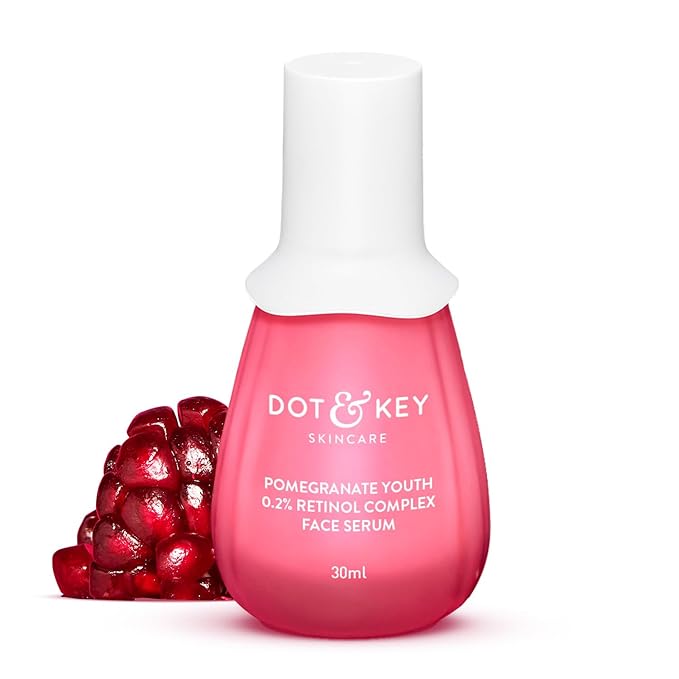
Dot & Key 0.2% Retinol Serum
Dot & Key
Dot & Key 0.2% Retinol Serum
Dot & Key 0.2% Retinol Serum, formulated with Retinol 0.2%, is beginner friendly, comes in airtight packaging, is aligned to Oily, Combination/Normal and Dry skin, and best suited for Fine lines/Wrinkles.
Recommended for intermediate users with oily to combination skin
Type: Retinol 0.2% Dual-Encapsulated System
Support Ing: Niacinamide, Palmitoyl Tripeptide-1, Palmitoyl Tetrapeptide-7, EGCG (Green Tea), Sodium Hyaluronate, Squalane, Pomegranate Extract, Poria Cocos Extract.
Packing: Airtight
Conscious Chemist® 0.2% Retinol Serum
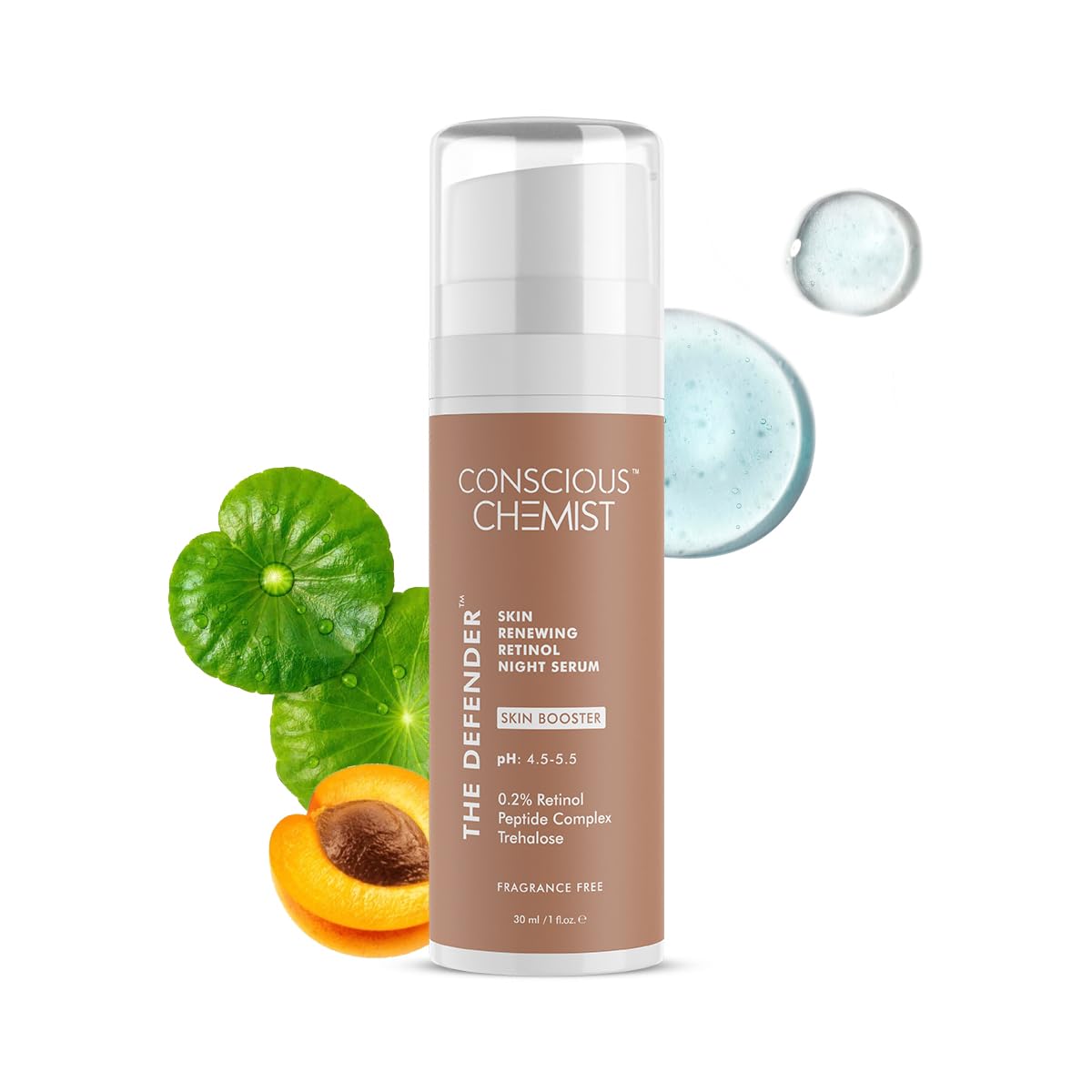
Conscious Chemist® 0.2% Retinol Serum
Recommended for Intermediate users for retinol and peptide benefits
Type: Retinol 0.2%
Support Ing: Centella Asiatica, 6 Peptides (including Copper Tripeptide-1 & Acetyl Hexapeptide-8), 11 Amino Acids (NMF complex), Sodium Hyaluronate, Panthenol, Saccharide Isomerate.
Packing: Airtight
Celimax
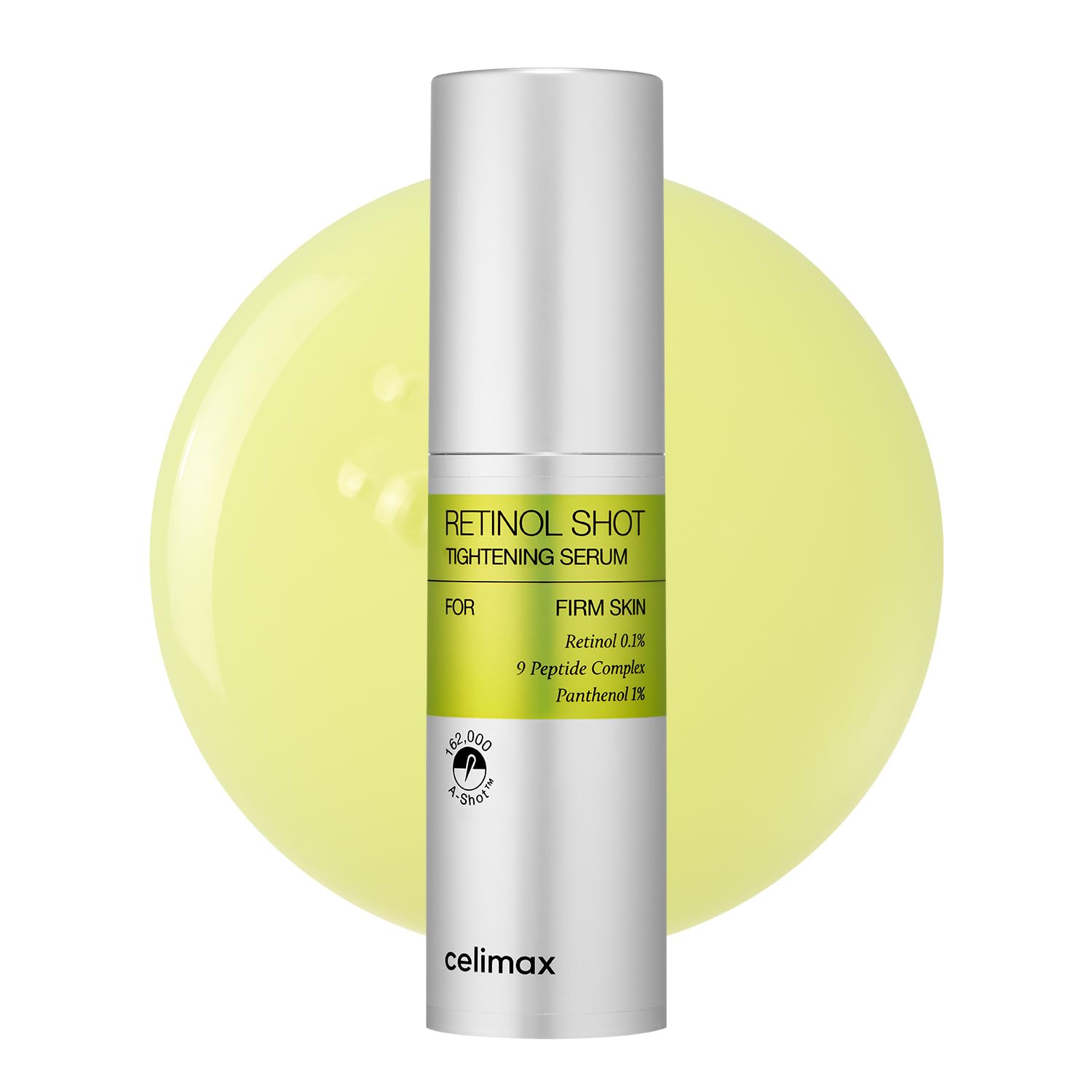
Celimax The Vita-A Retinol Shot Serum
Celimax
Celimax The Vita-A Retinol Shot Serum
Celimax The Vita-A Retinol Shot Serum, formulated with Retinol 0.1%, is beginner friendly, comes in airtight packaging, is aligned to Oily, Combination/Normal and Dry skin, and best suited for Fine lines/Wrinkles.
Best for experienced user
Retinoid: 0.1% retinol, in a tube
Support ingredients: 1% panthenol, allantoin, a peptide (palmitoyl tripeptide-1), vitamin E, beta-carotene
Watch-outs: Best once you are experienced, because it has a technology that delivers the retinol deeper into the skin.
Compare at Glance
Here are all 20 beginner retinoids, starting with the gentlest and moving up to the highest beginner strength.
Retinoid | Key points |
• Retinoid: 0.1% retinol, in an airtight tube • Support ingredients: Panthenol, allantoin, shea butter, meadowfoam seed oil, vitamins C and E, beta-carotene • Watch-outs: Nothing to flag. | |
• Retinoid: 0.1% retinol, in a tube • Support ingredients: Ceramide EOP and NP, a peptide (palmitoyl tetrapeptide-7), ascorbyl palmitate, vitamin E, glycerin • Watch-outs: Nothing to flag. | |
• Retinoid: 0.1% retinol, in an airtight aluminium tube • Support ingredients: Niacinamide, ceramide NP, squalane, peptides (palmitoyl tripeptide-1 and tetrapeptide-7), ubiquinone, ascorbyl glucoside • Watch-outs: It also has exfoliating fruit extracts (pineapple, physalis angulata). | |
• Retinoid: 0.15% retinol, in an opaque pump • Support ingredients: Niacinamide, ceramide NP, cholesterol, cica (asiaticoside, madecassic acid), allantoin • Watch-outs: Nothing to flag. | |
• Retinoid: 0.15% retinol, in an opaque airless pump • Support ingredients: Betaine, allantoin, cetearyl olivate, sorbitan olivate • Watch-outs: Nothing to flag. | |
• Retinoid: 0.2% retinol, in an airtight pump • Support ingredients: 1% peptides (Proteasyl), betaine, glycerin, sodium gluconate • Watch-outs: Nothing to flag | |
• Retinoid: Retinol, in an airtight pump (strength not found) • Support ingredients: Niacinamide, ceramide NP and EOP, hydrogenated lecithin, sodium hyaluronate, dipotassium glycyrrhizate • Watch-outs: The retinol strength is not printed, so you cannot tell how strong it is. | |
• Retinoid: 0.1% retinol, in a tube • Support ingredients: 1% panthenol, allantoin, a peptide (palmitoyl tripeptide-1), vitamin E, beta-carotene • Watch-outs: Best once you are experienced, because it has a technology that delivers the retinol deeper into skin. | |
• Retinoid: Retinyl palmitate, in an aluminium tube (strength not found) • Support ingredients: 12 types of hyaluronic acid, five peptides, hydrolyzed collagen, shea butter, sweet almond oil • Watch-outs: A retinyl ester is the mildest form and the least likely to show results, and its strength is not printed. | |
• Retinoid: 0.1% retinol, in a tube • Support ingredients: Glycerin, butylene glycol, propanediol, hydrogenated rapeseed oil • Watch-outs: Nothing to flag | |
• Retinoid: 0.2% retinol complex (pure and encapsulated retinol), in an opaque pump • Support ingredients: Niacinamide, peptides (palmitoyl tripeptide-1 and tetrapeptide-7), squalane, sodium hyaluronate, allantoin • Watch-outs: Nothing to flag | |
• Retinoid: 0.1% retinol, in an airtight pump jar • Support ingredients: Niacinamide, ubiquinone, cocoa butter, shea butter, olive squalane, vitamin E acetate, allantoin • Watch-outs: contains DMDM Hydantoin, which is on our Ingredients Under Review list, plus methylchloroisothiazolinone and methylisothiazolinone. | |
• Retinoid: 0.2% retinol, in an airtight pump • Support ingredients: Peptides (palmitoyl tripeptide-1), panthenol, glycerin, trehalose, vitamin E • Watch-outs: Nothing to flag | |
• Retinoid: 0.05% retinol, in an opaque airless pump • Support ingredients: Shea butter, jojoba esters, linoleic and linolenic acid, Poria cocos extract, vitamin E • Watch-outs: At 0.05% is low | |
• Retinoid: Retinol, in a dropper bottle (strength not found) • Support ingredients: Glycerin, trehalose, propanediol, cetearyl olivate, yeast extract • Watch-outs: dropper lets air in each time you open it and the retinol strength is not printed. It also contains fragrance. | |
• Retinoid: Liposomal retinol, in a dropper bottle (strength not found) • Support ingredients: Hyaluronic acid, glycerin • Watch-outs: dropper lets air in each time you open it and the retinol strength is not printed. | |
• Retinoid: Retinol and retinyl propionate, in a dropper bottle (strengths not found) • Support ingredients: Niacinamide, glycerin, a peptide (palmitoyl pentapeptide-4) • Watch-outs: contains DMDM Hydantoin, which is on our Ingredients Under Review list, and its dropper lets air in. The strengths are not printed. | |
• Retinoid: Retinyl propionate, in a dropper bottle (strength not found) • Support ingredients: 1.25% niacinamide, three forms of sodium hyaluronate, bisabolol, bifida ferment lysate, vitamin E • Watch-outs: dropper lets air in each time you open it. It is also a retinyl ester, the mildest form, and the 5.3% on the label is a blend of actives, not the retinoid. | |
• Retinoid: 1% retinyl palmitate, in an airtight pump • Support ingredients: Bakuchi oil, squalane, hydrolyzed sodium hyaluronate, aloe vera • Watch-outs: name says retinol but the retinoid in the formula is retinyl palmitate, an ester. Bakuchi oil is not the same as bakuchiol. | |
• Retinoid: 0.3% retinyl palmitate, in an airtight pump • Support ingredients: 1% BioPlacenta, bakuchi oil, sodium hyaluronate, vitamin E • Watch-outs: pack says retinol but the formula contains retinyl palmitate, an ester. |
Avoid all retinoids in pregnancy and breastfeeding, and in teenagers unless a doctor prescribes one.
How to Use a Retinoid as a Beginner
A slow start is the single best way to avoid irritation. Follow these steps for the first few months:
Start slowly: Use it twice a week at night if your skin irritates easily, or every other night if it is resilient. Build up to nightly only if your skin stays comfortable.
Use a pea-size amount: One pea covers the whole face. Apply it on completely dry skin.
Buffer if it stings: Put on moisturiser, then the retinoid, then moisturiser again.
Wear sunscreen every morning: Retinoids thin the outer layer of skin while they work, so it needs protection.
Keep acids and vitamin C apart: Do not layer a retinoid with an acid on the same night. Use vitamin C in the morning and the retinoid at night.
Expect some flaking at first: Dryness and flaking last two to four weeks and ease if you go slowly. They are not the result.
Stop if redness spreads: Redness that persists is a reaction, not an adjustment period.
What Strength Do You Need, and When Will You See Results?
Buy retinol at 0.1% or more, because trials have tested these strengths and lower ones are untested. Results take time, so do not expect any in a fortnight. Take a photograph on day one and judge the retinoid at 12 weeks.
Form | Strength tested | What the trial showed |
Retinol | 0.1% | Lines, pigmentation, elasticity, firmness and overall photodamage were all better than vehicle by week 8, and many were already better by week 4 (Tucker-Samaras 2009) |
Retinol | 0.4% | Fine wrinkling fell 1.64 points against 0.08 for vehicle over 24 weeks, in 36 elderly people using it on their arms (Kafi 2007) |
Retinal | 0.05% | Wrinkle and roughness features fell by week 18, as they did with 0.05% retinoic acid, and retinal irritated less (Creidi 1998) |
Bakuchiol | 0.5% | Matched 0.5% retinol on wrinkles and pigmentation over 12 weeks, with less scaling and stinging (Dhaliwal 2019) |
Tretinoin | 0.02% and above | Beat placebo for sun-damaged skin. 0.001% and 0.01% did not, and higher strengths worked better but irritated more (Samuel 2005) |
Retinyl esters, Granactive Retinoid | None | No controlled human trial at a defined strength that we know of |
The trials measured fine lines, texture and pigmentation. None measured lifting or sagging, so do not expect a change there.
Who Should Use Which?
Your skin type matters less than the base the retinoid is carried in and how often you use it. A cream suits dry skin and a lighter serum suits oily skin, and both can carry the same strength. Use this table to match the retinoid to your situation:
If this is you | What to buy |
Fine lines, texture, first signs of ageing | Retinol 0.1% to 0.2% |
You have used retinol and want more | Retinaldehyde 0.05% to 0.1% |
You want anti-ageing without irritation | Bakuchiol 0.5% |
Rosacea-prone or reactive skin | Bakuchiol only |
Acne with blocked pores | Retinal, or ask about prescription adapalene or tretinoin |
Melasma | Not as the main treatment. Lead with azelaic acid or tranexamic acid |
Pregnant or breastfeeding | None of them. Use azelaic acid, peptides or hyaluronic acid |
A teenager | Only under a doctor, for acne |
You want the gentlest possible start | A retinyl ester, knowing it is the least likely to show results |
When Is a Prescription the Answer?
Tretinoin is retinoic acid itself, so it needs no conversion, and every other retinoid is measured against it. It improves sun-damaged skin from 0.02% (Samuel 2005). In a trial in black patients with melasma, 0.1% tretinoin improved melasma scores by 32% against 10% for vehicle over 40 weeks, but 67% of the tretinoin group developed a mild retinoid dermatitis (Kimbrough-Green 1994).
Tretinoin is prescription only in India, and it is the harshest member of the family. Many pharmacies sell it without a prescription, but easy to buy does not mean right for your skin. Used carelessly, it can over-irritate and leave dark marks on Indian skin. If an over-the-counter retinoid has not worked after six months of correct use, talk to a dermatologist rather than buying a stronger cosmetic serum.
This involves applying a layer of moisturizer, then your retinol, followed by another layer of moisturizer. It creates a buffer that slows down the absorption of the retinol, significantly reducing the risk of irritation while you're still a beginner.
People also ask
This involves applying a layer of moisturizer, then your retinol, followed by another layer of moisturizer. It creates a buffer that slows down the absorption of the retinol, significantly reducing the risk of irritation while you're still a beginner.
References
1. Kafi R, Kwak HS, Schumacher WE, Cho S, Hanft VN, Hamilton TA, King AL, Neal JD, Varani J, Fisher GJ, Voorhees JJ, Kang S. Improvement of naturally aged skin with vitamin A (retinol). Arch Dermatol. 2007;143(5):606-612. PMID: 17515510. Randomised, double-blind, vehicle-controlled, 36 elderly people, 0.4% retinol on the arms for 24 weeks.
2. Tucker-Samaras S, Zedayko T, Cole C, Miller D, Wallo W, Leyden JJ. A stabilized 0.1% retinol facial moisturizer improves the appearance of photodamaged skin in an eight-week, double-blind, vehicle-controlled study. J Drugs Dermatol. 2009;8(10):932-936. PMID: 19852122.
3. Creidi P, Vienne MP, Ochonisky S, Lauze C, Turlier V, Lagarde JM, Dupuy P. Profilometric evaluation of photodamage after topical retinaldehyde and retinoic acid treatment. J Am Acad Dermatol. 1998;39(6):960-965. PMID: 9843009.
4. Dhaliwal S, Rybak I, Ellis SR, Notay M, Trivedi M, Burney W, Vaughn AR, Nguyen M, Reiter P, Bosanac S, Yan H, Foolad N, Sivamani RK. Prospective, randomized, double-blind assessment of topical bakuchiol and retinol for facial photoageing. Br J Dermatol. 2019;180(2):289-296. PMID: 29947134.
5. Samuel M, Brooke RC, Hollis S, Griffiths CE. Interventions for photodamaged skin. Cochrane Database Syst Rev. 2005;(1):CD001782. PMID: 15674885. Thirty studies. Tretinoin at 0.02% and above beat placebo, with a dose-response for effect and irritation. No effect at 0.001% or 0.01%.
6. Kimbrough-Green CK, Griffiths CE, Finkel LJ, Hamilton TA, Bulengo-Ransby SM, Ellis CN, Voorhees JJ. Topical retinoic acid (tretinoin) for melasma in black patients. A vehicle-controlled clinical trial. Arch Dermatol. 1994;130(6):727-733. PMID: 8002642.
7. Veraldi S, Barbareschi M, Guanziroli E, Bettoli V, Minghetti S, Capitanio B, Fabbrocini G, Bardazzi F, Micali G. Treatment of mild to moderate acne with a fixed combination of hydroxypinacolone retinoate, retinol glycospheres and papain glycospheres. G Ital Dermatol Venereol. 2015;150(2):143-147. PMID: 25876142. A fixed combination, so nothing can be attributed to hydroxypinacolone retinoate alone.
8. Bettoli V, Micali G, Berardesca E, Cusano F, Fabbrocini G, Monfrecola G, Veraldi S. Efficacy and safety of a 12-month treatment with a combination of hydroxypinacolone retinoate and retinol glycospheres as maintenance therapy in acne patients after oral isotretinoin. G Ital Dermatol Venereol. 2017;152(1):13-17. PMID: 26889724. Also a combination study.
Disclaimer
This guide is educational content, not individualized medical advice, diagnosis or treatment for any reader. It reflects Dermatocare's ingredient-database screening and the published research listed above, applied as a precautionary framework. It does not replace a consultation with a dermatologist, particularly before starting a prescription-strength active or any new ingredient routine. Tretinoin, adapalene and tazarotene are prescription medicines. Always check the current ingredient list on the product label, since formulations change without notice.
Not sure which one is right for you?
Answer a few questions and get a full AM and PM routine built for your skin — free, and put together by a dermatologist.