
Natural Ingredients & Global
Best Global brand of Aloe Vera Gels (2026) : A Dermatologist’s Guide (And What Brands Hide)
Hi there, Dr Surbhi here (MD Dermatologist & founder of Dermatocare.com)!
I regularly recommend aloe vera gel in my clinic—and yes, I use it myself too. It’s one of the few natural ingredients clinically proven to calm, hydrate, and repair damaged skin.
While scooping fresh gel straight from an aloe leaf is ideal, it spoils fast and needs refrigeration. That’s why most of us turn to packaged aloe vera gels. But here’s the problem: many store-bought gels are packed with synthetic dyes, harsh preservatives, and alcohol that do more harm than good.
Before we look at the best products, let’s clear up a major marketing myth so you know what you're actually paying for.
The "100% Pure" Myth: What to Look for Instead
A Quick Doctor's Reality Check: If a bottle claims to be "100% Pure Aloe Vera Gel," don't buy it. Freshly extracted aloe water is naturally runny and spoils within days. To make a shelf-stable gel, brands must add thickeners and preservatives. Realistically, genuine, high-quality aloe gels hover around 98% to 99% aloe content.
Here is my quick checklist to help you spot a genuine, safe aloe vera gel:
1. The Right Thickeners
Seaweed extract (Safest & Best): Naturally thickens while adding anti-aging and anti-inflammatory benefits.
Xanthan gum (Safer & Natural): A natural plant-derived agent usually used at under 1%.
Carbomer (Synthetic, but Safe): A common synthetic thickener. It gets the job done, but natural options are gentler on sensitive skin.
2. Safe Preservatives
Aloe spoils quickly without preservatives, but avoid parabens and formaldehyde releasers (like DMDM hydantoin). Look for gentle alternatives like potassium sorbate, malic acid, or TLC.
3. Clear Color & Fragrance-Free
Pure aloe gel is naturally clear or off-white. If a gel is bright green, it contains artificial dyes. If it smells like a bouquet of flowers, it's packed with synthetic fragrance that can trigger rashes and eczema.
4. Smart Packaging
Aloe oxidizes and breaks down when exposed to air and light.
Yes: Opaque or tinted pump bottles, flip-top tubes, or glass containers.
No: Open-mouth tubs or clear plastic jars where you have to dip your fingers in (this introduces bacteria and speeds up spoilage).
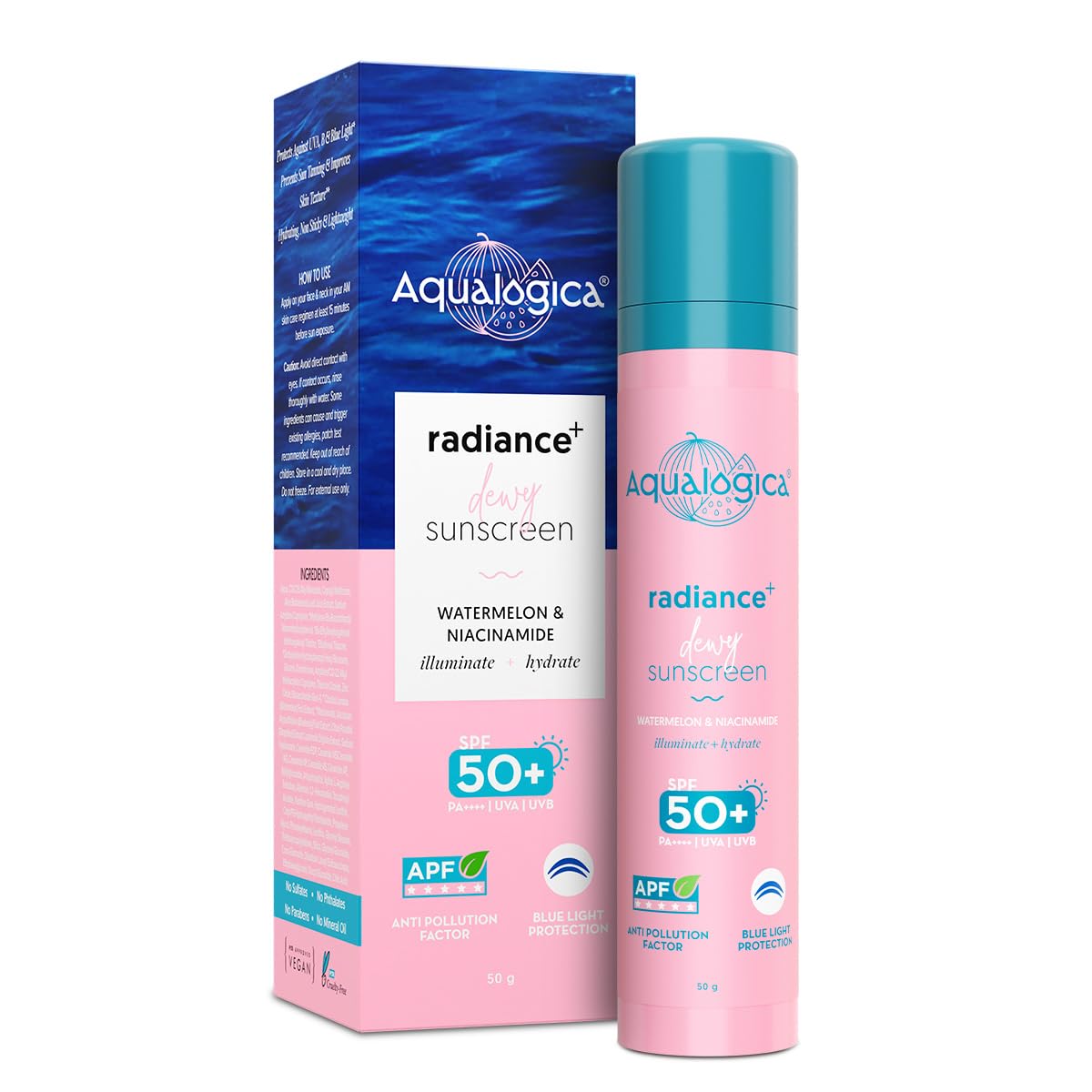
Aqualogica
Aqualogica Radiance+ Dewy Sunscreen
Aqualogica Radiance+ Dewy Sunscreen is non-tinted, built on 4 new-gen + 0 old-gen + 2 mineral filters, and covers UVB, UVA, Pollution…
Read full review →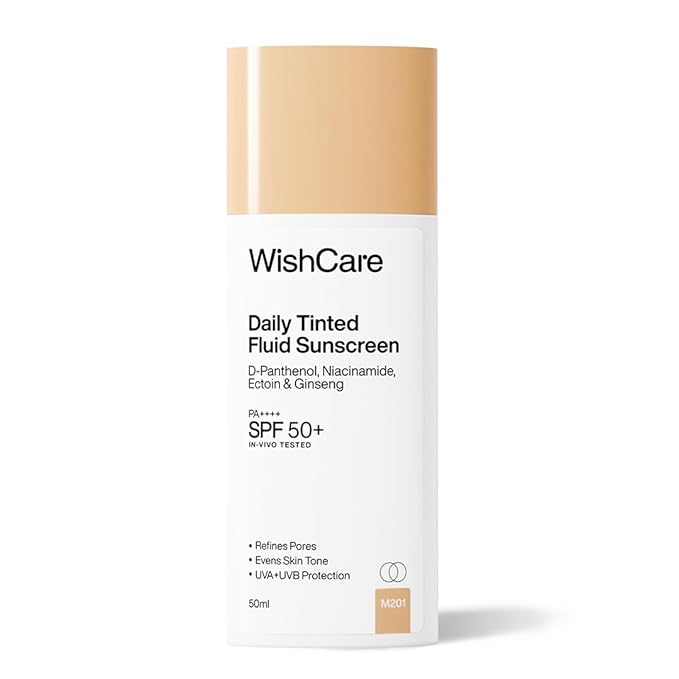
WishCare
WishCare Daily Tinted Fluid Sunscreen
WishCare Daily Tinted Fluid Sunscreen is tinted, built on 3 new-gen + 3 old-gen + 2 mineral filters, and covers UVB, UVA, Blue light,…
Read full review →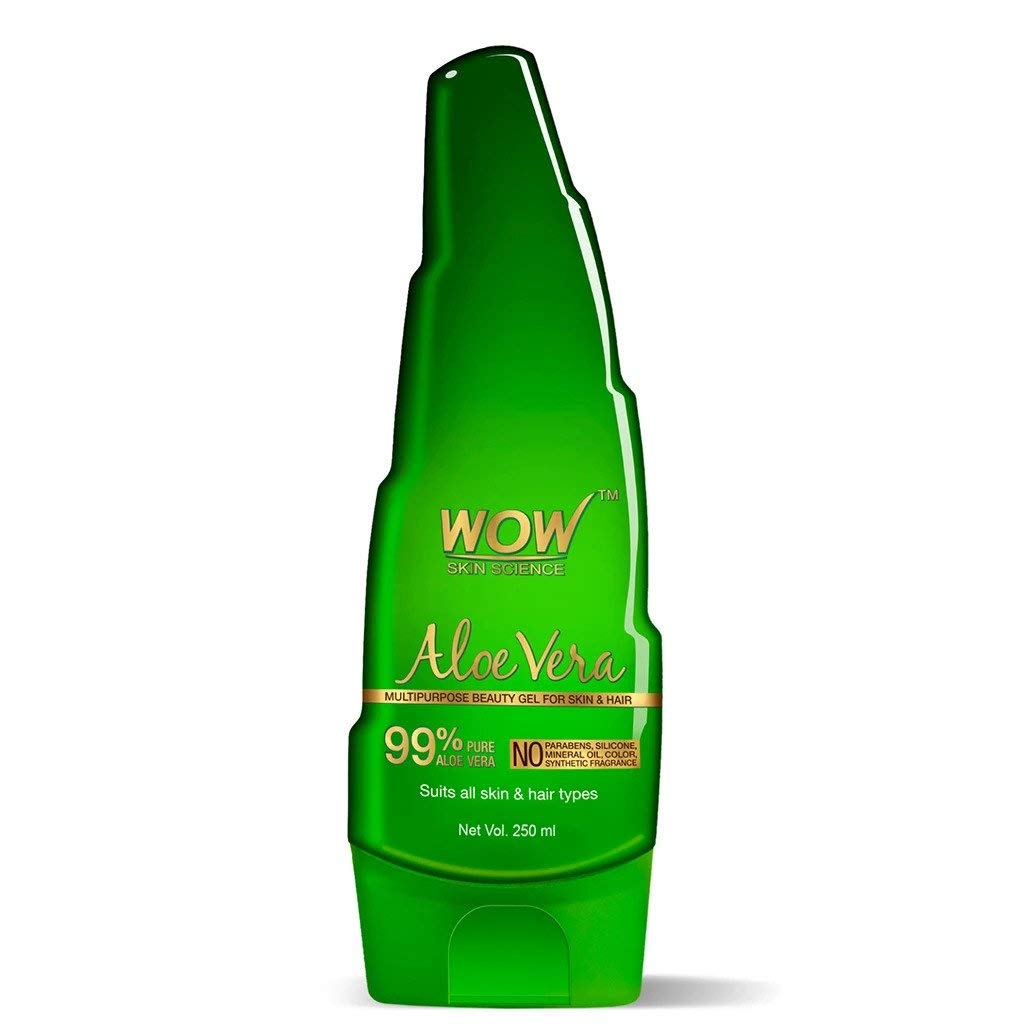
WOW Aloe Vera Gel
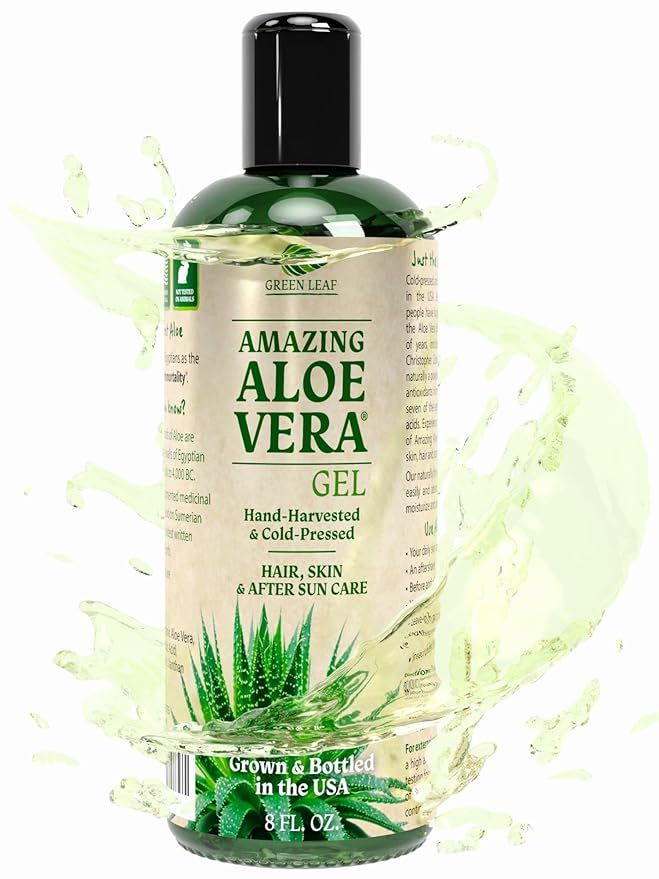
Green Leaf Naturals Aloe Vera Gel
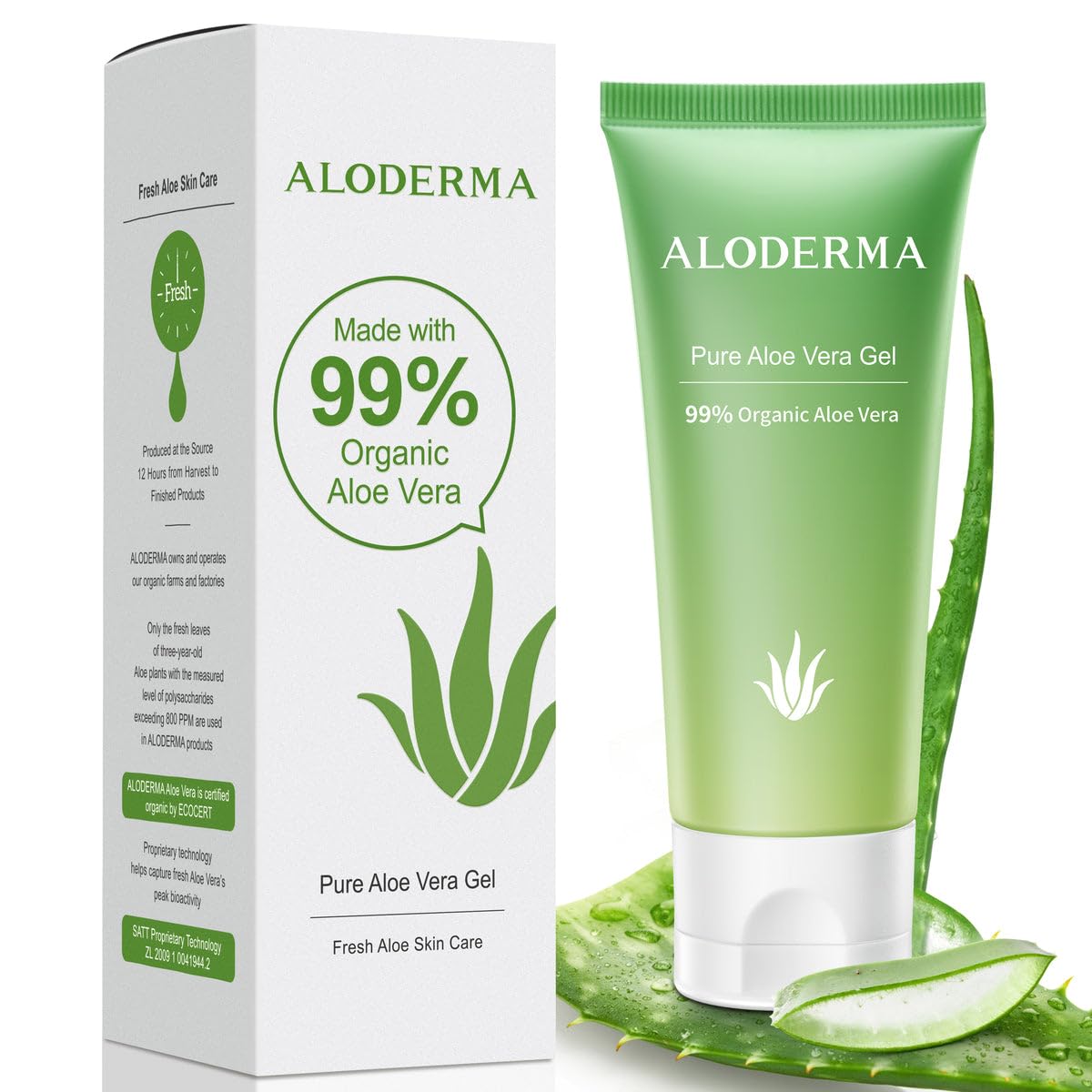
Aloderma 99% Organic Aloe Vera Gel
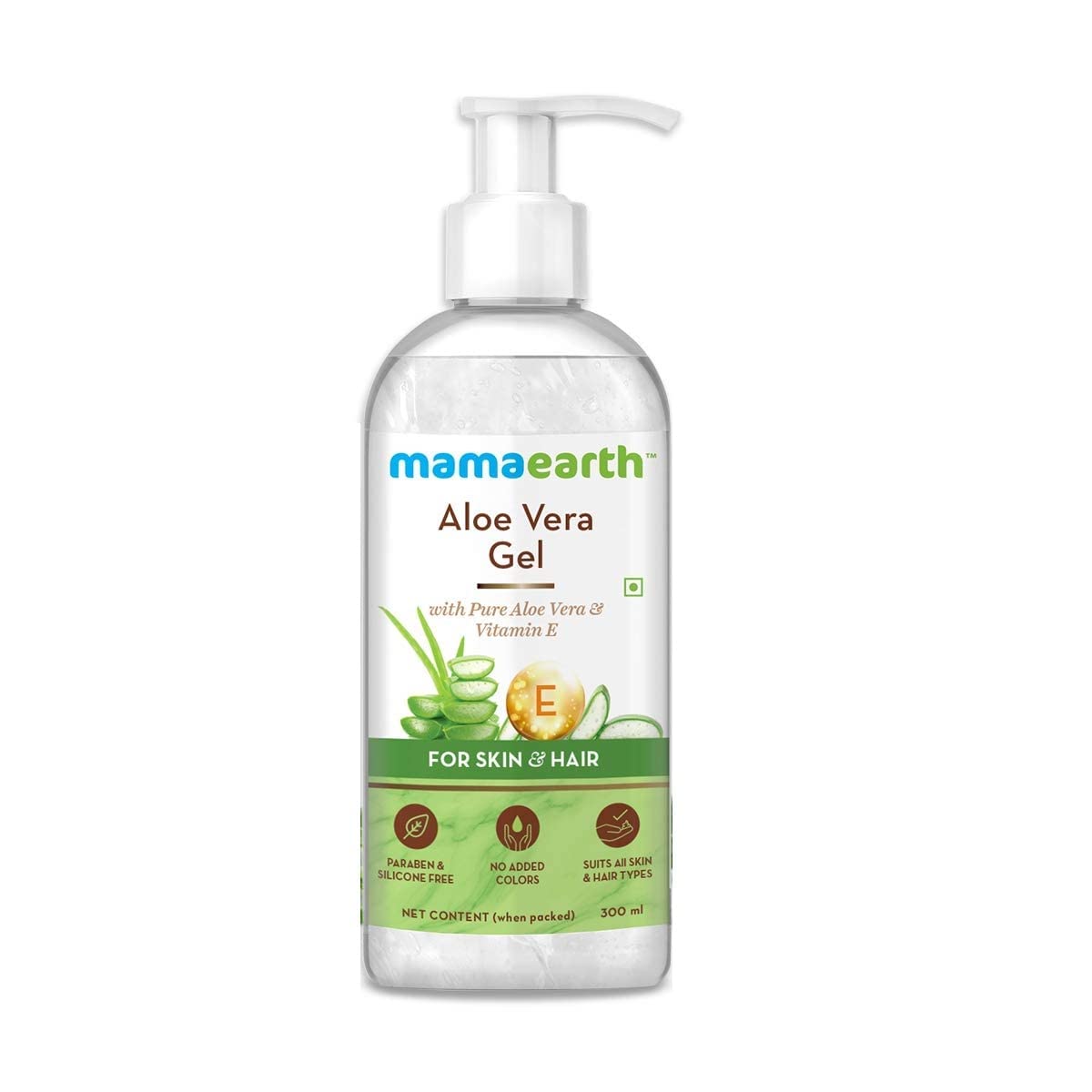
Mamaearth Aloe Vera Gel
Aloe vera remains one of the most trusted and scientifically supported natural ingredients in dermatology. Whether you’re dealing with acne, pigmentation, dullness, or sensitivity, a high-quality aloe vera gel can provide gentle yet effective relief and repair. However, not all aloe vera gels are created equal. Choosing a product with minimal, clean ingredients and a high concentration of pure aloe vera is essential to truly benefit from its healing properties
Not sure which one is right for you?
Answer a few questions and get a full AM and PM routine built for your skin — free, and put together by a dermatologist.