
Keratosis Pilaris
Best Keratosis Pilaris Treatment in India(2026): Dermatologist Guide

No lotion cures keratosis pilaris. It improves, and it comes back if you stop. Here are the best lotions for keratosis pilaris in India: 1. Dry, sensitive or eczema-prone skin, start with urea: La Roche-Posay Lipikar Urea 10% Lotion (premium) or Be Bodywise 10% Urea Body Lotion (affordable, with ceramides). 2. Non-sensitive, use an AHA: FCL AHA Lotion 15, with 15% glycolic acid. 3. Bumps with body acne, use an AHA with a BHA: WishCare AHA BHA Body Lotion, with 10% AHA and 1% salicylic acid. Whichever you choose, start alternate nights and use a sunscreen every morning, because these acids make your skin more sun-sensitive.
Keratosis pilaris (KP) is the rough, bumpy skin that many people get on the backs of their arms and on their thighs. It is also called strawberry skin or chicken skin. The bumps are tiny. They can look skin-coloured, red or brown, and the skin feels like sandpaper or goosebumps.
KP starts when keratin, the protein that makes up the top layer of your skin, blocks the opening of a hair follicle. Each blocked opening becomes a small bump. KP is harmless and usually does not hurt, although it can itch a little. It often runs in families, and it looks worse in dry winter air.
Scrubbing does not remove it, and rubbing harder only makes the skin redder. In one UK survey of 49 people with KP, 92% had it on their arms and 59% on their legs. About 4 in 10 also had it on the face.
How is it treated?
No treatment cures KP. Smooth skin comes from steady care, and the bumps tend to return when you stop. The rule I give every patient is to treat with a lotion and prevent with a body wash.
Treat first. After your shower, use a lotion with an ingredient that softens the plugs, and give it one to three months.
Prevent next. Once your skin is smooth, an exfoliating body wash can help keep the bumps from coming back.
Start with the lotion alone. A lotion and an exfoliating body wash together from day one can be too harsh.
Moisturise, skip the loofah and hard scrubs, and wear sunscreen in the morning.
Watch this video to know now more:
Watch instead
Best Keratosis Pilaris Treatment in India(2026): Dermatologist Guide
Dr Surbhi walks through the same picks on camera — useful if you'd rather be told than read.
▶ Watch on YouTubeLa Roche-Posay Lipikar Urea 10% Lotion
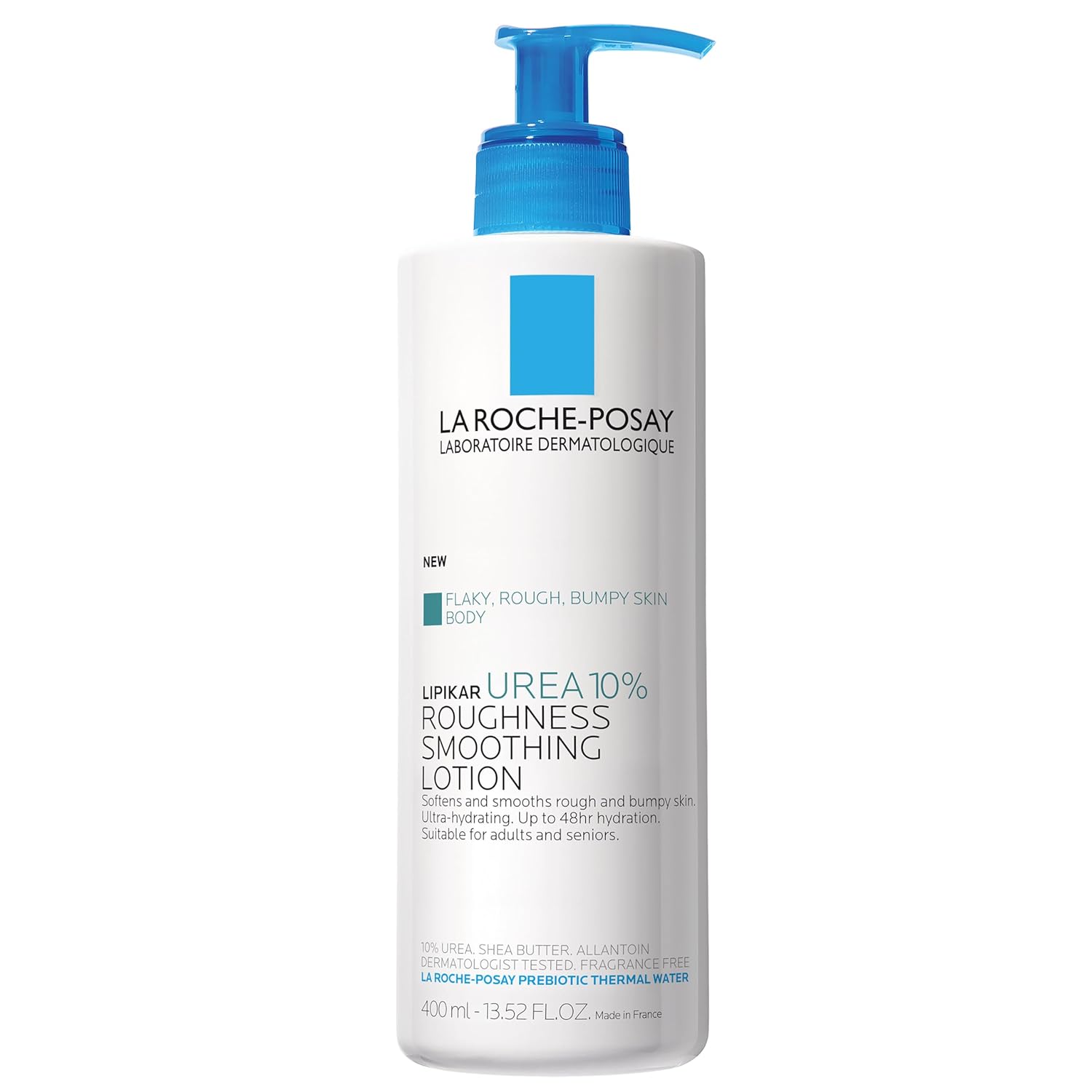
La Roche-Posay Lipikar Urea 10% Lotion
Urea (10%): Softens keratin buildup, exfoliates dead cells, and deeply hydrates rough, bumpy skin.
Shea Butter: Provides rich emollient support and restores skin suppleness.
Allantoin: Soothes irritation and supports the repair of compromised skin.
Glycerin: Draws moisture into the skin, maintaining hydration for up to 48 hours.
Non-greasy and fragrance-free: Suitable for sensitive, dry, or eczema-prone skin.
This formulation helps smooth the appearance of keratosis pilaris over time by addressing both surface roughness and underlying dryness.
Be Bodywise 10% Urea Body Lotion
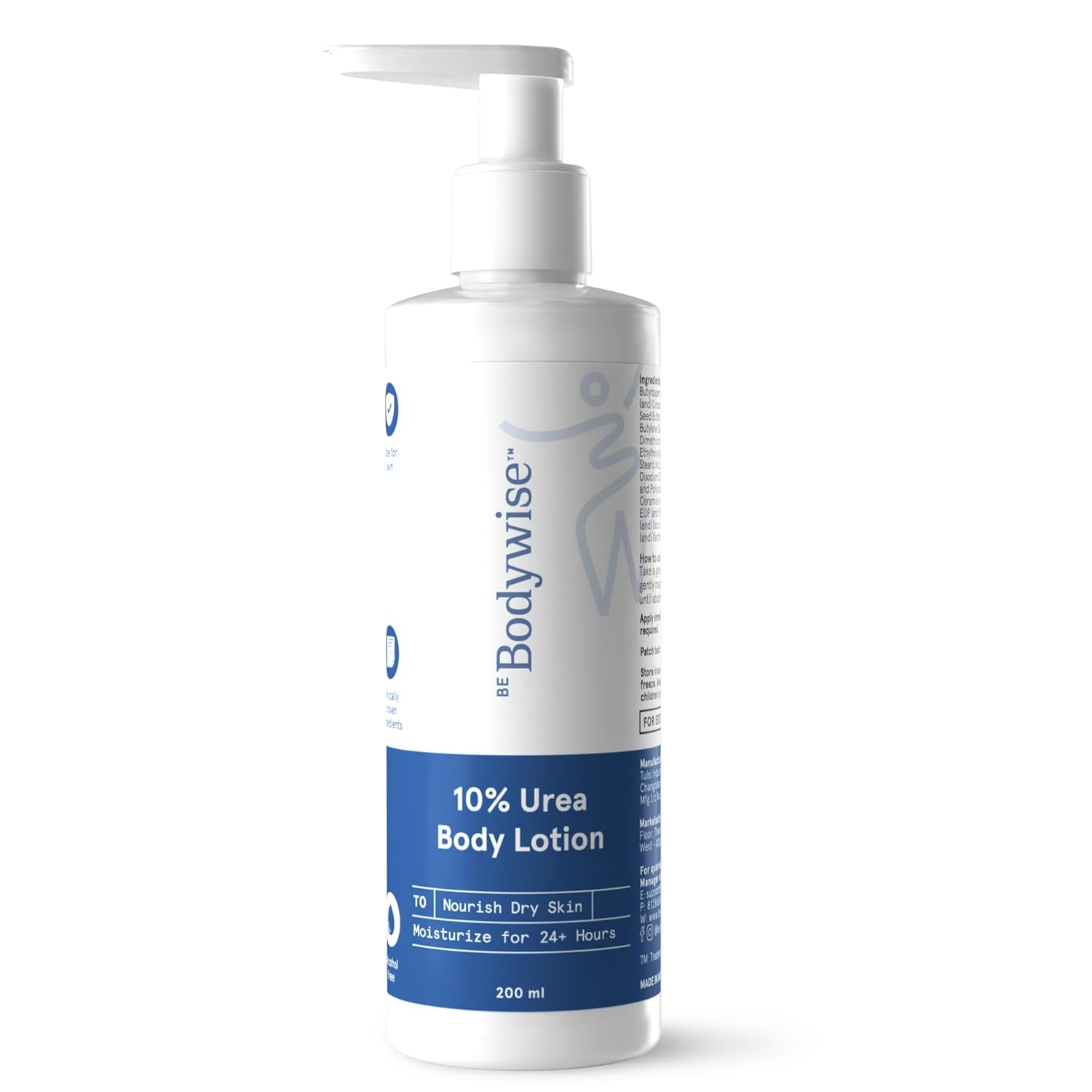
Be Bodywise 10% Urea Body Lotion
Mechanism: Urea is a core Natural Moisturizing Factor (NMF). At a 10% concentration, it acts as a dual-action agent—providing gentle, non-inflammatory keratolytic action to soften stubborn keratin plugs while simultaneously drawing and binding moisture into the stratum corneum.
Clinical Fit: Ideal for dry, sensitive, or eczema-prone skin types that cannot tolerate the stinging or micro-inflammation often triggered by high-strength alpha-hydroxy acids (AHAs).
FCL AHA Lotion 15
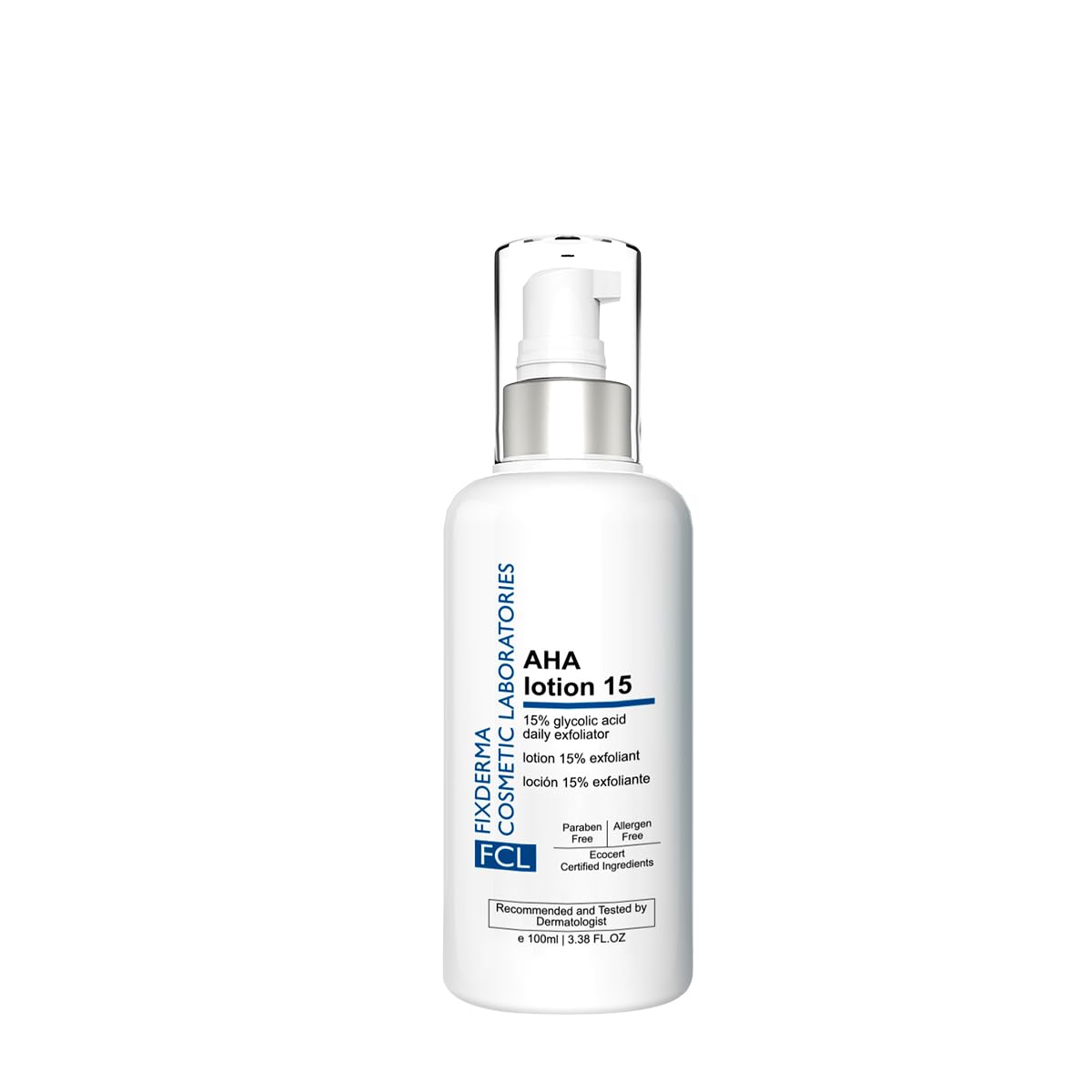
FCL AHA Lotion 15
Key Benefits
Glycolic Acid (15%): Loosens the keratin plugs and dead skin cells that cause rough, bumpy skin. The formula's pH of 3.3–3.5 keeps the acid active.
Multifruit BSC (bilberry, sugar cane, sugar maple, orange and lemon extracts): A natural fruit-acid blend that adds gentle exfoliation.
Milk Protein: Conditions the skin and supports its comfort.
WishCare AHA BHA Body Lotion
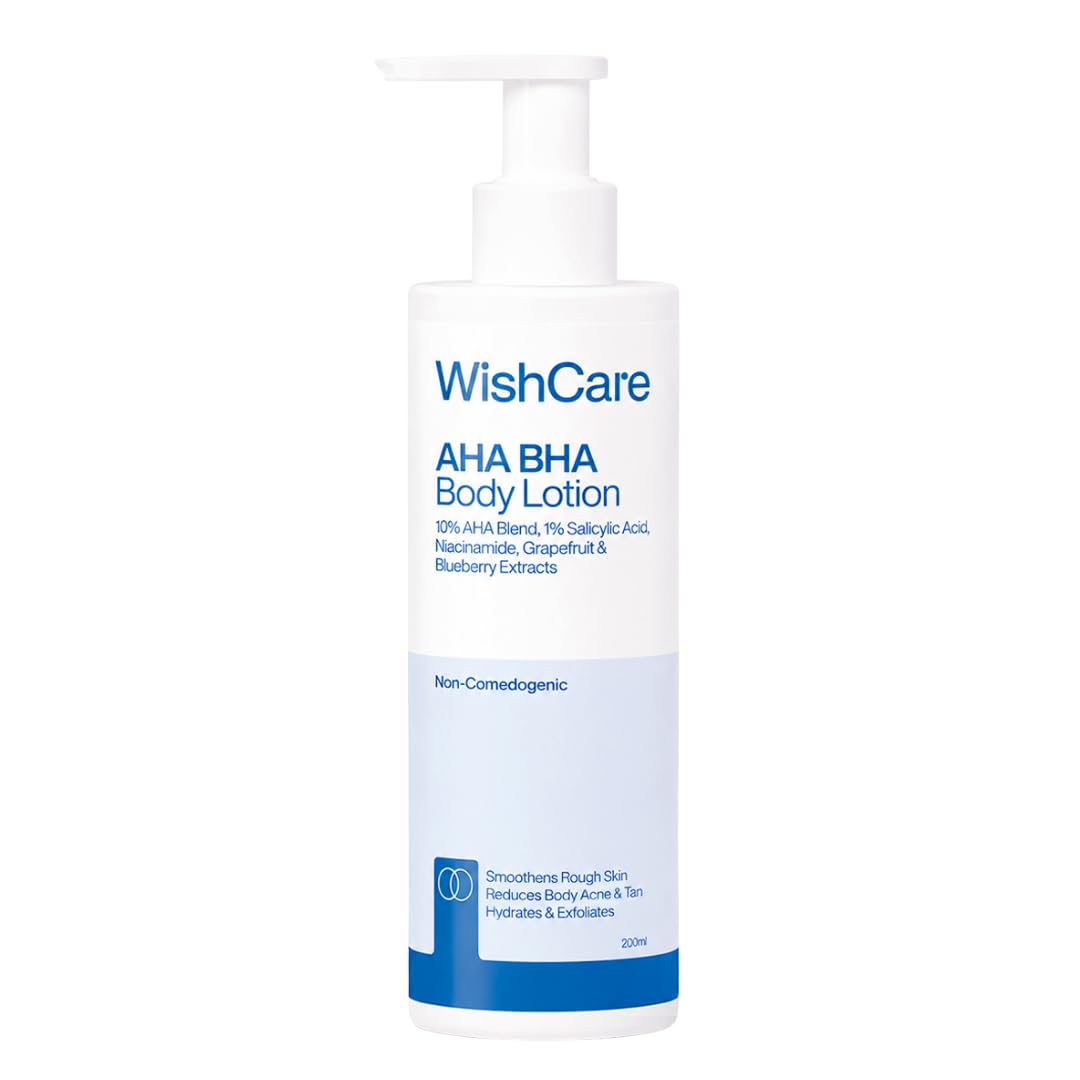
WishCare AHA BHA Body Lotion
Best for For Acne-Prone Body Skin & Stubborn KP
Mechanism: This combination pairs surface exfoliation (AHAs) with deep follicular clearing (Salicylic Acid/BHA). Because BHA is lipophilic (oil-soluble), it penetrates directly into the sebaceous gland and hair follicle to clear out trapped sebum and cellular debris.
Clinical Fit: The optimal choice when a patient presents with a hybrid condition—such as Keratosis Pilaris combined with body acne ("bacne"), chest breakouts, or inflamed, clogged follicles (folliculitis).
NOTE: If you are pregnant or breastfeeding, check with your doctor before use.
How to use your lotion
Apply it on clean, dry skin, mostly on the rough areas.
Use it on alternate nights for the first week. Then use it every night if your skin copes well.
Massage it in until it is absorbed.
Be patient. Results can take one to three months.
Wear sunscreen every morning. Our routines pair each night lotion with SunScoop 5% Niacinamide Daily Moisture Sunscreen Body Lotion SPF 50+ PA++++. Use about a teaspoon for each arm and each leg, put it on 15 minutes before you go out, and reapply every 2 to 3 hours outdoors.
Do not use two exfoliating products on the same area on the same night.
Skip broken, cracked, irritated, freshly shaved or waxed skin.
Stop if the irritation or redness stays. If your skin is sensitive, patch test first.
If you are pregnant or breastfeeding, check with your doctor first, especially for lotions with a BHA.
Best Treatment for Keratosis Pilaris
Most KP lotions use one of the ingredients below. The studies on all of them are small and short, so none is proven. They are what doctors try first. In a survey of dermatologists, lactic acid was the most common first choice, followed by salicylic acid.
Urea
Urea holds water in your skin, so it softens dry, rough patches. In stronger creams it also loosens the plugs. It is gentle, which is why it is the usual first choice for dry, sensitive or eczema-prone skin. The OTC urea lotions have 10% urea. We found only one study of urea for KP, and it used a 20% cream. In 30 adults the skin felt smoother after 1 week and 4 weeks.
Lactic acid
Lactic acid loosens dead skin and also helps your skin hold moisture. In a study of 50 people in Bangkok, a 10% lactic acid cream cut the number of bumps by 66% on average after 3 months. It caused only mild irritation.
Salicylic acid
Salicylic acid dissolves in oil, so it can work inside the pore. That is why it suits bumps that come with body acne. In the same study, a 5% salicylic acid cream cut the bumps by 52% on average. The study does not show that one acid worked better than the other.
Glycolic acid
Glycolic acid is a stronger exfoliant. It has been studied for KP only as a peel done in a clinic, at 50% to 70%. The peel smoothed the bumps over 80 days, but the 9 people checked five years later had lost the benefit. We found no study of a home lotion such as one with 15% glycolic acid.
Moisturising ingredients
Ceramides, glycerin and shea butter soothe dryness. KP goes with dry skin, and doctors recommend moisturising. No study has compared a plain moisturiser with no treatment, so expect it to ease roughness, not to clear the bumps.
Niacinamide and retinol
Both are popular in skincare, but we found no study of either for KP. If lotions do not help, a dermatologist can prescribe stronger creams, such as retinoids.
What the research tells us about keratosis pilaris
How common is it?
Common, though nobody knows exactly. School surveys put it anywhere from about 1% to 16% of children and teenagers, depending on the country and how the researchers counted. It was 1.3% of students in Hong Kong, 4% of children in Romania, 12.5% in Turkey and 16% of teenagers in Israel. A survey of 12,586 children in north India found 1.3%, but that figure counts KP together with similar conditions. We found no reliable figure for adults.
Why do I have it?
Researchers are still working this out. These are the main findings.
Dry skin goes with KP. In a study of 202 teenagers, KP was far more common in those with dry, scaly legs.
A weaker skin barrier plays a part. About 1 in 3 of 20 people with KP (35%) had a change in a gene that helps build the skin's protective layer. That leaves most people with another cause.
Eczema and other very dry skin conditions often come with KP. Studies disagree on how strong the link with eczema is.
Body weight matters for some. In Turkish children, 33% of those with obesity had KP, against 17% of children of normal weight.
Under a magnifier, doctors often see tiny coiled hairs trapped in the blocked openings. In 25 patients in Mumbai, every one had them. The researchers think a trapped hair may irritate the follicle.
Does it run in families?
Often. In a small UK survey, 39% of 49 people with KP had a relative with it, 55% did not, and 6% did not know. Treat 39% as a rough guide, because the survey is small and old. We found no study that settles exactly how KP is passed on, so we cannot tell you the chance that your child will have it.
Will it go away?
It often improves with age, but not always. In the same UK survey of young people, 35% got better as they grew older, on average by about age 16. For 43% it stayed the same, and for 22% it got worse. Eighty percent saw their skin change with the seasons, and for about half of them it was worse in winter and better in summer. That survey covered people up to 25, so it cannot tell us about later adult life.
What else could it be?
Several skin problems look like KP, and the right treatment depends on the right diagnosis. A dermatologist can usually tell by looking at the skin. A magnifier helps, because the coiled hairs are typical of KP.
What it looks like | What it is | How it differs from KP |
Red bumps, sometimes with pus, after shaving | Shaving bumps | Hairs grow back into the skin, especially curly hairs. Anyone who shaves can get them, and they can leave dark marks. |
Sore, red bumps with pus | Infected hair follicles (bacterial folliculitis) | An infection that can turn into boils. It needs a doctor. KP is not an infection. |
Itchy red bumps and pimples | Yeast folliculitis | A yeast overgrowth that is often mistaken for acne. |
Small bumps or pimples | Acne and milia | Both are common look-alikes. A doctor can tell them apart by looking at the skin. |
Scaly bumps on the trunk and limbs, sometimes with crusts | Eczema around the hair follicles | The skin is scaly, and the bumps appear on the trunk as well as the limbs. |
Rough bumps with bleeding gums, tiredness or aches | Poor nutrition (scurvy and similar) | It shows up in people with a very limited diet or a gut problem that stops them absorbing nutrients. |
Red bumps on the cheeks and eyebrows, then scars and lost eyebrow hair | A rare scarring type of KP | It usually starts in childhood or the teens. A dermatologist should see it. |
When to see a dermatologist
See a dermatologist if you notice any of these.
Bumps that are very red, painful, spreading or full of pus
Bumps that started in adult life and have not gone away
A rash that began soon after you started a new medicine
A red, scaly rash that covers a large area
Redness, scarring or hair loss on the face or eyebrows
Bleeding gums, aches or tiredness together with the bumps
Strong itching that is worse at night
No improvement after about three months of steady treatment
How well do treatments work?
Most studies are small, follow people for only a few months and have no comparison group. Lotions with urea, lactic acid or salicylic acid are the usual first step. We cover the studies for each ingredient above.
Clinic treatments are studied more often. Lasers have the most trials, and the 1064 nm Nd:YAG laser ranks highest in reviews.
What about exfoliating body washes?
We found no study of an exfoliating body wash for KP, so we cannot say how well one works. A lab study by a manufacturer found that more than 99% of the acid in a rinse-off product is washed off, so very little reaches the skin.
Why do I need sunscreen?
In a study of 29 people, a 10% glycolic acid lotion used for 4 weeks made the skin burn more easily in the sun. The effect was gone a week after they stopped.
People also ask
A common, harmless skin condition in which keratin blocks hair follicles and causes tiny, rough bumps, usually on the outer arms and thighs. It is also called strawberry skin or chicken skin.
Sources
Dalia Y, Khatib J, Odens H, et al. Review of treatments for pseudofolliculitis barbae. Clin Exp Dermatol. 2023;48(6):591-598. PMID 36840647
Dall'Oglio F, Tedeschi A, Verzì AE, et al. Clinical evidences of urea at medium concentration. Int J Clin Pract. 2020;74 Suppl 187:e13815. PMID 33249708
Dampa E. The Effectiveness of Topical Keratolytics (Alpha Hydroxy Acids/Beta Hydroxy Acids/Urea) in Treating Keratosis Pilaris: A Review of the Literature. Cureus. 2025;17(12):e100507. PMID 41631232
Di Nora A, Finocchiaro MC, Pizzo F, et al. Scurvy, a not obsolete disorder: Clinical report in eight young children and literature review. Open Med (Wars). 2025;20(1):20241086. PMID 41041521
Dogra S, Kumar B. Epidemiology of skin diseases in school children: a study from northern India. Pediatr Dermatol. 2003;20(6):470-473. PMID 14651562
Draelos ZD, Barbieri JS, Tanghetti EA, et al. Malassezia Folliculitis Presentation, Diagnosis, and Treatment: A Review of "Fungal Acne". J Drugs Dermatol. 2026;25(5):427-434. PMID 42081639
Fekete GL, Fekete L, Neagu N, et al. Keratosis pilaris atrophicans faciei: An observational, descriptive, retrospective clinical study. Exp Ther Med. 2021;22(5):1331. PMID 34630685
Fung WK, Lo KK. Prevalence of skin disease among school children and adolescents in a Student Health Service Center in Hong Kong. Pediatr Dermatol. 2000;17(6):440-446. PMID 11123774
Greenzaid J, Nussbaum D, Friedman A. Keratosis Pilaris: Treatment Practices of Board-Certified Dermatologists. J Drugs Dermatol. 2023;22(10):985-989. PMID 37801530
Gruber R, Sugarman JL, Crumrine D, et al. Sebaceous gland, hair shaft, and epidermal barrier abnormalities in keratosis pilaris with and without filaggrin deficiency. Am J Pathol. 2015;185(4):1012-1021. PMID 25660180
Güven M, Anık A, Ünüvar T, et al. Cutaneous manifestations of obesity in Turkish children: A comparative study. Pediatr Dermatol. 2022;39(4):513-519. PMID 35285075
Hwang S, Schwartz RA. Keratosis pilaris: a common follicular hyperkeratosis. Cutis. 2008;82(3):177-180. PMID 18856156
Inanir I, Sahin MT, Gündüz K, et al. Prevalence of skin conditions in primary school children in Turkey: differences based on socioeconomic factors. Pediatr Dermatol. 2002;19(4):307-311. PMID 12220273
Ismail S, Omar SS, Omar SS. Clinical and dermoscopic evaluation of fractional carbon dioxide laser in management of keratosis pilaris in Egyptian type skin. J Cosmet Dermatol. 2020;19(5):1110-1120. PMID 31523919
Kaidbey K, Sutherland B, Bennett P, et al. Topical glycolic acid enhances photodamage by ultraviolet light. Photodermatol Photoimmunol Photomed. 2003;19(1):21-27. PMID 12713551
Kechichian E, Jabbour S, El Hachem L, et al. Light and Laser Treatments for Keratosis Pilaris: A Systematic Review. Dermatol Surg. 2020;46(11):1397-1402. PMID 32804891
Kodali N, Patel VM, Schwartz RA. Keratosis pilaris: an update and approach to management. Ital J Dermatol Venerol. 2023;158(3):217-223. PMID 37166753
Kootiratrakarn T, Kampirapap K, Chunhasewee C. Epidermal permeability barrier in the treatment of keratosis pilaris. Dermatol Res Pract. 2015;2015:205012. PMID 25802513
Lim H, Ayoub R, Richards M, et al. Presentations of Cutaneous Disease in Various Skin Pigmentations: Keratosis Pilaris. HCA Healthc J Med. 2026;7(1):83-92. PMID 41810251
Maghfour J, Ly S, Haidari W, et al. Treatment of keratosis pilaris and its variants: a systematic review. J Dermatolog Treat. 2022;33(3):1231-1242. PMID 32886029
Maitriwong P, Tangkijngamvong N, Asawanonda P. Innovative 1064-nm Nd:YAG Laser Significantly Improves Keratosis Pilaris, A Randomized, Double-Blind, Sham-Irradiation-Controlled Trial. Lasers Surg Med. 2020;52(6):509-514. PMID 31713266
McCormick E, Nussbaum D, Friedman A, et al. Evaluation of a Moisturizing Cream with 20% Urea for Keratosis Pilaris. J Drugs Dermatol. 2024;23(1):1274-1277. PMID 38206153
Okuda M, Donahue DA, Kaufman LE, et al. Negligible penetration of incidental amounts of alpha-hydroxy acid from rinse-off personal care products in human skin using an in vitro static diffusion cell model. Toxicol In Vitro. 2011;25(8):2041-2047. PMID 21871557
Popescu R, Popescu CM, Williams HC, et al. The prevalence of skin conditions in Romanian school children. Br J Dermatol. 1999;140(5):891-896. PMID 10354028
Thomas M, Khopkar US. Keratosis pilaris revisited: is it more than just a follicular keratosis?. Int J Trichology. 2012;4(4):255-258. PMID 23766609
Tian Y, Li XX, Zhang JJ, et al. Clinical outcomes and 5-year follow-up results of keratosis pilaris treated by a high concentration of glycolic acid. World J Clin Cases. 2021;9(18):4681-4689. PMID 34222434
Tomasini C, Michelerio A, Quaglino P. Spiky/keratosis-pilaris-like early follicular mycosis fungoides: A clinicopathologic study of 20 cases with extended follow-up. J Cutan Pathol. 2021;48(9):1124-1132. PMID 33675561
Vachiramon V, Anusaksathien P, Kanokrungsee S, et al. Fractional Carbon Dioxide Laser for Keratosis Pilaris: A Single-Blind, Randomized, Comparative Study. Biomed Res Int. 2016;2016:1928540. PMID 27247936
Yosipovitch G, Mevorah B, Mashiach J, et al. High body mass index, dry scaly leg skin and atopic conditions are highly associated with keratosis pilaris. Dermatology. 2000;201(1):34-36. PMID 10971056
Not sure which one is right for you?
Answer a few questions and get a full AM and PM routine built for your skin — free, and put together by a dermatologist.