Azelaic Acid
6 Best Azelaic Acid Serums for Acne, Dark Marks & Redness: A Dermatologist's Guide
Struggling with pimples, dark marks from old breakouts, or constant redness? One ingredient tackles all three — Azelaic Acid.
It kills acne-causing bacteria, fades dark marks, and calms redness. It's gentle enough for daily use and safe during pregnancy. And unlike most actives, it works beautifully for Indian skin tones, which are more prone to dark marks after every breakout.
But here's the problem: not all azelaic acid serums actually work.
I reviewed 13 Azelaic Acid serums for this guide and found two issues that show up again and again:
❌ TEA (Triethanolamine) in the formula. Azelaic Acid needs an acidic environment (pH 4–5.5) to work. TEA pushes the pH in the wrong direction — essentially cancelling out the active. I found TEA in 5 of the 13 serums I reviewed, including popular bestsellers.
❌ Aqueous base can sting more
Watch my quick overview below, then find your match:
Watch instead
6 Best Azelaic Acid Serums for Acne, Dark Marks & Redness: A Dermatologist's Guide
Dr Surbhi walks through the same picks on camera — useful if you'd rather be told than read.
▶ Watch on YouTube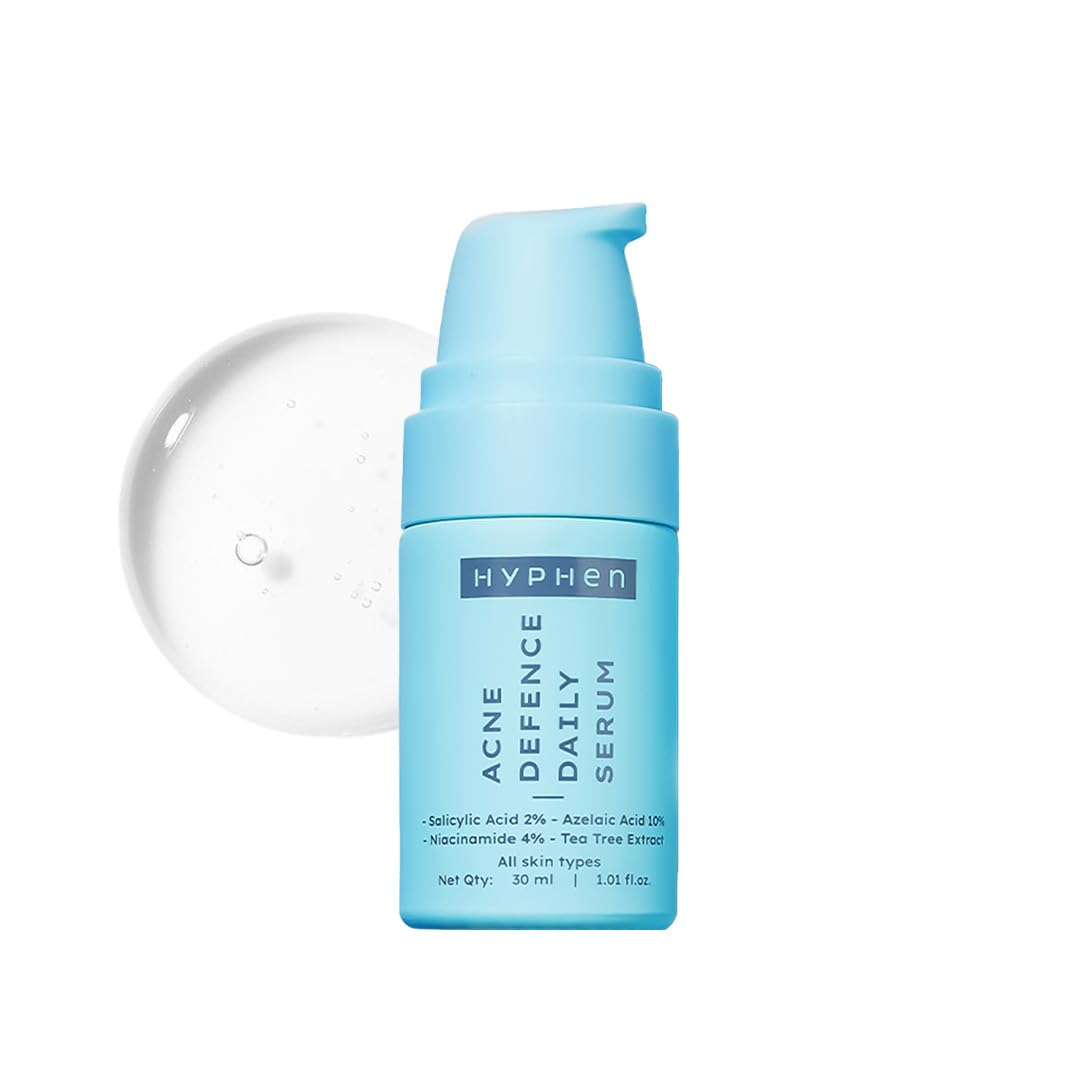
Hyphen Acne Defence Daily Serum
FULL REVIEW →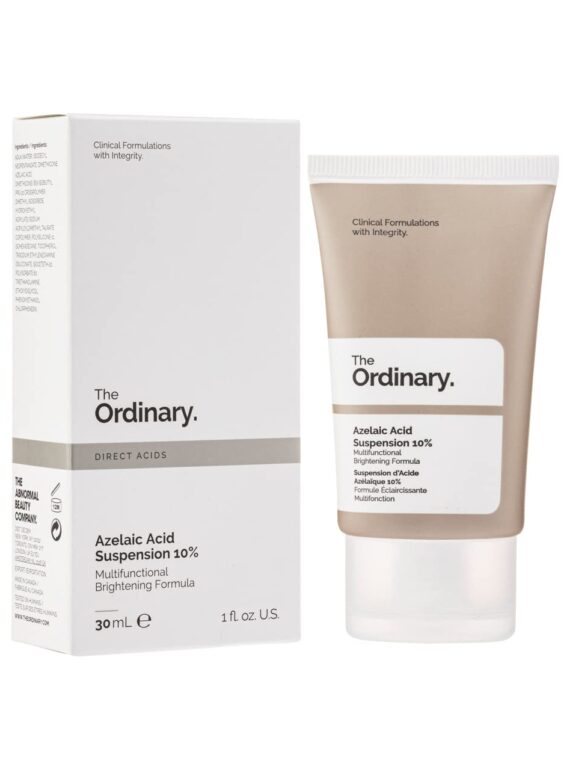
The Ordinary Azelaic Acid Suspension 10%
FULL REVIEW →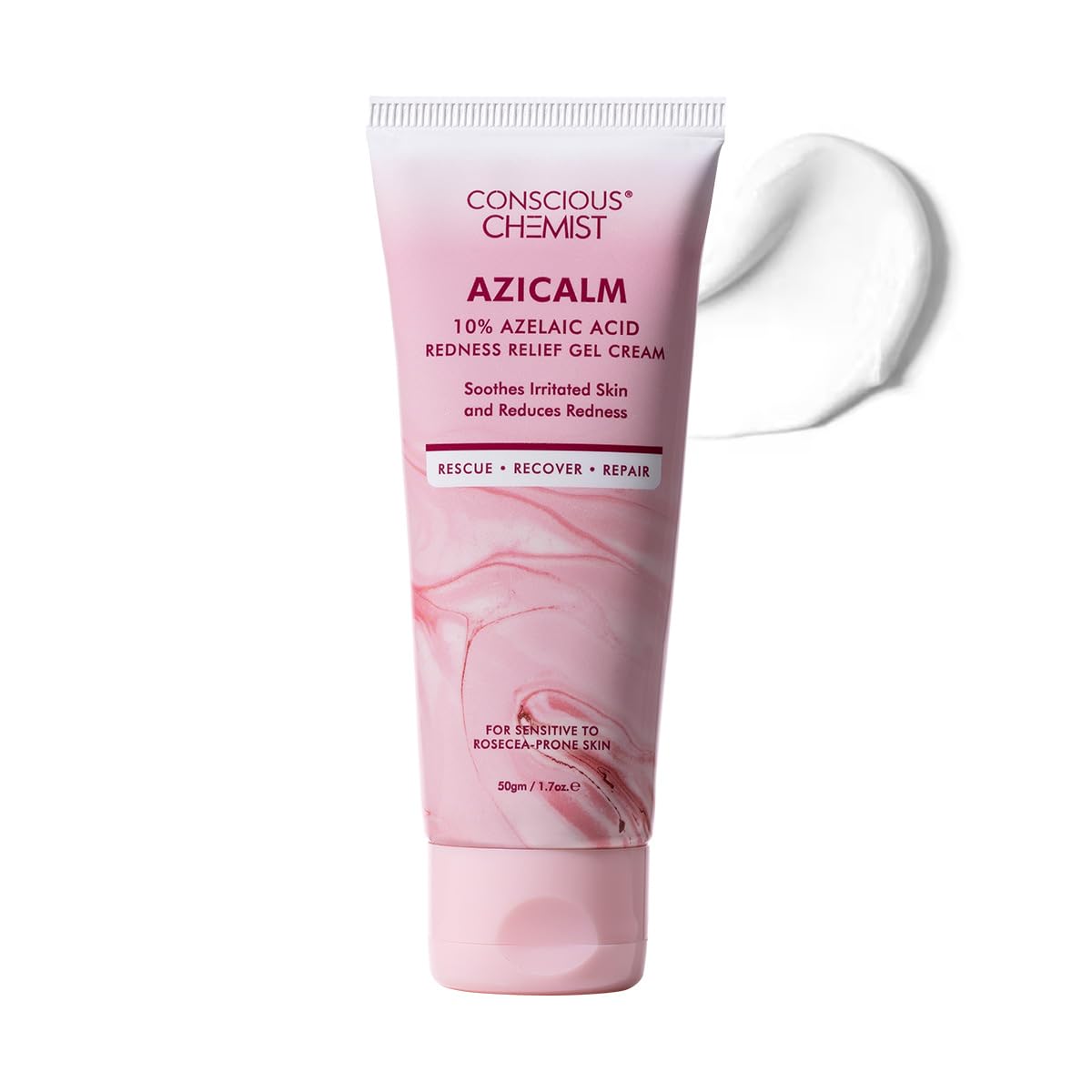
Conscious Chemist® 10% Azelaic Acid Cream
FULL REVIEW →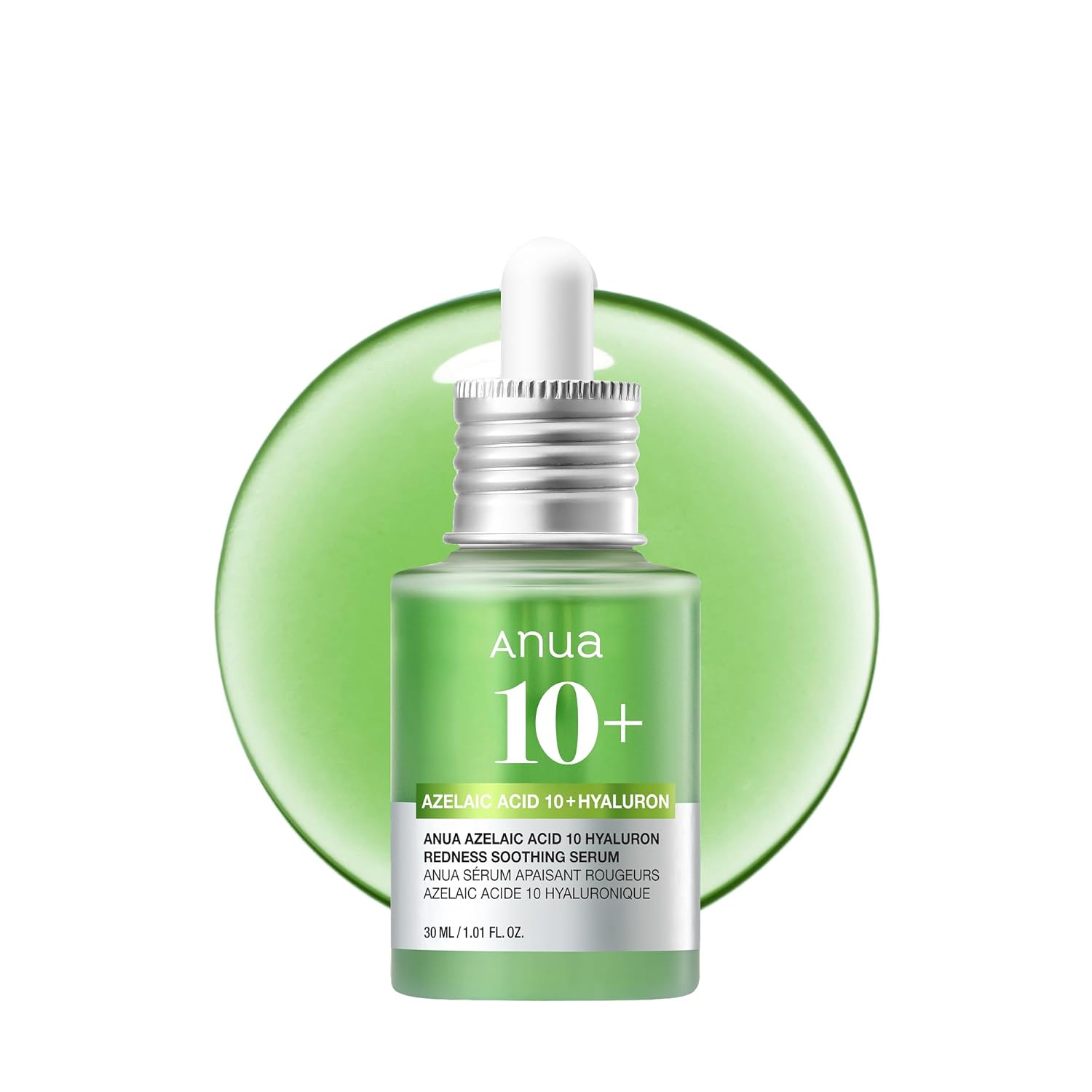
Anua Azelaic Acid 10 Hyaluron Redness Soothing Serum
FULL REVIEW →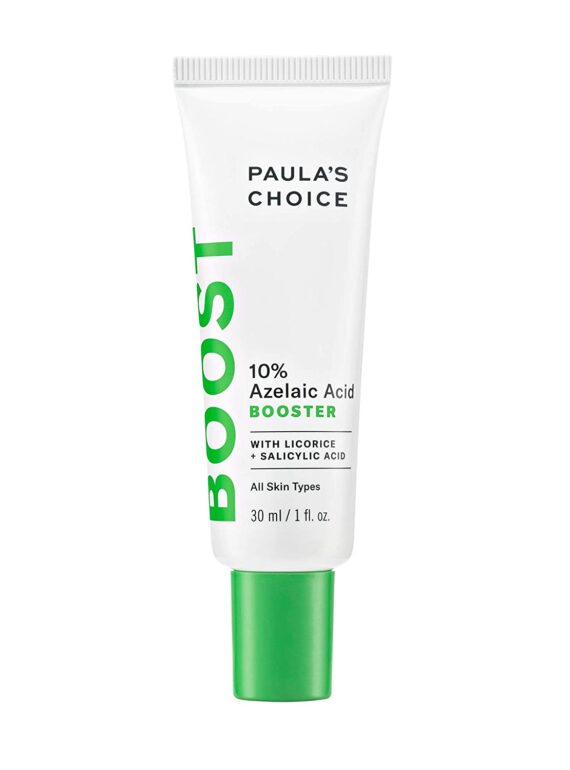
Paula’s Choice BOOST 10% Azelaic Acid Gel
FULL REVIEW →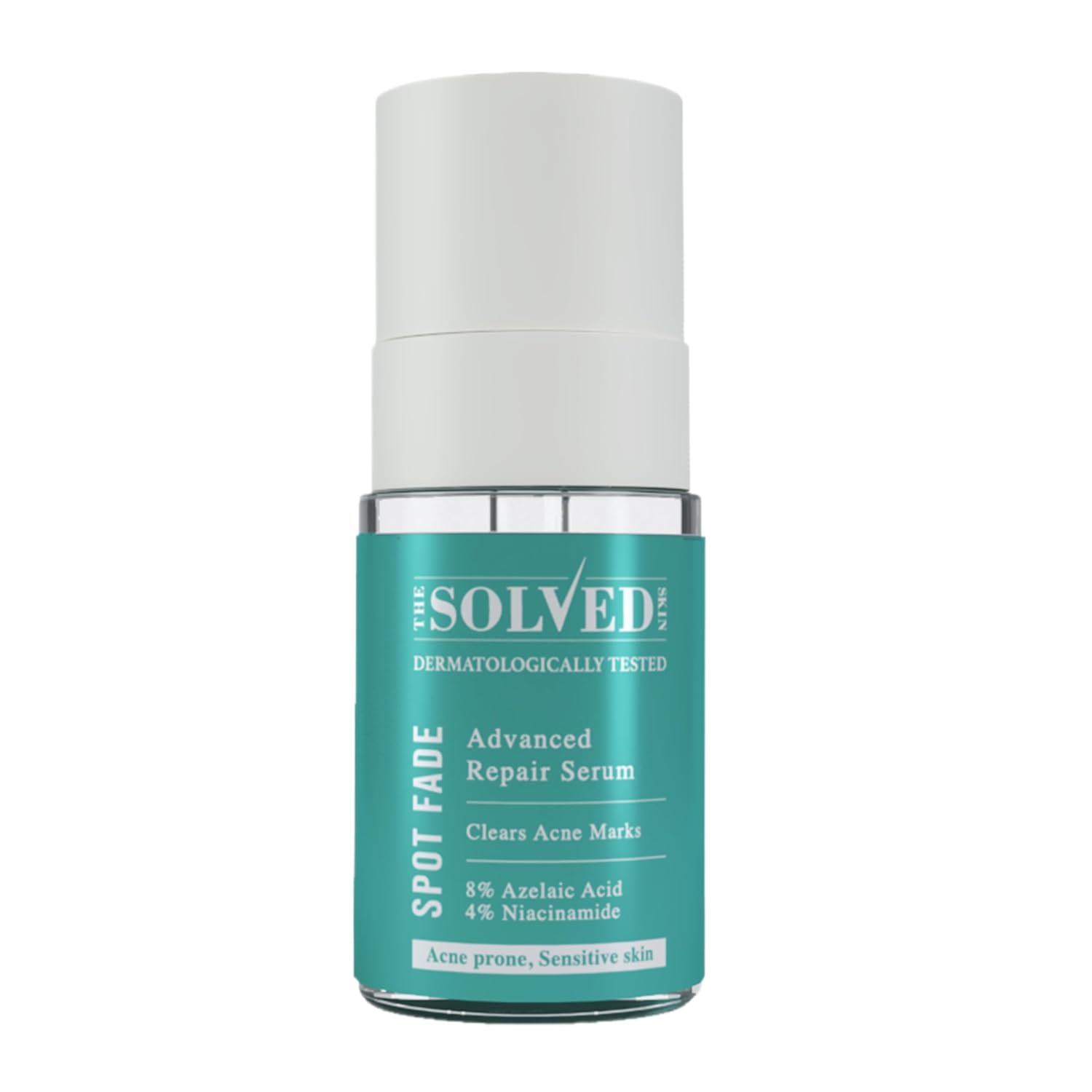
The Solved Skin Spot Fade Advanced Repair Serum
FULL REVIEW →Frequently Asked Questions
1. What does Azelaic Acid actually do for skin?
Three things: kills acne-causing bacteria, blocks the process that makes dark marks, and reduces the redness and flushing of rosacea. Unlike most active ingredients that target only one concern, Azelaic Acid works on all three at once.
2. Is 10% the right concentration for me?
For most adults with active acne or post-acne marks, 10% is effective and well tolerated after a short adjustment period. If your skin is reactive or you are new to acids, start with 5% (like Gabit) and build up. If you find even 10% too harsh, PAD-based serums like Minimalist Azeclair are the gentlest starting point.
3. What is PAD (Azeclair)? Is it the same as Azelaic Acid?
No. Potassium Azeloyl Diglycinate (PAD, sold as "Azeclair") is a water-soluble salt form of azelaic acid — significantly gentler, much less likely to sting, but with far less clinical evidence for acne, pigmentation, and rosacea. If a serum lists "Azeclair" or "Potassium Azeloyl Diglycinate" as the primary active (not "Azelaic Acid"), you are using a milder, less-proven form of the ingredient.
4. Can I use Azelaic Acid with Niacinamide, BHA, or Retinol?
Yes to Niacinamide — it pairs beautifully with AA and enhances brightening results. Yes to BHA (Salicylic Acid or Betaine Salicylate) — excellent for oily, acne-prone skin; some formulas already combine both. For Retinol, use them on alternate nights — not together — as the combined irritation can be significant for most skin types.
5. My AA serum tingles when I apply it. Is that normal?
Yes, mild tingling in the first 1–2 weeks is expected and usually settles. If the tingling is burning or lasts more than a few minutes, rinse off and reduce frequency. High sting risk: serums with aqueous bases + high Propylene Glycol + multiple acids (like Fixderma). Low sting risk: cream-gel bases (like Paula's Choice) and formulas with strong calming support (like Anua or Gabit).
6. Is Azelaic Acid safe during pregnancy?
Free Azelaic Acid at 10–15% is generally considered safe during pregnancy — it is not absorbed systemically in meaningful amounts. However, some combination serums in this review contain ingredients that are NOT pregnancy safe: Salicylic Acid above 2%, Retinol, Retinal, or TEA. Always check the full ingredient list and confirm with your doctor.
7. How long before I see results?
For active pimples and redness: 4–8 weeks of consistent daily use. For post-acne dark marks and PIH: 8–12 weeks minimum. Indian skin (Fitzpatrick IV–VI) tends to develop deeper PIH and may need 3–6 months for significant fading.
8. Can Azelaic Acid cause skin purging?
No. Purging only occurs with ingredients that speed up skin cell turnover (retinoids, exfoliating acids). Azelaic Acid kills bacteria and inhibits pigment enzymes — it does not cause cell turnover and therefore does not cause purging. If you break out after starting an AA serum, check the other ingredients in the formula.
9. Morning or night?
Either — or both. Azelaic Acid is not light-sensitive and does not increase sun sensitivity the way AHAs/BHAs can. That said, pairing it with SPF 30+ in the morning is good practice for anyone targeting dark marks, as unprotected UV exposure will slow pigmentation results significantly.
10. I have rosacea. Is Azelaic Acid right for me?
Yes — Azelaic Acid is one of the few topical ingredients with genuine clinical evidence for rosacea. A 15% prescription gel (Finacea) is an FDA-approved rosacea treatment. OTC 10% serums can meaningfully reduce flushing and redness with consistent use. The gentlest OTC options for rosacea-prone skin are Anua (strong Cica complex + Betaine Salicylate, no fragrance) and Gabit 5% (lowest concentration, microbiome support, completely fragrance-free).
11. Can I use Azelaic Acid every day?
Yes — unlike retinoids or high-strength AHAs, Azelaic Acid is designed for daily use. Start with once-daily application (evening) and move to twice-daily once your skin has adjusted, usually after 2–4 weeks.
12. Why do so many azelaic acid serums contain TEA and why does it matter?
Triethanolamine is widely used in cosmetic formulas as a pH balancer — it is cheap, stable, and effective at raising pH. The problem is that Azelaic Acid works as a free acid only at low pH (4.0–5.5). When TEA raises the formula pH to 7–8, the proportion of active free acid drops significantly. A serum labelled "10% Azelaic Acid" with TEA in the formula may be delivering far less active drug to your skin than the label implies. This is why pH management matters as much as concentration.
I hope this guide helps you find the right azelaic acid serum for your skin.
If you want a complete, personalised routine built around the right azelaic acid serum for your concern, try our Regime Finder — answer a few quick questions and get a full routine backed by my deep-dive ingredient analysis.
Click here to build your personalised routine
It's 100% free!
Not sure which one is right for you?
Answer a few questions and get a full AM and PM routine built for your skin — free, and put together by a dermatologist.