
Eye creams
Types of Dark Circles: How to Find Yours and What Helps

Dark circles are not one condition. The 3 main types are vascular (bluish or purple, from visible blood vessels), Wrinkled (fines lines under eye) and pigmented (brown, from extra melanin). Others come from hollows or shadows under the eye, puffy eyes, fatigue, allergies or rubbing, PDL, deep seated eye, and past skin inflammation. Many people have more than one type, and the right treatment depends on which you have.
Dark circles are among the most common cosmetic concerns in dermatology, yet their root causes can be multifactorial and often misunderstood. A one-size-fits-all approach rarely works.
You need is a personalized solution based on the type of dark circles you have.
What Are Dark Circles?
Dark circles refer to discoloration and/or shadowing under the eyes. They may be accompanied by puffiness or hollowness, and are usually a result of one or more underlying factors such as pigmentation, vascular congestion, or fat and volume loss.
Types of Dark Circles
This article explores the 11 types of dark circles, how to identify them, their underlying causes, and the best ingredients or treatments tailored to each type.
1. Vascular Dark Circles:
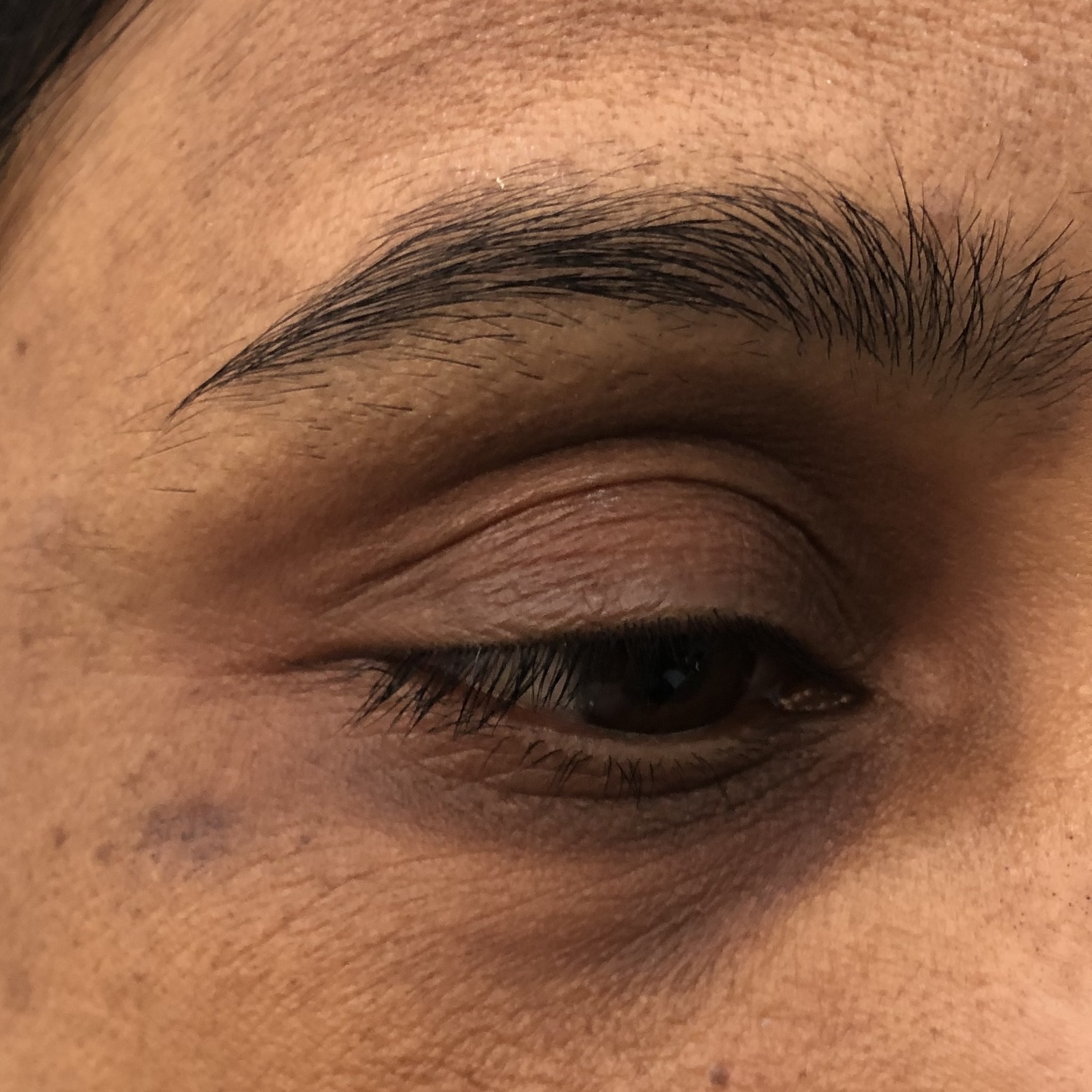
How to Identify: Bluish, purplish, or pinkish discoloration under the eyes that worsens with fatigue, stress, or allergies. The discoloration becomes less visible when the skin is stretched, revealing underlying prominent vessels.
Cause: Visible underlying blood vessels due to thin skin or blood pooling from poor circulation.
EYE CREAMS THAT CAN HELP:
Minimalist Vitamin K + Retinal 0.1% Eye Cream for Vascular and Wrinkled Dark Circles
Neutrogena Visible Repair Retinol Eye Cream for Vascular and Wrinkled Dark Circles
Sesderma K-Vit Anti-Dark Circles Serum for Vascular Dark Circles
The Derma Co. Snail Peptide 96 Eye Cream for Pigmented, Vascular and Wrinkled Dark Circles
The Ordinary Caffeine Solution 5% + EGCG for Pigmented and Vascular Dark Circles
Best Ingredients/Treatment: Opt for caffeine, vitamin K, peptides, and cold compresses. Procedures such as PRP (platelet-rich plasma), mesotherapy, or vascular lasers (e.g., pulsed dye laser) may be beneficial. Here is extensive list of ingredients that have shown some promise:
Ingredient | What it does | Evidence quality |
Caffeine | A genuine vasoconstrictor: narrows the small vessels and reduces fluid pooling. A 2024 clinical trial measured a real reduction in under-eye darkness. | Solid, but the effect is temporary, lasting roughly four to six hours per application, not a lasting structural change. |
Hesperidin Methyl Chalcone | A semi-synthetic citrus-derived compound: reduces capillary permeability and improves vessel tone. | Strong evidence, drawn partly from the same research base used for medical venous-insufficiency treatments. |
Aesculus Hippocastanum (Horse Chestnut) | Its active compound, escin, reduces capillary permeability and supports vessel tone. | Backed by clinical research on venous insufficiency |
Ginkgo Biloba | Supports circulation and has antioxidant activity. | Plausible but the evidence comes mostly from general-circulation research rather than eye-area trials. |
Camphanediol and Pinanediol | Two plant-derived diol compounds shown in published human studies to increase nitric oxide activity and improve microcirculation. | The mechanism is genuinely confirmed in small human trials, but those trials tested general skin microcirculation. |
A patented iron- and pigment-clearing complex (marketed as Haloxyl, containing N-Hydroxysuccinimide and Chrysin) | Proposed to chelate iron released from broken-down blood cells and help clear the yellow-brown pigment left behind as bruised blood degrades. | Evidence comes from the manufacturer's own patent filing and a combination-product study, not an independent peer-reviewed trial of either ingredient alone. |
2. Pigmented Dark Circles:
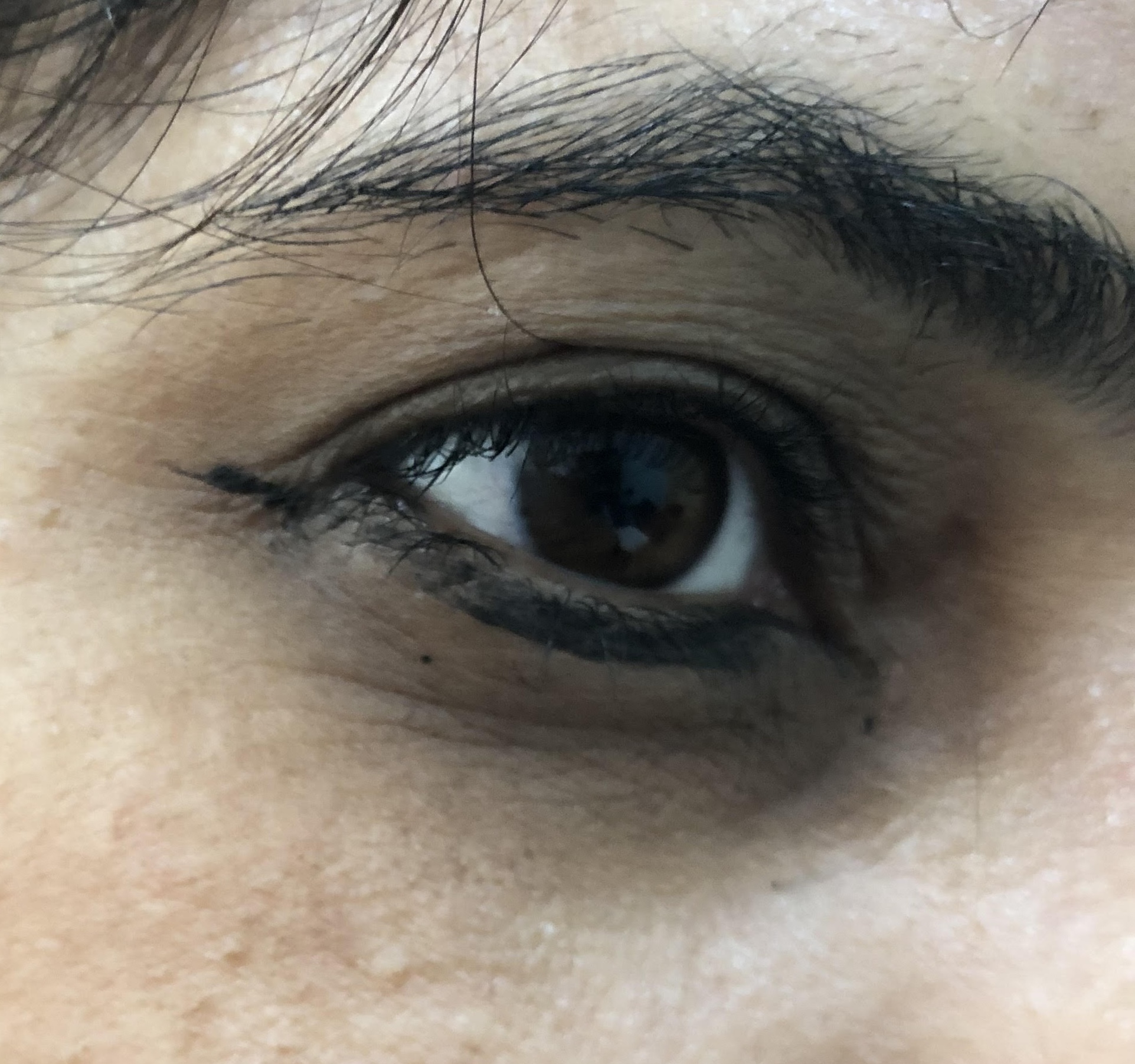
How to Identify: Dark brown to black hue under the eyes, often more prominent in individuals with medium to dark skin tones. They are visible even when the skin is gently stretched, while in vascular dark circles pigment faded to reveal congested vessels.
Cause: Excess melanin production due to genetic predisposition, chronic rubbing, sun exposure, or post-inflammatory hyperpigmentation.
EYE CREAMS THAT CAN HELP:
The Derma Co. Snail Peptide 96 Eye Cream for Pigmented, Vascular and Wrinkled Dark Circles
The Ordinary Caffeine Solution 5% + EGCG for Pigmented and Vascular Dark Circles
Best Ingredients/Treatment: Look for niacinamide, kojic acid, arbutin, licorice extract, vitamin C, and retinoids in eye creams. Chemical peels (e.g., glycolic acid), laser toning, or micro needling with tranexamic acid can also help.
Ingredient | What it does | Evidence quality |
Alpha-Arbutin | Blocks tyrosinase, the enzyme that produces melanin. | Well established, standard tyrosinase-inhibitor evidence. |
Glabridin (Licorice Root Extract) | Also inhibits tyrosinase. | Well established. |
Niacinamide | Soothing, anti-inflammatory | Well established. |
Tranexamic Acid | Blocks the plasmin pathway that activates melanocytes, which is specifically useful for post-inflammatory darkening from rubbing. | One of the best-evidenced ingredients on this list, with a solid published mechanism and clinical track record for pigmentation generally. |
Ascorbyl Tetraisopalmitate | An oil-soluble vitamin C derivative that neutralizes oxidative stress and supports pigment fading without the low pH that makes plain vitamin C sting. | Well documented, standard vitamin C derivative evidence. |
EGCG (Epigallocatechin Gallate, from green tea) | An antioxidant that helps neutralize the reactive oxygen species that contribute to pigment formation. | Well established. |
3. Wrinkles and Fine Lines in Under-Eye Skin:
Cause: Wrinkles and fine lines can cast a shadow and give a darker appearance to the under-eye skin.
EYE CREAMS THAT CAN HELP:
Haruharu Wonder Bakuchiol Eye Cream for Wrinkled Dark Circles
Minimalist Vitamin K + Retinal 0.1% Eye Cream for Vascular and Wrinkled Dark Circles
Neutrogena Visible Repair Retinol Eye Cream for Vascular and Wrinkled Dark Circles
Sesderma Retiage Eye Contour Gel for Vascular and Wrinkled Dark Circles
The Derma Co. Snail Peptide 96 Eye Cream for Pigmented, Vascular and Wrinkled Dark Circles
Solution: Guard your under-eye area with sport oversized sunglasses to shield from UV rays or use sunscreen. Given below in list of ingredient that might be helpful. In short, Peptide or retinol-based eye creams might work for fine lines, and Botox injections are recommended for crow’s feet.
Ingredient | What it does | Evidence quality |
Adenosine | Stimulates the skin's own collagen production. | Strong evidence: a randomised trial in 126 women showed measurable improvement, and it is recognised as an anti-wrinkle active by Korea's medicines regulator at a 0.04% concentration. |
Palmitoyl Tripeptides (such as Matrixyl) | Signal fibroblasts to produce more collagen. | The laboratory collagen-stimulation data is real; the specific improvement percentages often quoted come mostly from the manufacturer's own literature rather than independent journals. |
Hydroxypinacolone Retinoate (HPR) or encapsulated retinol | A gentler retinoid ester that speeds cell turnover to smooth fine lines, without the harsher irritation of plain retinol. | Genuinely supported by human data on periorbital skin specifically, including patch-test evidence showing less irritation than standard retinol. |
Coenzyme Q10 | Protects the skin's energy-producing cells from oxidative stress, which otherwise accelerates collagen breakdown. | Solid laboratory evidence and some supporting human skin data. |
Other types
4. Puffy Eyes or Eye Bags:
Cause: Puffy eyes typically result from water retention at a younger age or fat protrusion in later years. If your eye bags fluctuate over time, water retention is likely the root cause.
Appearance: You’ll notice a bulge under-eye area.
Solution: Treatment for eye bags due to fat is often surgical. But for those cause dark circles dues to water mention might benefit from following:
Ingredient | What it does | Evidence quality |
Acetyl Tetrapeptide-5 | Marketed as Eyeseryl; proposed to improve micro-lymphatic drainage and clear pooled fluid. | The supporting evidence is a manufacturer-sponsored study in a small group of people, not an independent trial. |
Dipeptide-2 | A component of the Eyeliss complex, proposed to work similarly on lymphatic drainage. | The supporting evidence is a manufacturer-sponsored study in a small group of people, not an independent trial. |
Chenopodium Quinoa Seed Extract | Proposed to reduce localized fat-pad swelling by limiting new fat cell formation. | A supplier-run 28-day study reported a meaningful reduction in under-eye puffiness, but this has not been independently replicated. |
Palmitoyl Tetrapeptide-7 | Reduces the inflammatory signal IL-6 in laboratory cell studies, which may calm the low-grade inflammation behind some puffiness. | The cell-level evidence is real and published, not just a supplier claim, but there is no human periorbital trial specifically. |
5. Depression in the Under-Eye Area:
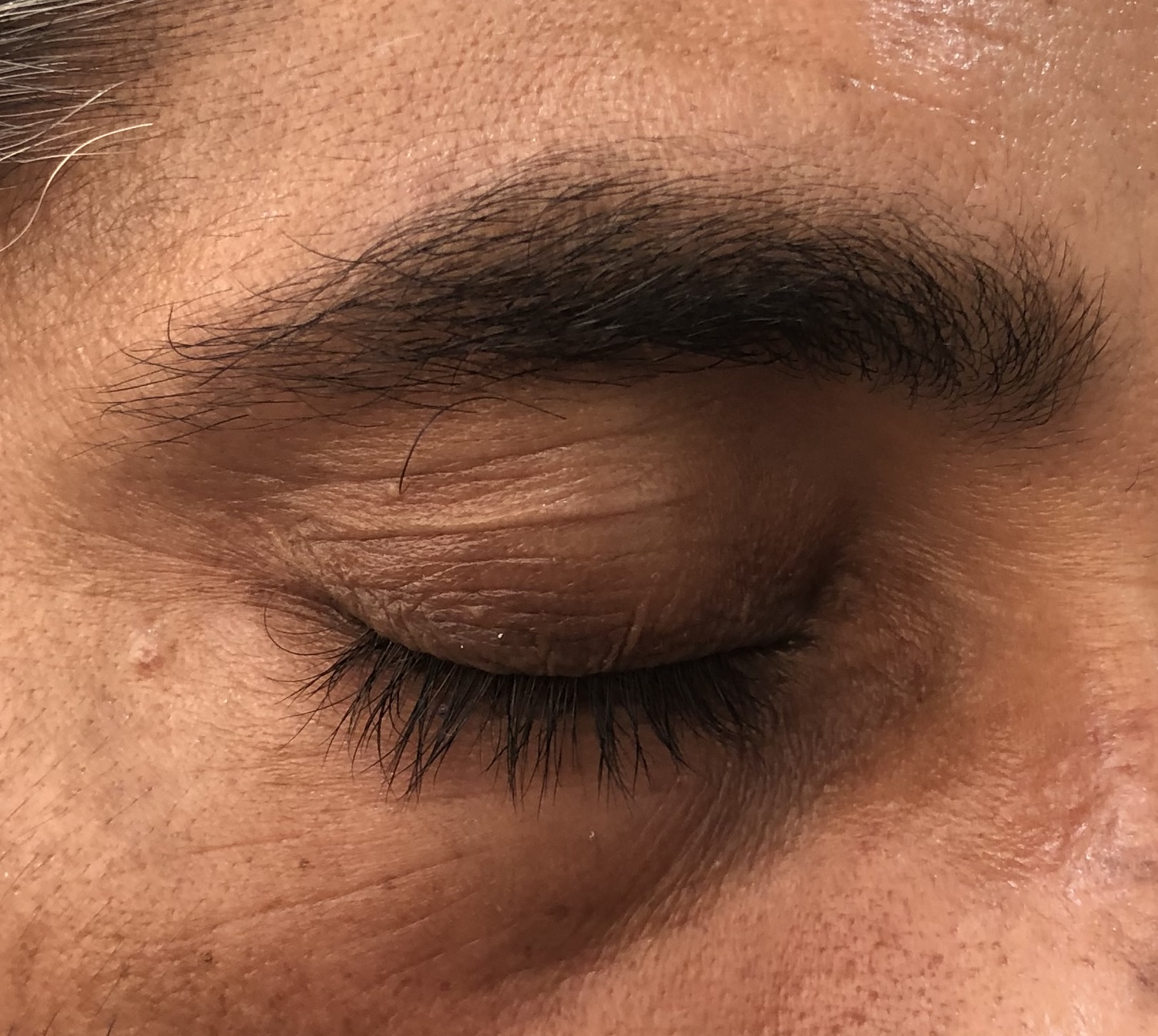
Cause: Depression in the under-eye area is a common occurrence with age, usually due to sagging cheeks. This can also be referred to as tear trough deformity. However, if you encounter a trough below your eye at a young age, it’s termed as Arcus deformity.
Appearance: A noticeable trough beneath the eye; these dark circles vanish when you stretch the under-eye skin.
Solution: Troughs reside at deeper levels, making eye creams ineffective. Hyaluronic acid fillers in the tear trough area are the treatment of choice. Supportive creams with peptides and collagen-boosters can help improve skin quality.
6. Dark Circles Involving Cheek and Forehead:
Cause: Dark circles that stretch to the adjacent cheeks and forehead often stem from hereditary conditions like Pigment Demarcation Line and Dermal Melanocytosis.
Appearance: These dark circles are typically brown, bluish, or blackish and extend to the adjacent areas, characterized by sharp, straight borders.
Solution: LASERS may offer potential solutions for this category of dark circles.
7. Deep-Seated Eyes:
Cause: Deep-set eyes are a distinctive case where the bone beneath the eyebrow casts a shadow in the under-eye area.
Appearance: Dark circles due to shadow vanish when you look upward.
Solution: Regrettably, in such instances, there’s not much that can be done except rocking fashionable zero-powered spectacles
8. Fatigue-Induced Dark Circles
How to Identify:
Temporary dark circles that appear after poor sleep or stress and improve with rest.
Cause: Poor lymphatic drainage, stress-related vasodilation, and dehydration.
Best Ingredients/Treatment: Caffeine, green tea extract, vitamin C, and niacinamide. Cold compresses and adequate hydration can also be effective.
9. Allergic or Rubbing-Induced Dark Circles
How to Identify: Darkening worsens with itching, rubbing, or allergy symptoms like sneezing. Known as “allergic shiners.”
Cause: Chronic eye rubbing and inflammation due to allergies or atopic dermatitis.
Best Ingredients/Treatment: Use anti-inflammatory ingredients like allantoin, niacinamide, and azelaic acid. Treat underlying allergies with antihistamines and avoid rubbing. Barrier repair creams with ceramides are recommended.
10 . Post-Inflammatory Hyperpigmentation
How to Identify: Brown discoloration following eczema, dermatitis, or irritation around the eyes.
Cause: Melanin overproduction triggered by skin inflammation or injury.
Best Ingredients/Treatment: Hydroquinone (under supervision), azelaic acid, licorice extract, kojic acid, and tranexamic acid. Avoid irritants and always use sunscreen.
11. Multifactorial:
Cause: Most dark circles are complex and might encompass multiple types listed above.
Solution: Your dermatologist is your best ally in unraveling this mystery, examining your unique case, and determining the most suitable solution.
How to Choose the Right Eye Cream for Dark Circles
The choice of eye cream depends of type of dark circle you have:
Type of dark circle | Main mechanism | What to look for |
1. Vascular | Vascular | Caffeine, hesperidin methyl chalcone, horse chestnut |
2. Pigmented | Pigmented | Niacinamide, Vitamin C, Arbutin, Kojic Acid, Retinoids (gentle strength), Licorice extract |
3. Wrinkles and fine lines | Structural | HPR or encapsulated retinol, peptides |
4. Puffy eyes and eye bags | Edematous | Peptide complexes, caffeine |
5. Under-eye hollow (tear trough) | Structural | Adenosine, peptides; fillers for deeper hollows |
6. Cheek and forehead involvement | Pigmented (hereditary, deeper pigment) | Needs a dermatologist; lasers may help |
7. Deep-set eyes | Structural (bone shadow) | No cream changes the bone shape |
8. Fatigue-induced | Vascular, often with puffiness | Caffeine, sleep, hydration |
9. Allergic or rubbing-induced | Pigmented (post-inflammatory) | Tranexamic acid, alpha-arbutin; treat the allergy and stop rubbing |
10. Post-inflammatory hyperpigmentation | Pigmented | Tranexamic acid, alpha-arbutin, daily sun protection |
11. Multifactorial | Mixed | A multi-mechanism formula; ask a dermatologist |
Selection Tips:
Use fragrance-free, non-comedogenic, and ophthalmologist-tested products.
Lightweight gel textures for oily or sensitive skin; richer creams for mature or dry skin.
Airless pumps or tubes to avoid contamination and preserve active ingredients.
Layer with broad-spectrum sunscreen in the daytime.Conclusion: Personalized Treatment Is Key
Dermatological Procedures for Dark Circles
Procedure | Best For | Action |
Chemical Peels | Pigmented circles | Exfoliates and brightens skin |
Laser Therapy | Pigmented & vascular circles | Targets melanin and blood vessels |
Dermal Fillers | Structural shadows | Fills hollows, reduces shadows |
PRP Therapy | All types, especially dull texture | Rejuvenates and stimulates collagen |
Microneedling | Mixed circles, fine lines | Improves tone and tightness |
Carboxytherapy | Vascular dark circles | Enhances oxygenation and circulation |
Lifestyle Modifications
Sleep 7–8 hours and manage screen exposure.
Reduce allergens and avoid rubbing the eyes.
Eat a Vitamin C, E, and iron-rich diet.
Stay hydrated and cut down on salt.
Wear UV-protective sunglasses and sunscreen.
Use cold compresses or eye masks to reduce puffiness.
Frequently asked questions
It depends on the type. Vascular improvement from caffeine can be visible within an hour but fades; pigment-focused actives typically need 8 to 12 weeks of consistent use; structural actives (retinoids, peptides, adenosine) also take 8 to 12 weeks or longer, since they depend on new collagen formation.
Conclusion
Dark circles are not one problem, so one cream rarely fixes all of them. Find your dominant type first, match the ingredient to it, and give pigment and collagen-based actives at least 8 to 12 weeks.
Not sure where to start? Try our Regime Finder Tool → for a complete, personalised routine.
Related reading:
References
Freitag FM, Cestari TF. What causes dark circles under the eyes? J Cosmet Dermatol. 2007;6(3):211-215. https://doi.org/10.1111/j.1473-2165.2007.00324.x
Sarkar R, et al. Periorbital hyperpigmentation: a comprehensive review. J Clin Aesthet Dermatol. 2016;9(1):49-55. https://pmc.ncbi.nlm.nih.gov/articles/PMC4756872/
Medical & Editorial Disclaimer. This guide is educational content, not individualized medical advice, diagnosis or treatment for any reader. It reflects a precautionary framework applied to publicly available ingredient technical literature, patent filings, and published clinical studies. Where a claim rests on a supplier-sponsored study or a patent filing rather than independent peer review, this is stated explicitly rather than presented as settled fact. This content does not replace individualized consultation with a dermatologist, particularly for persistent or severe dark circles. Always verify the current ingredient list against the product label, since formulations change without notice.